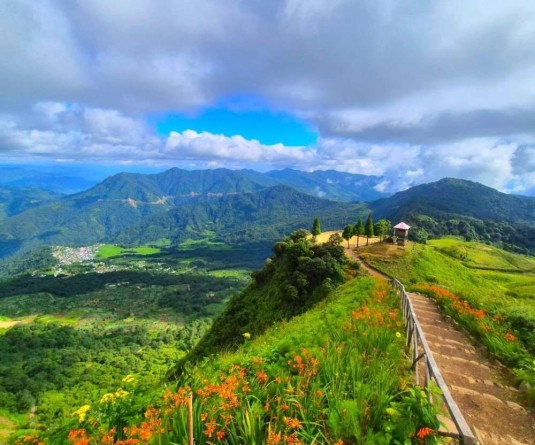
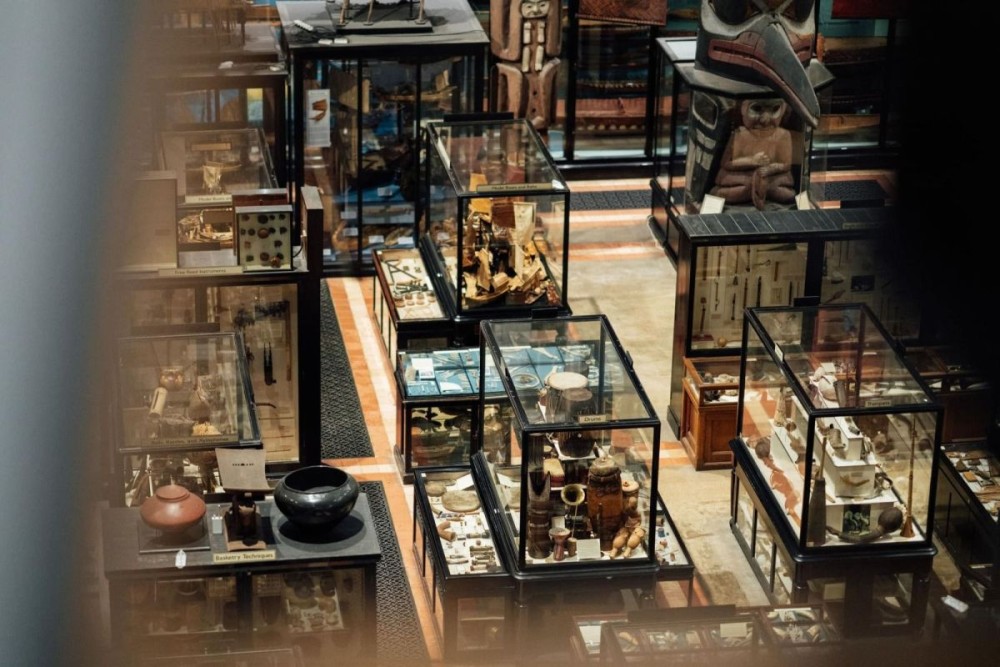
The University of Oxford, UK has formally agreed to repatriate 39 sets of human remains belonging to the Naga people. (Photo Courtesy: Pitt Rivers Museum media)
Morung Express News
Dimapur | September 5
After six years of negotiation, the University of Oxford, UK has formally agreed to repatriate 39 sets of human remains belonging to the Naga people.
The decision, made by the university’s governing council on July 13, clears the way for the remains, long held in Oxford’s Pitt Rivers Museum, UK to be returned to Nagaland. The council declined to release one additional set of remains, citing insufficient evidence that it was of Naga origin.
“We hope we can now commence the work — together with the Forum for Naga Reconciliation, the Naga Tribe Hohos, and with the support of the Recover, Restore and Decolonise team — towards the bringing home of the Naga ancestors to their homeland,” Prof Laura Van Broekhoven, Director Pitt Rivers Museum, University of Oxford, wrote in a letter to the Rev Dr Wati Aier, convener of the Forum for Naga Reconciliation (FNR).
The push to repatriate the Naga remains began in 2020, when Dr Van Broekhoven approached the FNR to help coordinate the return. The forum subsequently established a research initiative, Recover Restore and Decolonise (RRaD), led by two Naga academics, Dolly Kikon, based in the United States, and Arkotong Longkumer, based in Britain, along with a network of volunteer researchers.
The group has spent years working with tribal leaders, church congregations, students and community elders across Nagaland to build support for the effort.
“The response has been overwhelming and demonstrates the need to understand, embrace and live our history, while building a shared future that leads to healing and unity amongst the Naga people,” said a statement jointly issued by Naga Tribe Hohos and FNR-RRaD during a press conference on September 5 in Dimapur.
In June 2025, the museum invited a delegation of Naga tribal leaders and elders, along with members of the FNR- RRaD to Oxford to see and bear witness to the remains for the first time.
Between June 9 and 13, the delegation held a series of consultations and discussions with museum staff, culminating on June 13 in a joint statement known as the "Naga Oxford Declaration on Repatriation."
In that declaration, the delegation said it was grateful to the ancestors for “silently proclaiming the stories of our people” and apologized for the decades it had taken to begin the process of reclaiming them.
The statement described the repatriation as central to “the healing and wholeness of the Naga people” and said the delegation was acting “in a united voice, with mutual respect and consensus,” with plans to establish a Naga monument of healing and peace to mark the ancestors’ return. The declaration also extended solidarity to other indigenous peoples pursuing similar repatriation efforts.
A delegation led by the Naga Tribe Hohos, together with the FNR - RRaD, will now travel to the museum to formally claim and return the remains to Nagaland.
“Repatriation, for the Nagas, is not simply about bones and ancestral remains finding their way back to the land, but importantly it is about memory returning to where it belongs,” the joint statement said. They said the effort as one step in a longer pursuit of “justice and dignity” and framed it within a wider global movement among indigenous communities seeking the return of ancestral remains and cultural artifacts from Western institutions, “in the hope of bringing decolonisation, justice, and peace, not just for ourselves, but for humanity.”
“Through this journey, we bring back the light of our ancestors that was dimmed but never extinguished,” the statement said. “We pray that it will only grow stronger with every passing generation.”