El Marcado in Mokokchung, converted to a café in 1994, now run by Maniraj Rai.
.jpg)
Lenni Samuel
Dimapur | June 10
From a modest beer bar in Mokokchung during the 1980s to a pioneering manual brew bar in the early 2000s putting Nagaland’s specialty coffee on the map, the state’s café industry has undergone a quiet yet significant transformation. This evolution has been shaped by personal conviction, economic hardship, a global pandemic and a rapidly changing consumer culture.
.webp)
Today, cafés in Nagaland are more than food and drink outlets. They serve as social and creative hubs, especially for a young, globalizing generation. With cafés and cloud kitchens now spread across towns and districts, a distinct café culture has taken root.
Still, for every success, several ventures close within years of opening. According to proprietors of four established food and beverage businesses across Dimapur, Kohima and Mokokchung, the sector, long underreported, has matured into one of Northeast India’s most competitive markets.
The beginnings
In Mokokchung, El Marcado originally opened as a beer bar in 1989, before Nagaland became a “dry state.” The space was converted into a café in 1994. Maniraj Rai, who runs the café, notes the place has no particular specialty but has endured through loyal clients and three decades of institutional memory.
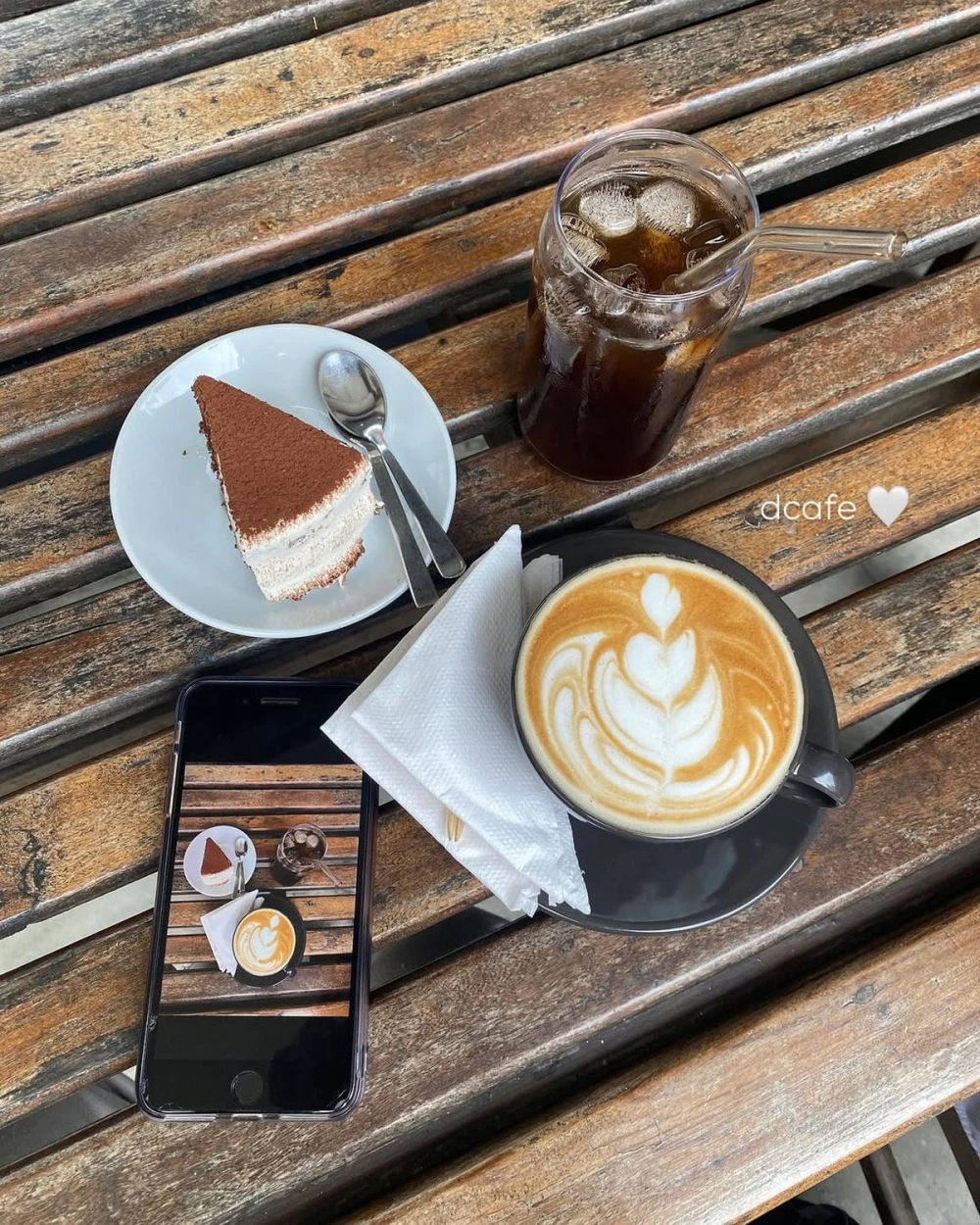
In Kohima, D/CAFÉ was founded in 2016 as one of the state’s first true coffee shops. Proprietor Dili Khekho, who returned from Shillong in 2012, found no café culture in Nagaland, only tea or instant coffee. Charging Rs 80 for a cup was a major challenge, but he persisted to create “a culture of friendship with a good cup of coffee” for young people.
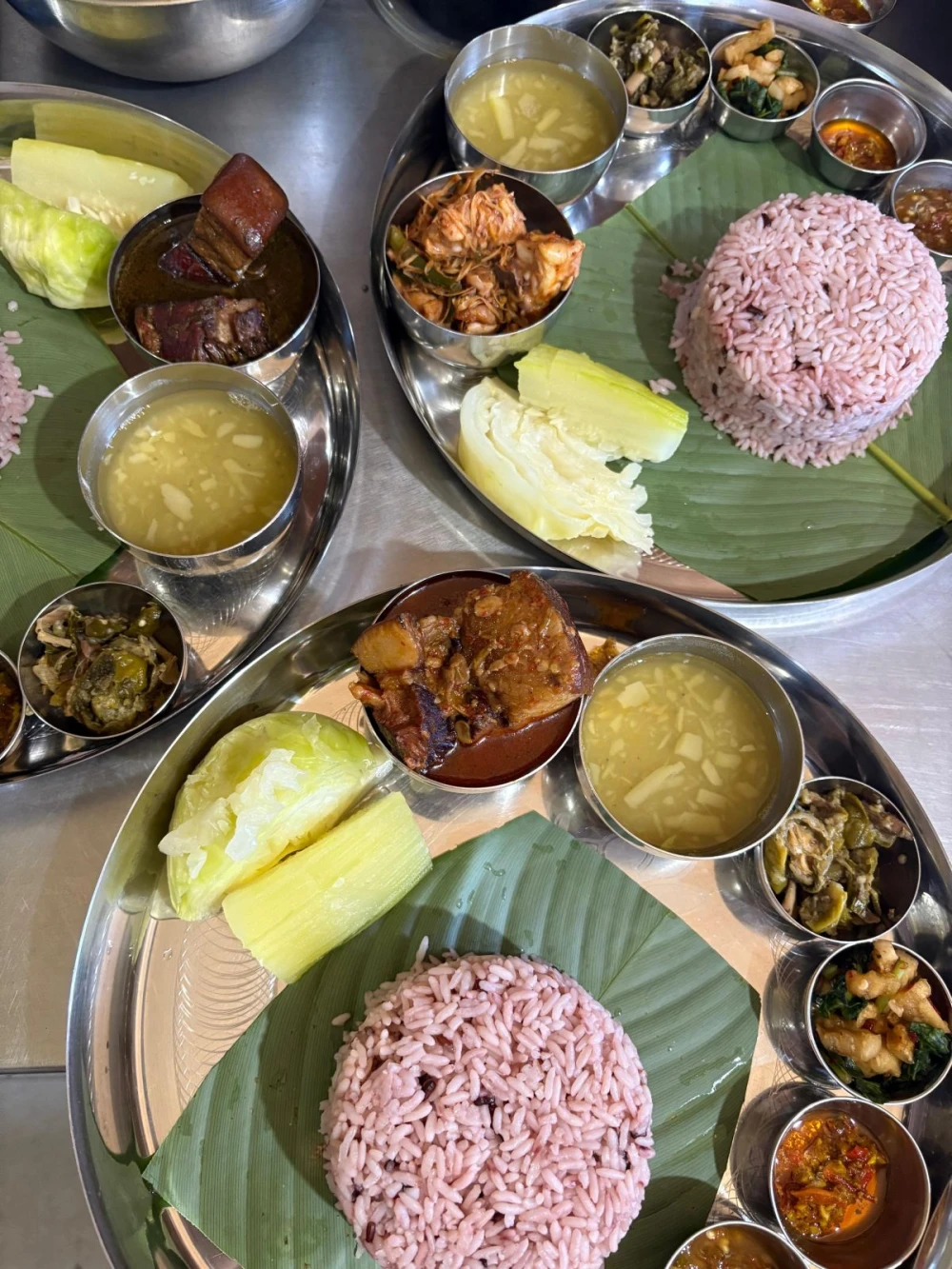
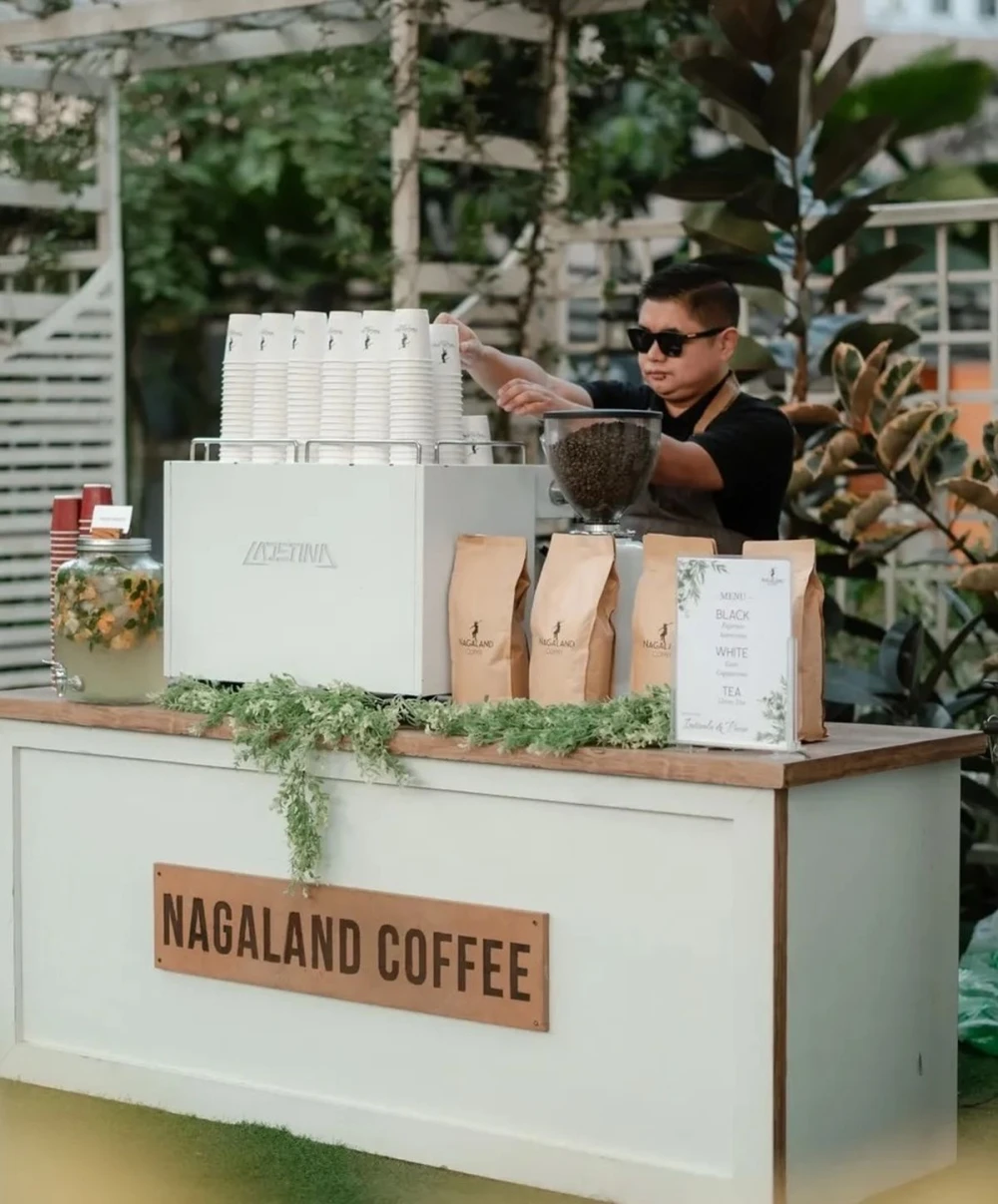
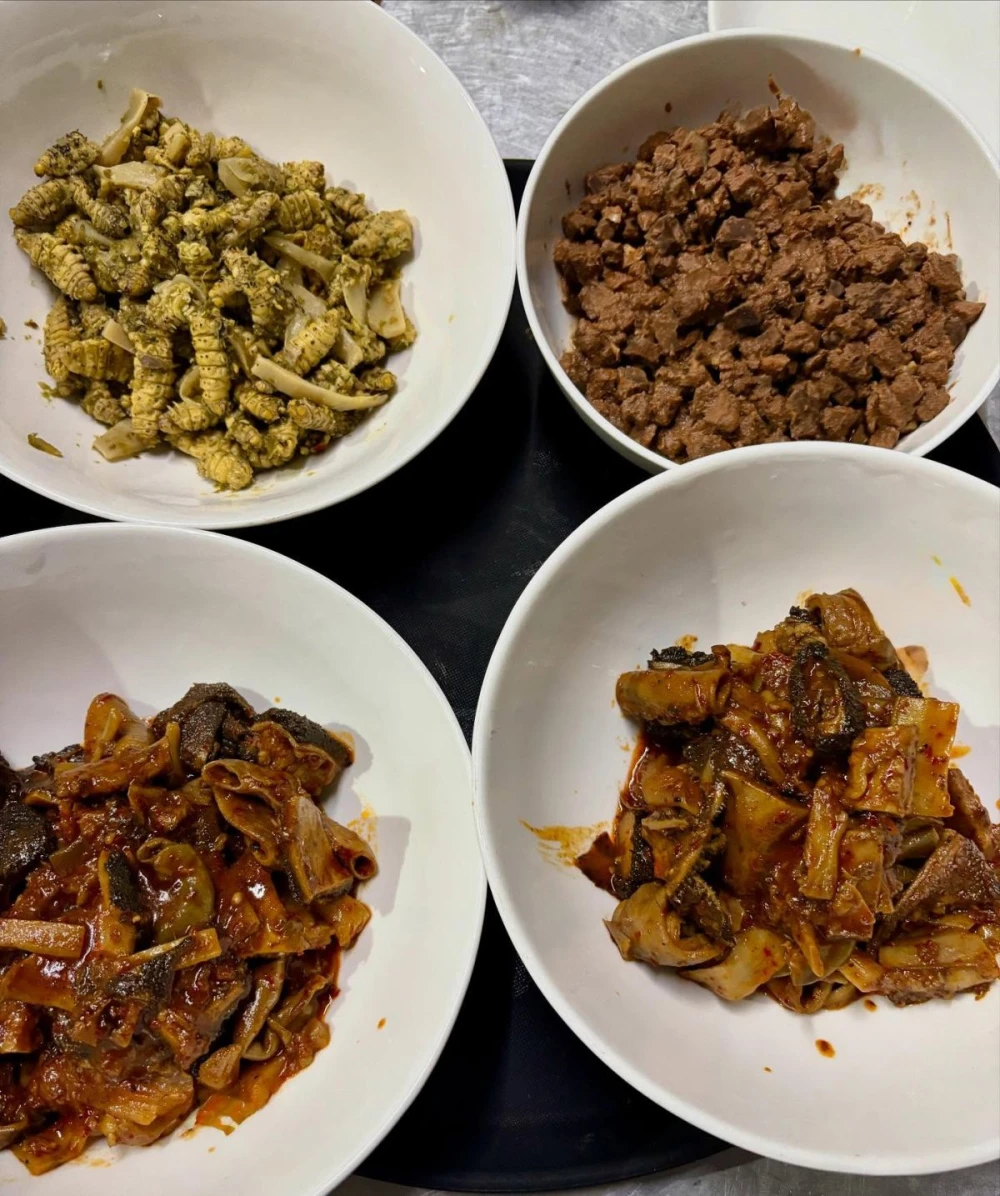
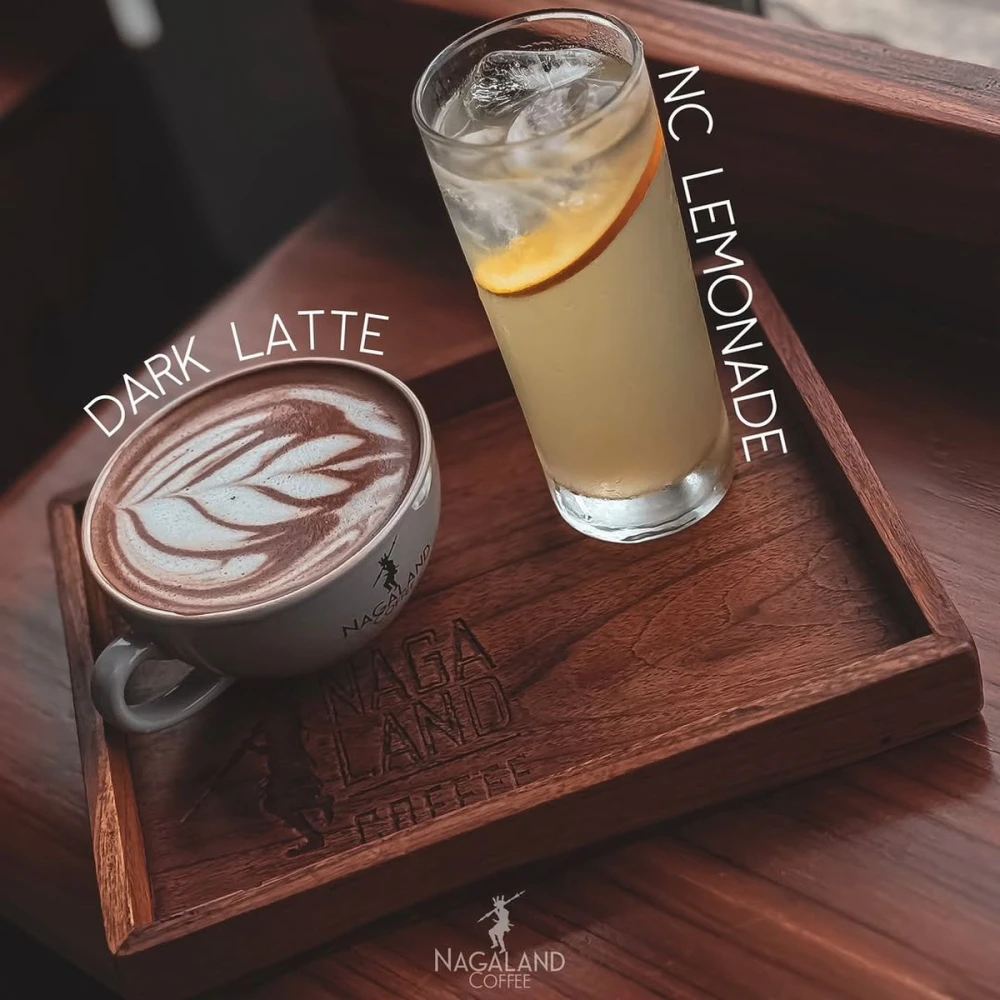
Nagaland Coffee, headquartered in Dimapur with a Kohima outlet, opened in 2019 with a sharper mission - promoting locally grown coffee. Proprietor Vivito Yeptho wanted to move beyond instant and premix coffee. The café features a manual brew bar (the only one in Nagaland) with single-origin coffees from various districts. Its NC Espresso Blend is used by 47 cafés across India and it pioneered an Infusion Fermentation Process using local ingredients like King Chilli, whiskey, jaggery, cinnamon and vanilla. In Dimapur, Naga Bowl Express (founded 2019) emerged from a desire for cultural preservation. Former teacher Alemjungla Jamir launched it to offer authentic Naga cuisine from multiple tribes under one roof in a modern setting.
.webp)
Survival amidst competition
With new cafés opening across Nagaland at a rapid pace, the question of differentiation has become central to survival.
Rai of El Marcado has responded by deliberately keeping his margins thin and his prices affordable. “Maintaining food quality and consistency remains his top priority,” he said, adding that portion sizes and overall experience also factor significantly into customer satisfaction. Decades of consistency, he believes, have built a loyal customer base that continues to sustain the business.
For Yeptho of Nagaland Coffee, the answer is encapsulated in a single word ‘Consistency.’ “You never want a customer to say, ‘The coffee I had yesterday was much better, what happened today?’ Instead, you want them to say, ‘Every time I visit this café, the coffee is excellent - fresh, pleasing and consistently good.’ For him, consistency extends beyond food and beverages. It also includes ambience, service, management and public relations.
As for Khekho at D/CAFÉ, maintaining the trust and loyalty of regular customers remains crucial for sustaining a healthy business. “Retaining your regular customer is the most important thing, meaning maintain your quality and give way for any improvement, then definitely you will have your own loyal customers.”
At Naga Bowl Express, Alemjungla relies on an open feedback loop. “It’s a very competitive market. But I feel that there is space for everyone and every type of cuisine and taste. As for me, I keep trying to improve through customer feedback and research.” Despite intense competition, she believes that the café industry still has space for everyone and every cuisine, provided businesses remain committed to quality and innovation.
Growth takes time
While cafés are often perceived as relatively simple businesses to establish, the experiences of the respondents suggest otherwise. However, café owners emphasised that access to capital alone does not guarantee success. Equally important are a clear business plan, realistic expectations and the discipline to manage finances carefully.
El Marcado’s initial outlay was modest. Rai paid his ailing cousin Rs 80,000 to take over the business, plus Rs 8,000 monthly rent for three years, totaling about Rs 3.68 lakh including all expenses.
D/Café required an investment of Rs 15–17 lakh, with recovery taking roughly 1.5 years. Khekho advised future entrants to invest in quality machinery, a cozy interior and crucially skills, a factor many café owners underestimate.
Nagaland Coffee invested about Rs 15 lakh in its Dimapur outlet and Rs 6 lakh in the smaller Kohima outlet. “A bigger café does not always mean bigger profit,” remarks Yeptho, cautioning aspiring entrepreneurs against equating larger investments with greater returns. Instead, he advocates for steady and sustainable growth rather than large, unplanned expenditures.
At Naga Bowl Express, the Rs 20 lakh investment went largely into equipment. Alemjungla observed that running a café often requires continuous reinvestment, making financial planning just as important as securing initial capital.
Challenges behind sustainability
Despite the vibrant atmosphere often associated with cafés, running one comes with complex and constantly evolving difficulties.
“Different times bring different challenges,” says Rai. At El Mercado, early difficulties centred on attracting customers, retaining trustworthy staff and dealing with inconsistent access to cooking fuel. “In the initial stages, I struggled to attract customers and to find reliable staff members who could be entrusted with major responsibilities,” Rai said. Before LPG became more widely available, kerosene stoves, themselves unreliable, were the only option. The limited population of Mokokchung district has consistently constrained the potential market.
Rai also observes that the growing number of cafés in the region, combined with the relatively limited population in his district, creates significant challenges for sales growth.
Among the most common challenges highlighted by café owners is Nagaland’s inconsistent electricity supply. Nagaland Coffee cited infrastructure, particularly erratic electricity supply, as the most persistent operational hurdle. “Nearly 80% of our operations depend on power,” Yeptho explained.
“Power fluctuations often damage or malfunction electrical equipment and machines used in the café. This directly impacts sales, as we are unable to prepare certain cuisines or beverages when specific machines are not functioning.”
For Alemjungla, the COVID-19 pandemic posed one of the biggest obstacles. “You can well imagine what I and my staff must have gone through in the initial period,” she said, reflecting on the nationwide lockdown of 2020. Having quit her teaching job and invested her entire personal savings, approximately Rs 20 lakh, supplemented by contributions from family and friends, into the venture, the stakes could not have been higher. “Starting something on your own from scratch is not an easy task irrespective of a woman or man,” she added. “So I took a leap of faith.”
Changing consumer patterns
The café industry in Nagaland has also witnessed notable shifts in consumer preferences over the years.
In Mokokchung, Rai noted that major transitions in consumer behaviour have been limited, given that his menu has always catered to widely familiar fare. Minor adjustments to food presentation and cooking technique have been made, but no dramatic reinvention has been necessary.
According to Yeptho, one of the most significant changes has been the growing popularity of beverages alongside increasing popularity of Southeast Asian cuisines. “One of the biggest trends is the transition and evolution of beverages such as Matcha, Mocktails, and Fresh-Pressed Juices,” he noted.
Khekho commented on the changing customer demographic. He noted that while working professionals and graduates once formed the bulk of his customers, “after the post-Covid majority of our clients are the college students,” highlighting the growing influence of young consumers in shaping café culture across Nagaland.
A similar openness to new food experiences was observed by Alemjungla. Reflecting on the changes she has witnessed, she remarked that “with the advent of social media, I see that the Naga society is open to trying out new cuisines.”According to her, eating out was once largely reserved for special occasions, whereas consumers today are more willing to explore different culinary experiences.
Lessons for aspiring entrepreneurs
For those looking to enter the café industry, the respondents offered a consistent message: passion, patience, and preparation matter just as much as investment.
Drawing from his decades of experience, Rai emphasised that aspiring café owners must genuinely enjoy cooking and love the work they do. According to him, passion naturally reflects in the quality of food and service provided to customers. “One should love cooking and love what he cooks,” he said. He also underlined patience, consistency, and the importance of realistic goal-setting, particularly at the outset. “Profit does not come overnight, especially in the café or food industry.”
Yeptho offered a trajectory. “Start small, dream big and always know your capital and initial investment limits. With patience and consistency, success will come in time.”
Khekho gave specific, practical advice - complete at least a three-month training course and work in the field for a minimum of six months before launching. “There are already too many cafés now and it will be more, and the competition is going to be very, very high,” he warned. His prescription - specialism. “Specialise in one particular item to attract the customer.”
Alemjungla was characteristically direct - “Being an entrepreneur in the restaurant/café business is not a 9-5 job. You have to put your heart and mind into it. Start small, be open to learn new things, and don't give up.”
The café and restaurant sector in Nagaland continues to expand, with new establishments opening regularly in Dimapur, Kohima and increasingly in smaller district towns. The stories of El Marcado, Nagaland Coffee, D/CAFÉ and Naga Bowl Express collectively illustrate both the promise and the perseverance that the industry demands and the human stories behind every meal served.
The writer is currently a postgraduate student in Political Science at Madras Christian College, Chennai. Her academic coursework includes Public Opinion, Media Strategies and Political Journalism. This report is part of her one-month internship at The Morung Express.