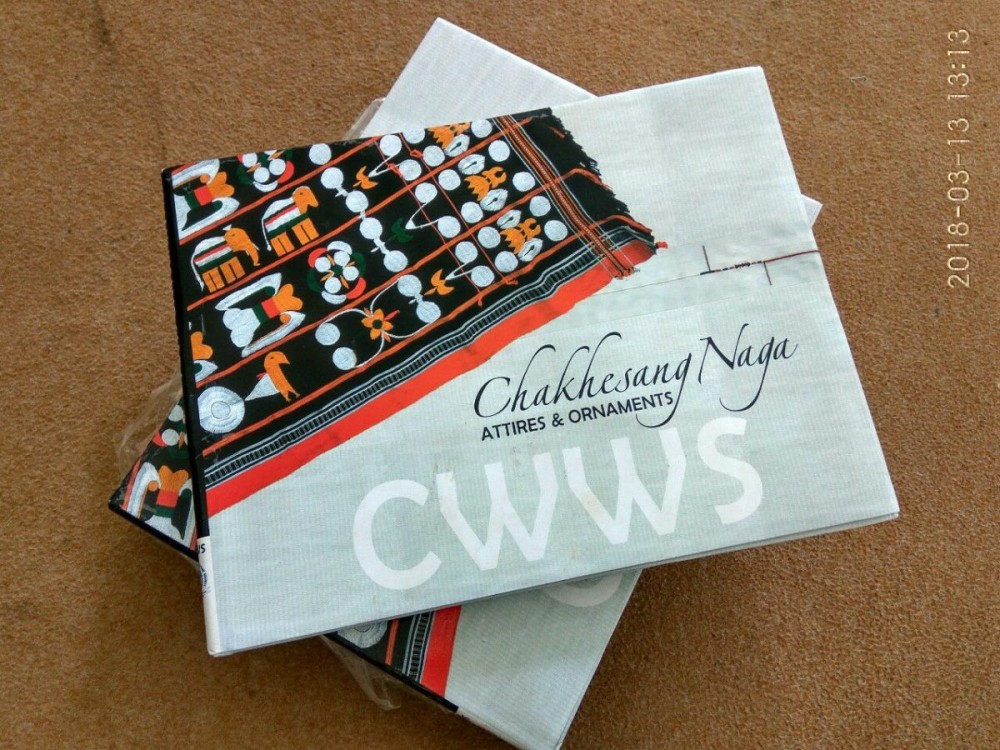
Phek, May 22 (MExN): The Chakhesang Women Welfare Society (CWWS), Phek, has issued an appeal for the “respectful and accurate representation of traditional attires,” cautioning against the growing trend of AI-generated and digitally altered content that distorts the community’s gendered and status-based clothing norms.
Expressing concern over the incorrect portrayal of traditional garments on social media, the CWWS noted that men’s shawls, imbued with specific customary significance, are being erroneously used in women’s apparel in certain digital creations, thereby undermining the cultural integrity of the Chakhesang Naga community.
“Traditional attires are not merely garments; they are symbols of identity, history, customary practices and the cultural values passed down through generations. Every shawl, design and pattern carries its own significance and place within the community,” the CWWS said in a statement issued on Friday.
The Society underscored that Chakhesang traditional attires are strictly gender-specific and are also worn based on entitlement, status, age, occasion and marital status.
“Traditional men’s shawls should not be used for women’s garments or apparel, and likewise, women’s traditional attires and items should not be used for men. Similarly, unmarried individuals should not wear attires or shawls designated for married persons, and shawls symbolizing status, achievement, or entitlement should not be worn unless rightfully earned or entitled to,” the appeal read.
It cautioned that the circulation of such misrepresented content could lead to intergenerational misunderstanding, the CWWS said, “This may contribute to misunderstanding and misrepresentation of our cultural heritage among younger generations and audiences unfamiliar with our traditions.”
While appreciating the growing interest in promoting and showcasing indigenous culture, the Society stressed the need for proper understanding, sensitivity and proper understanding. “Cultural symbols should be preserved and portrayed in ways that maintain their authenticity and dignity,” it added.
The CWWS appealed to individuals, designers, photographers, content creators and the general public to exercise due care and responsibility while portraying traditional attires in public and digital spaces. “This appeal is made not with hostility or ill intent, but out of collective responsibility towards safeguarding the integrity of our cultural heritage,” the Society said. “Preserving the authenticity of our traditions is a shared responsibility for present and future generations,” it added.