(Morung Photo)
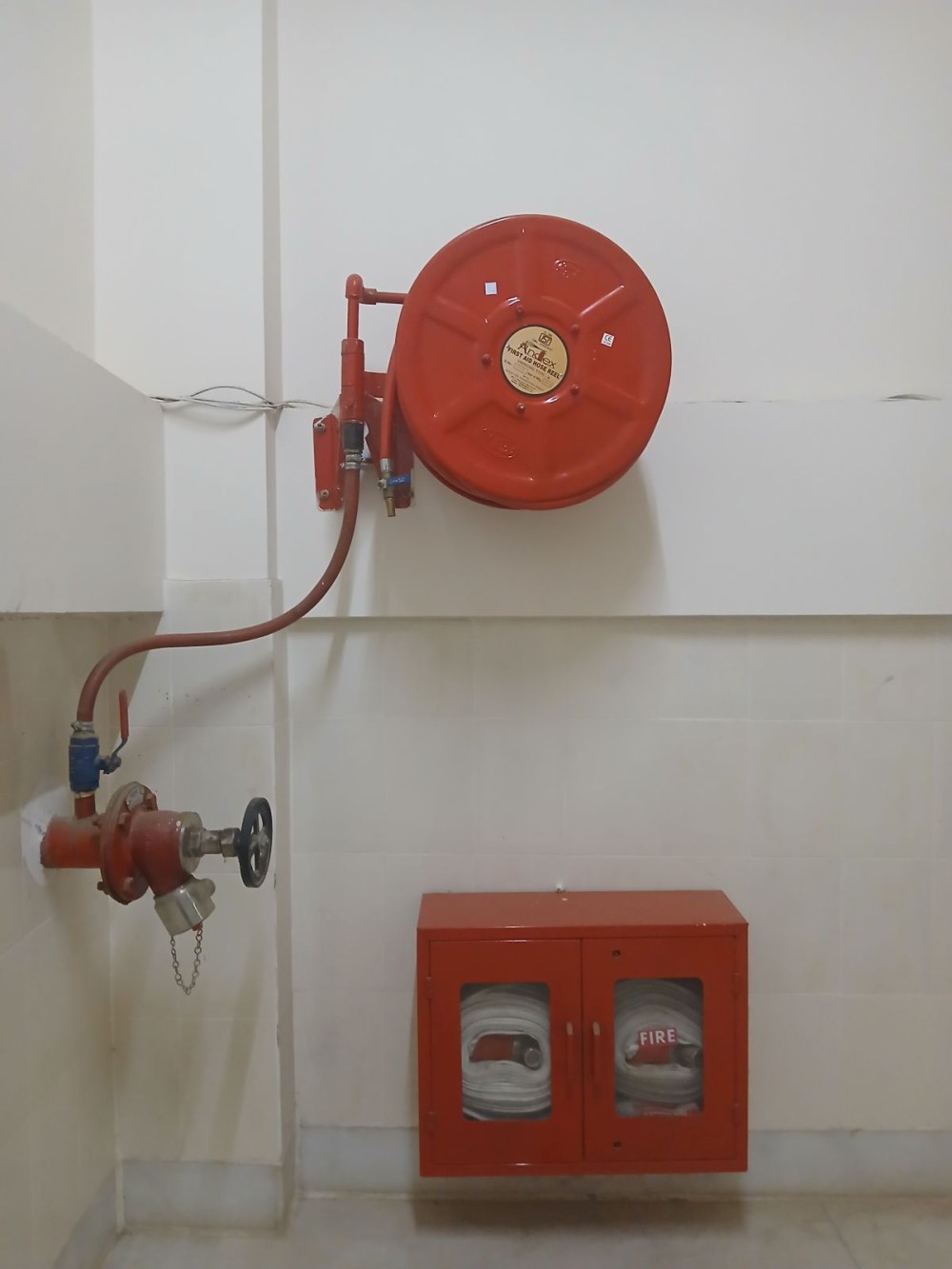
In pursuance to the Ministry of Home Affairs, Government of India, with an objective to promote awareness on basic fire prevention measures and encourage safe practices, the Directorate of Fire & Emergency Services, Nagaland has issued the following Fire safety Do's and Don'ts for occupants of residential buildings and commercial establishments for public interest.
I. Fire safety do's & don'ts - residential buildings (summer season)
A. Do's
• Ensure periodic inspection of household electrical wiring and appliances, especially air
conditioners, coolers, and refrigerators.
• Handle electricity carefully and ensure switch off appliances when not in use.
• Use only ISI-marked (proper rating) electrical equipment and avoid loose connections.
• Ensure compatible electric load for the residential unit.
• Switch off appliances when not in use, particularly during peak heat hours.
• Keep LPG cylinders in an upright position and check for leakage using soap solution.
• Keep curtains, hanging articles away from the power sockets, open flames like Diyas, candles, incense sticks, etc.
• Maintain adequate ventilation to prevent overheating.
• Keep buckets of water/sand readily available for emergency use.
• Educate all family members about fire safety practices and emergency response (Dial 101).
• Keep balconies, corridors, and staircases free from clutter.
• Ensure building access roads are unobstructed for fire service vehicles.
B. Don'ts
• Do not overload electrical sockets or use multiple high-load appliances on a single extension board.
• Do not keep power drawing appliances close to each other like AC compressors, etc,.
• Do not leave cooking unattended, especially during summer.
• Do not store inflammable materials (kerosene, petrol, firecrackers) inside the house.
• Do not use damaged wires, loose plugs, or substandard electrical fittings.
• Do not block exits or staircases with furniture or storage.
• Do not place electrical appliances near curtains or combustible materials.
• Do not charge devices overnight unattended.
• Do not burn waste within residential premises.
• Do not keep LPG cylinders in confined or poorly ventilated spaces.
• Do not discard lit cigarettes, candles, kerosene lamp, carelessly - they can ignite dangerous fires.
C. Special summer advisory
• Increased use of cooling devices may lead to overheating-ensure proper wiring and load
distribution.
• Avoid temporary or makeshift electrical connections.
• Check inverter/battery systems for overheating and proper ventilation.
II. Fire safety do's & don't's - commercial establishments (summer season)
(Offices, Shops, Markets, Malls, Institutions, etc.)
A. Do's
• Ensure strict compliance with fire safety norms as per local authority regulations.
• Install and maintain fire protection systems (fire extinguishers, hydrants, sprinklers, alarm
systems) as per local authority regulation.
• Conduct periodic fire safety and electrical audit / inspections.
• Train employees in fire prevention, evacuation procedures and use of firefighting, equipment.
• Maintain clear, illuminated, and properly marked emergency exits.
• Ensure proper housekeeping to avoid accumulation of combustible waste.
• Provide adequate ventilation and fire protection systems for electrical panels, server rooms,
and DG sets.
• Keep emergency contact numbers displayed prominently.
• Maintain dedicated fire water storage and ensure accessibility.
• Conduct mock drills atleast twice in a year.
B. Don’t’s
• Do not block emergency exits, staircases, or fire access routes.
• Do not store flammable goods beyond permissible limits or in unauthorized areas.
• Do not operate without functional fire detection and suppression systems.
• Do not overload electrical circuits or use temporary wiring.
• Do not ignore sparks, short circuits, or overheating of equipment.
• Do not disable fire protection systems like fire alarms or sprinkler, hydrant systems.
• Do not stack goods near electrical panels or escape routes.
C. Special Summer Advisory
• Increased electrical load due to cooling systems requires load balancing and monitoring.
• Ensure transformers, DG sets, and HAVC systems are regularly serviced.
• Increase frequency of inspection during peak summer months.
• Do not discard lit cigarettes carelessly- they can ignite dangerous fires
• Pay special attention to high-risk areas such as kitchens, storage rooms, and server rooms.
Issued by DIPR