(Photo: Xinhua)
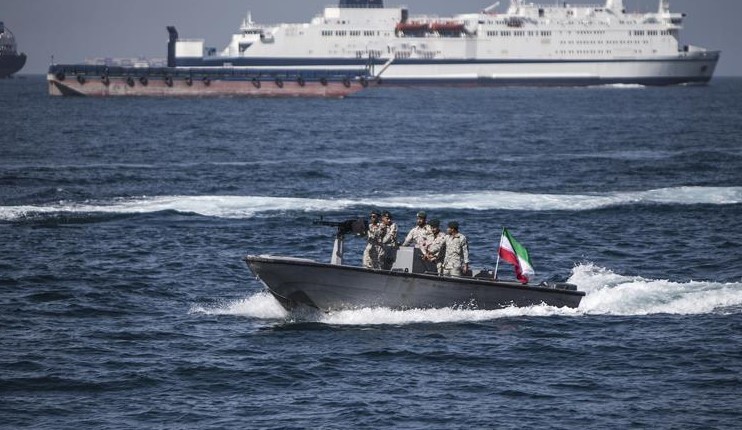
Tehran, March 23 (IANS) Iran has begun charging certain vessels a transit fee of $2 million (approximately Rs 18.8 crore) to pass through the strategically vital Strait of Hormuz, in what officials describe as a new assertion of control amid its ongoing conflict with the United States and Israel.
Iranian President Masoud Pezeshkian stated on X that the strait remains “open to everyone” — except for Iran’s adversaries — outlining Tehran’s latest stance on access to the crucial maritime route.
The policy has already been implemented, according to Iranian lawmaker Alaeddin Boroujerdi, who spoke to state broadcaster Islamic Republic of Iran Broadcasting (IRIB), as cited by Iran International. Boroujerdi said the move represents a shift toward what he called a new “sovereign regime” governing the waterway.
“Collecting $2 million as transit fees from some vessels crossing the strait reflects Iran's strength,” Boroujerdi said.
“Now, because war has costs, naturally we must do this and take transit fees from ships passing through the Strait of Hormuz,” he added, claiming the policy demonstrates the Islamic Republic’s “authority.”
Earlier, Iran's Foreign Ministry said that the Strait of Hormuz is not blocked and navigation continues in the waterway, with necessary measures being taken due to wartime conditions.
In a statement elaborating on Iran's positions amid ongoing US and Israeli attacks, the ministry said that Iran has always respected the freedom of navigation and maritime security and safety, adding that it has worked to uphold those principles over the years.
The ministry noted that following the US and Israeli military "aggression" against Iran, a dangerous situation has been imposed on the Gulf and the Strait of Hormuz, directly impacting regional shipping safety and security.
Claiming its legitimate right to self-defence against the "aggressors," Iran has targeted US military bases and facilities in the region while adopting a series of measures to ensure that the "aggressors" and their supporters do not exploit the strait to advance their aggressive goals against the country, it said.
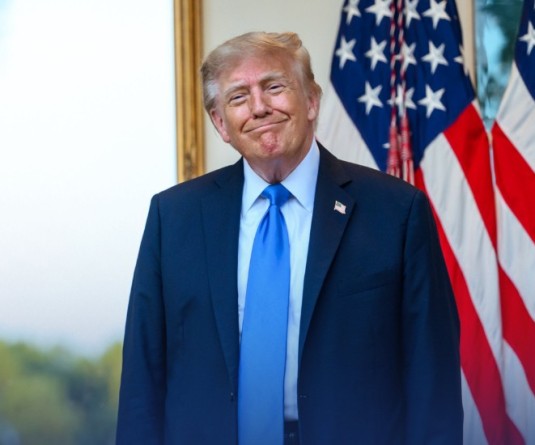
The announcement comes amid heightened tensions following a warning from former US President Donald Trump, who said the United States could strike Iran’s power infrastructure if the strait is not reopened within 48 hours.
Trump stated that if Iran failed to comply, the US would destroy its “various POWER PLANTS, STARTING WITH THE BIGGEST ONE FIRST!”