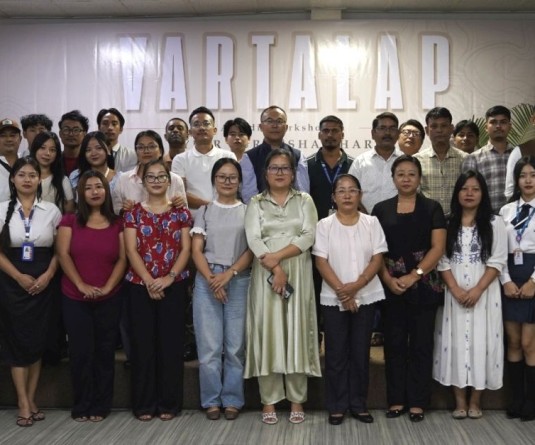
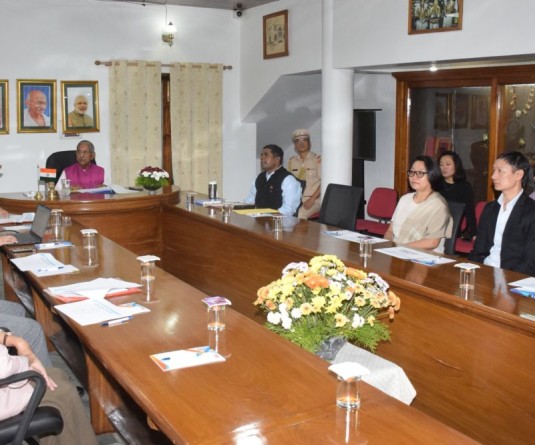
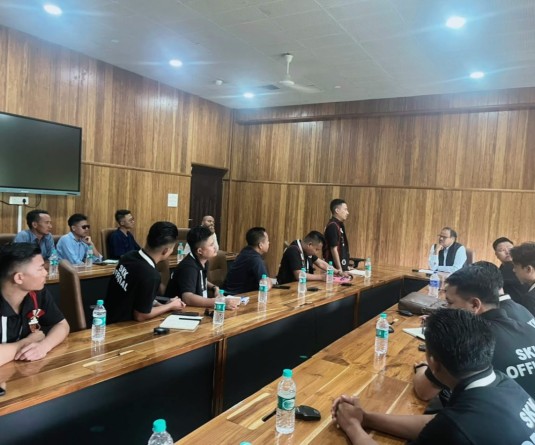
Advisor S Kiusumew Yimchunger, along with the cultural troupe during the Metümnyo festival celebration held at the Multipurpose Hall, Pungro Town, on August 8. (DIPR Photo)
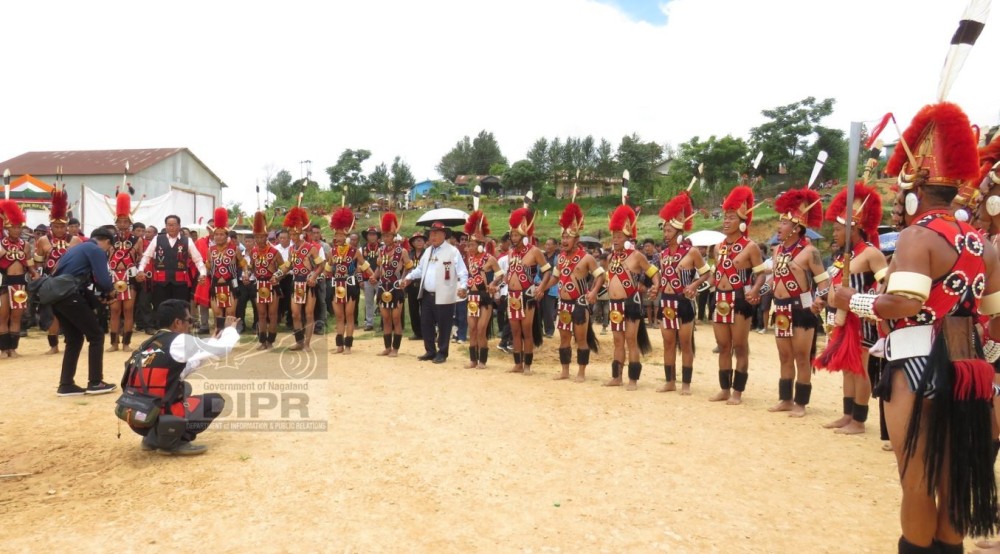
Kohima, August 8 (MExN): Metümnyo, one of the most celebrated festivals of the Yimkhiung Naga community, was observed in Kohima and Pungro on Saturday, with speakers highlighting the importance of preserving cultural heritage, strengthening unity and promoting forgiveness and reconciliation.
Traditionally observed for five days from August 4 to 8 after the millet harvest, Metümnyo was celebrated at RCEMPA, Jotsoma, Kohima, by the Yimkhiung Union Kohima.
Extending greetings to the Yimkhiung people, Deputy Chief Minister T R Zeliang said festivals were more than occasions of celebration and represented living expressions of identity and shared heritage.
He said Metümnyo, celebrated after the millet harvest, was a reminder of the Yimkhiung people's rich culture, resilience and deep connection with nature.
Zeliang also welcomed the recent strengthening and celebration of the spirit of brotherhood between the Yimkhiung and Zeliang communities, describing it as a significant milestone deserving appreciation. Such initiatives, he said, build trust and lasting bonds that benefit not only the two tribes but the entire Naga family.
He said Metümnyo was a festival of thanksgiving for a bountiful harvest, but also symbolised the “harvest” of life and the joy and contentment that came from living in harmony with families, neighbours and communities.
The Deputy Chief Minister urged the people to let the festival inspire them to sow the seeds of unity, kindness, hard work and compassion, so that rich harvests could be reaped not only in the fields but also in homes, society and relationships.
At a time when Naga society was witnessing increasing fragmentation, he said festivals served as reminders of the importance of coming together and that diversity should be treated as a strength rather than a weakness.
He called for stronger bonds between tribes and communities and urged people to celebrate with renewed determination to build bridges instead of barriers and work together for a peaceful, prosperous and united Nagaland.
Advisor Kuzholuzo Nienu and Angami Public Organisation president Thejao Vihienuo also extended greetings to the Yimkhiung people and spoke on the occasion.
In Pungro, Metümnyo, described as the festival of “soul wrapping” of the Yimkhiung Naga tribe, was celebrated at the Multipurpose Hall, Pungro Town, on Saturday.
The event was hosted by MLA S Kiusumew Yimchunger, Advisor for Fire & Emergency Services, Home Guards & Civil Defense, Relief & Rehabilitation, and organised by the Pungro Town Festival Committee.
Addressing the gathering, Kiusumew urged people to celebrate the festival in its modern form while reflecting its spirit of common brotherhood, unity and forgiveness, which he said would give the festival its true meaning.
The programme began with Rev Fr Dr Vemedo Joseph, parish priest of St Paul Parish, Pungro, invoking God's blessings, followed by a musical presentation by Pungro Town GBs reflecting the spirit of the festival.
ADC Pungro Hotolu Sema, NCS; SDPO Pungro Y Ashito Aye; and Makezho, Executive Chairman of YTC, delivered brief speeches highlighting the festival's significance in preserving cultural roots and connecting the glorious past with a hopeful future, while underscoring the resilience and heritage of the Yimkhiung people.
The origin of the Metümnyo festival was narrated by Yansomong, Head GB, Pungro Town.
Metümnyo signifies “feast of spirit” and is a time of thanksgiving, community renewal, farewell to departed souls and welcoming of newborn babies. During the observance, villagers traditionally come together to clean houses, repair local roads and clear field footpaths using daos and spades in preparation for forthcoming blessings.
The observance culminates on the final day, Shiresük, which is dedicated to feasting on fresh millet, inviting friends, exchanging gifts, drinking local brew, and enjoying traditional singing and dancing.
The festival also carries the significance of forgiveness and open reconciliation, where past mistakes are discussed and friendships rebuilt.