.jpg)
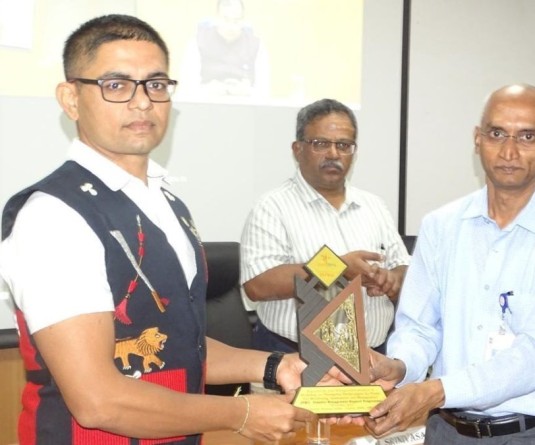
Dr Mhasesalu Tetseo (Orthopaedic surgeon, NIMSR)
On behalf of Nagaland Orthopedic Society
Road traffic accidents (RTA) are not inevitable tragedies. With responsible road behaviour, safer infrastructure and timely action, countless bone and joint injuries and the disabilities they cause can be prevented.
Every road journey begins with an expectation: to reach the destination safely. Yet, for thousands of people every day, an ordinary journey ends in an emergency department, an operating theatre, or tragically, in the loss of life. Road traffic accidents have become a major public health concern, leaving behind not only fatalities but also fractures, damaged joints, spinal injuries, permanent disabilities and enormous emotional and financial burdens on families.
On this National Bone and Joint day, we must therefore look beyond the treatment of fractures and emphasise an equally important principle- Prevention is the most effective form of Orthopaedic care.
Understanding the Causes
RTAs occur because of a combination of human, vehicle, road and environmental factors. Among these, human behaviour remains one of the most important and most preventable contributors.
1. Speeding and reckless driving- These substantially increase both the likelihood of a crash and the severity of injuries when a crash occurs. At high speeds, drivers have less time to react, and the force transmitted to the human body during a collision becomes much greater.
2. Drunken driving- It is another major threat. Alcohol and another intoxicating substances impair judgement, coordination, concentration and reaction time. The consequences can be devastating not only for the intoxicated driver but also for the innocent passengers, pedestrians and other road users
3. Distracted driving- Using of mobile phones, texting, social media, navigation systems, loud music and even conversations can divert attention from the road. A few seconds of distraction can be enough to cause an irreversible tragedy.
4. Fatigue and drowsiness- These can be equally dangerous. Long distance driving without adequate rest can significantly impair alertness. Drivers should recognise fatigue as a serious safety issue rather than attempting to overcome it through stimulants or simply “pushing through”.
5. Poor road conditions, Inadequate lighting, potholes, insufficient signage, poorly designed intersections and lack of pedestrian facilities can further increase the risk.
6. Vehicle maintenance also matters. Faulty brakes, worn tyres, defective lights and mechanical problems can transform an otherwise safe journey into an accident.
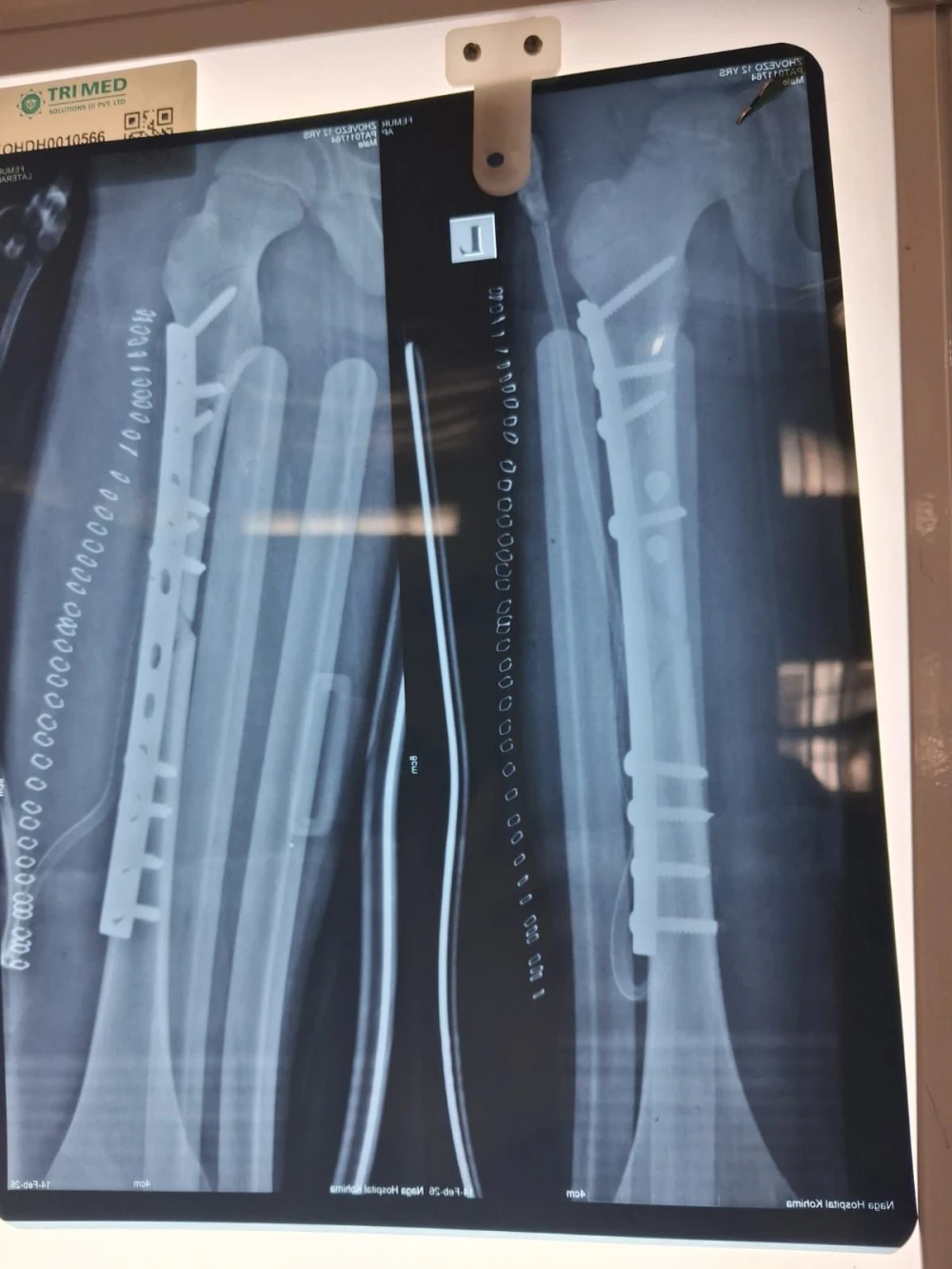
RTAs are major cause of traumatic injuries to bones, joints and soft tissues. The spectrum ranges from simple fractures to devastating multiple injuries.
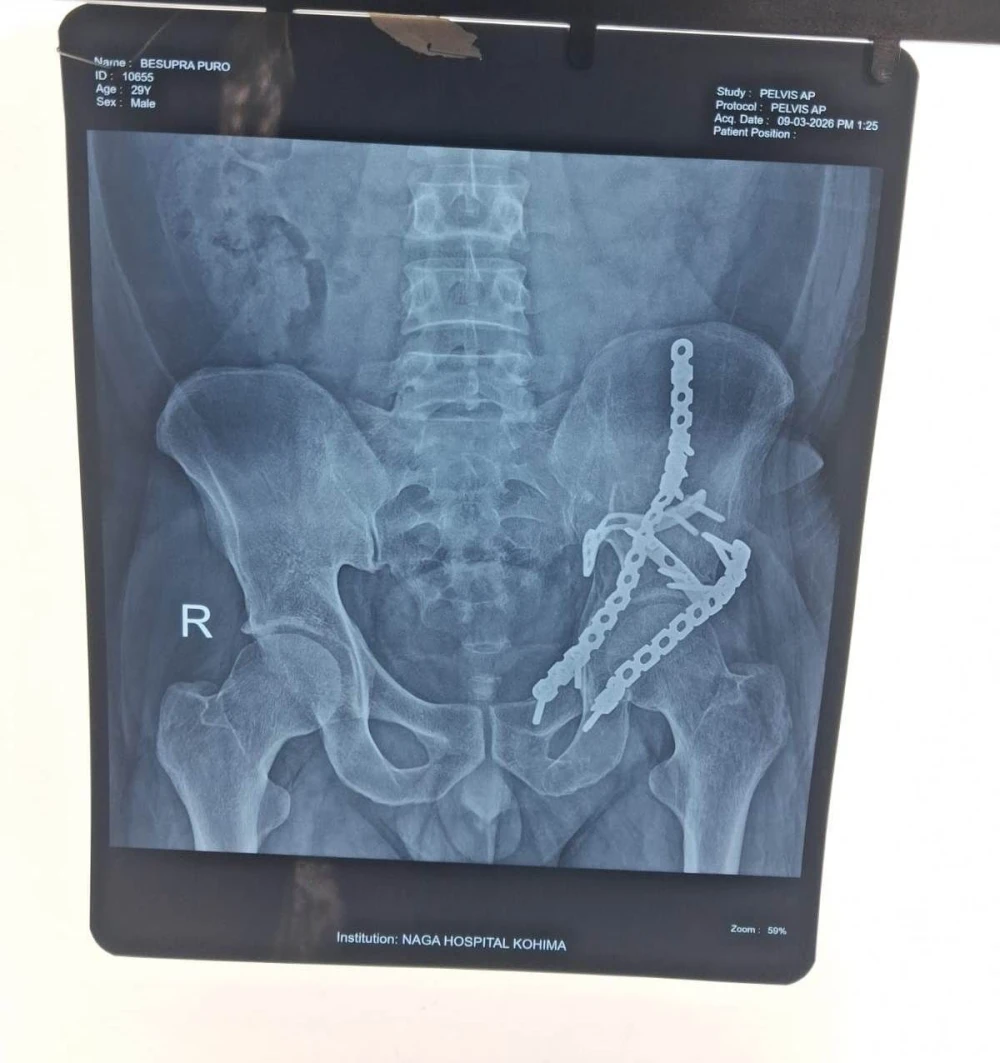
Fractures of the femur, tibia, pelvis, forearm, spine are examples of frequently encountered injuries in Road traffic accidents. These may be accompanied with injuries of ligaments, tendons, nerves and blood vessels. Joint dislocations can permanently compromise function if not treated promptly. Pelvic fractures may be associated with severe blood loss, while spinal injuries can lead to paralysis and lifelong disability.
For some patients, recovery involves multiple surgeries, prolonged immobilisation, physiotherapy and extensive rehabilitation. Even after technically successful treatment, some may experience persistent pain, stiffness, weakness or restricted movement. The social consequences can be profound. A working individual may lose months of employment. A student may discontinue education. A parent may become dependent on family members. The financial cost of treatment and rehabilitation can place considerable pressure on households. This is why road safety must be viewed not simply as a traffic issue, but as an essential bone and joint issue.
Precaution is our Strongest Weapon
The good news is that many RTAs are preventable.
1. Speed control is one of the most important precautions. Respecting speed limits and adjusting speed according to weather, traffic, road conditions and visibility are measures drivers can keep in mind while driving.
2. Never drink and drive-If alcohol is consumed, arrange alternative transportation or designate a sober driver.
3. Avoid using mobile phones while driving- A phone call or message can wait.
4. Seat belts must be worn by everyone in the vehicle. This should be regarded as a necessity not only for the driver but every passenger.
5. Properly fitted and securely fastened helmets should be non-negotiable for two-wheeler drivers and passengers.
6. Children should be transported using appropriate restraints and never in unsafe positions.
7. Pedestrians must also remain vigilant. They should use footpaths, pedestrian crossings and designated walkways and avoid crossing roads while distracted by mobile phones or headphones.
.webp)
Safer roads require collective responsibility
Individual responsibility alone cannot solve the problem. Governments, local authorities and communities have an important role in creating safer transportation systems.
Roads should be properly maintained, adequately illuminated and clearly marked. Potholes and damaged surfaces should be repaired promptly. Pedestrian crossings, footpaths, traffic signals, speed control measures and appropriate signages should be provided wherever necessary.
Regular vehicle inspections and enforcement of traffic regulations are equally important. Traffic laws must be implemented consistently while road safety education should be strengthened in schools and communities.
When accident happens
Despite our best efforts, accidents may still occur. The response during the first few minutes can be critical. In today’s world where everyone is an ‘influencer’, instead of helping the victims, cameras are taken out first to capture the “Viral” moment and where in many instances the ‘Golden time’ to save the victim passes.
Emergency services should be contacted promptly. The injured person should not be unnecessarily moved less they have a spinal injury or other life-threatening injuries. Severe bleeding should be addressed with appropriate first aid while awaiting trained medical assistance. Injured individuals should be transported to a suitable healthcare facility as quickly and safely as possible.
Bone and Joint Day: A Call to Action
As orthopaedic surgeons, we can reconstruct broken bones, stabilise fractures, replace damaged joints and restore function. Modern trauma care has transformed the outcomes of many severe injuries.
But treatment should never replace prevention. The best fracture is the one that never happens.
This Bone and Joint day, let us make road safety a personal commitment. Let us wear helmets and seatbelts, respect speed limits, reject drunk driving, put away our mobile phones and never underestimate the dangers of fatigue or reckless behaviour.
Let parents teach children road safety. Let young people understand that responsible driving is not a restriction on freedom but an expression of maturity. Let authorities build safer roads and enforce safety regulations. And let every road user recognise that their actions can affect not only their own life but also the lives of countless others.
A Road traffic accident can happen in a moment, but its consequences can last a lifetime.
Drive responsibly. Ride safely. Respect the road. Protect your bones and joints.
Above all, Protect life.