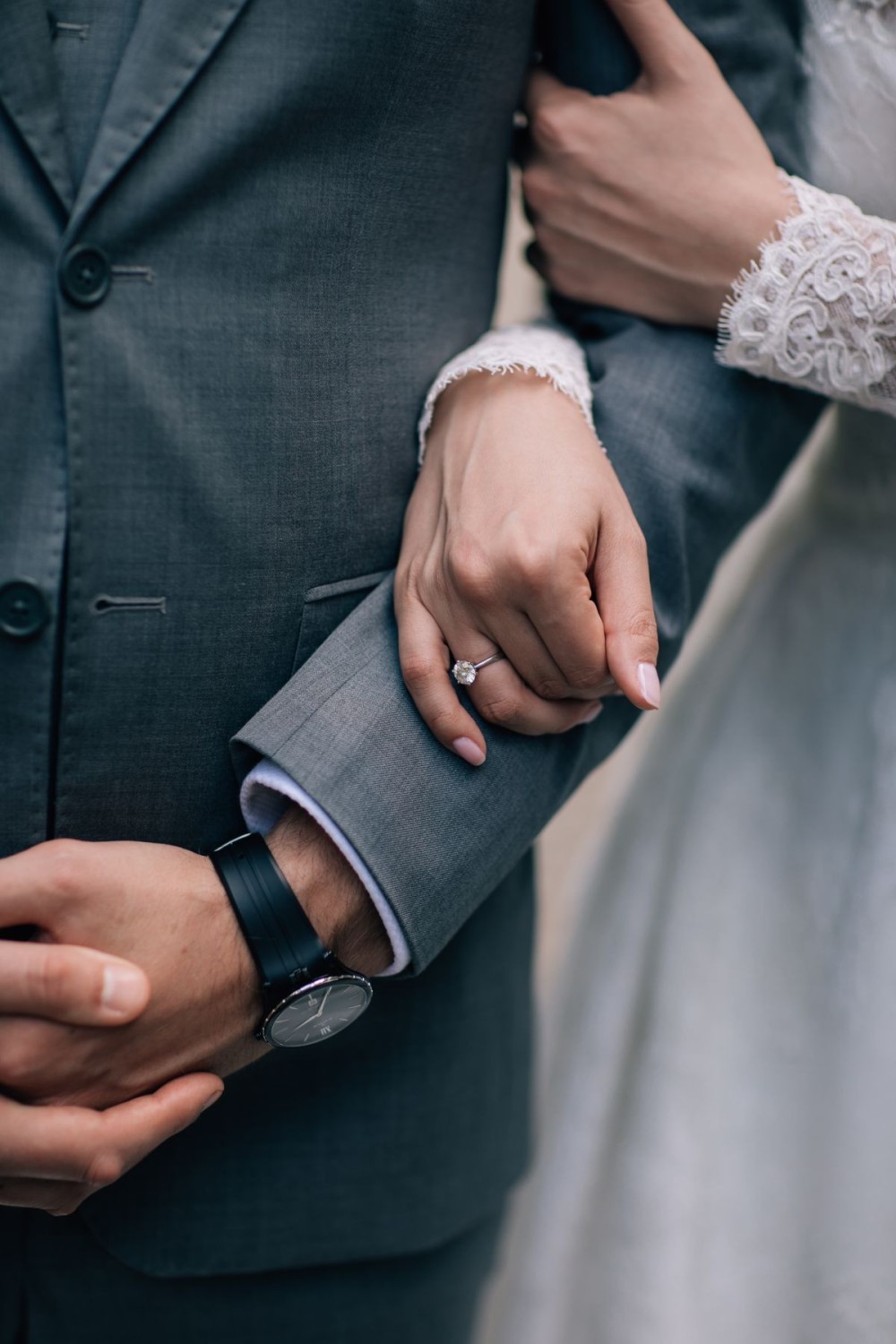
Photo Courtesy: Pixabay | For representational purpose only
Dr Nighatoli P Achumi
Pastoral Counselor & SYMBIS facilitator, Co-founder, IICC
Marriage in today’s world is becoming increasingly complex. In the sense that with the rising challenges, only time can tell if a marriage will hardly survive, thrive or become another failed marriage status. The extravagant weddings do not guarantee that couples will lead a successful married life. Indeed, wedding being one of the most important days in a person’s life, it deserves the best attention and preparation. However, one need to be aware that ideally, a wedding lasts for a day, but marriage is meant to last for a lifetime. Unfortunately, many couples prepare more for the event than for the relationship that follows. In a generation where failed marriages are increasing and commitment is becoming more fragile; this imbalance has serious consequences.
In previous generations, marriage was commonly viewed as a sacred and lifelong covenant. However, this does not mean that marriages during those times were always healthy. There were instances where women remained in unhealthy marriages because of financial dependence, social pressure, or for the sake of their children. In many societies, divorce was also considered taboo, making separation difficult even in painful circumstances.
Today, the meaning and perception of marriage are changing rapidly under the influence of modern lifestyles, social trends, and cultural shifts. While modern society has given individuals greater freedom and independence, it has also contributed to changing attitudes toward commitment, permanence, and family life. Unlike the past, now divorce rates continue to rise, and serial monogamy has become increasingly common. Relationships that once were expected to last “till death do us part” are often viewed as temporary or conditional. At the same time, live-in relationships, delayed marriages, and fear of commitment are becoming more acceptable among young adults. As a result, many people, especially children who grow up witnessing broken marriages and unstable homes, are beginning to lose faith in the sanctity and permanence of marriage.
Live-in relationships are increasing. Such arrangements may unintentionally weaken the seriousness and sacredness traditionally associated with marriage. When relationships are entered into without long-term commitment or preparation, it becomes easier for people to walk away when difficulties arise. This mindset can gradually erode the values of perseverance, sacrifice, and responsibility that are necessary for a strong and lasting marriage.
More and more people are prioritizing personal freedom and self-fulfilment over long-term commitment. Others delay marriage because of education, career goals, or fear of making the wrong choice. While these concerns are understandable, they can sometimes lead to emotional isolation, unstable relationships, or confusion about the true purpose of marriage.
For many children, the family is the first school where they learn about love, trust, forgiveness, and commitment. When they constantly witness conflict, separation, abuse, or divorce between parents, marriage may no longer appear beautiful or secure to them. Instead of seeing marriage as a source of stability and companionship, they may begin to associate it with pain, disappointment, and emotional suffering. Consequently, many young people choose to avoid marriage altogether, believing that lifelong commitment is unrealistic or impossible in today’s world.
Despite these challenges, marriage still remains one of the most meaningful and important institutions in society. A healthy marriage provides emotional support, stability, companionship, and a nurturing environment for children. Strong families contribute to stronger communities and healthier societies. Therefore, rather than abandoning the institution of marriage, society should focus on restoring its value and help young people prepare for it wisely.
One important solution is marriage preparation for young people and premarital counselling for couples who are ready to commit in marriage. Marriage preparation education can help young people develop a healthier and more realistic outlook on marriage. These programs can teach on how to find, weigh and wait for the right partner while developing emotional maturity and becoming the right person instead of looking out for the right person.
Many couples spend months preparing for their wedding ceremony but very little time preparing for married life itself. Marriage requires far more than romantic feelings or physical attraction. Without proper preparation, couples often enter marriage with unrealistic expectations and limited understanding of the responsibilities involved.
A significant number of marital conflicts arise because partners fail to discuss important topics such as expectations, parenting, faiths, communication styles, managing conflict and finances etc. Premarital counseling can help couples identify potential challenges before marriage. Counseling creates a safe environment where these issues can be addressed honestly and constructively. It can help couples build a stronger foundation before they face the pressures and realities of married life.
Parents, educators, religious leaders, and communities also have an important role to play in shaping young people’s attitudes toward marriage. Young people need positive examples of healthy relationships and stable families. When children witness love, respect, understanding, and commitment within the home, they are more likely to value marriage positively. Society must work together to promote healthy relationship values.
At the same time, restoring the sanctity of marriage does not mean ignoring the reality of painful or abusive relationships. There are situations where separation may become necessary for safety and well-being. However, the increasing normalization of casual commitment and easy separation should not become the standard solution for every marital difficulty. Healthy marriages require effort, perseverance, understanding, and willingness to grow together through life’s challenges.
The changing face of marriage presents both challenges and opportunities. While modern society has transformed how relationships are viewed, it also provides an opportunity to intentionally prepare individuals for stronger and healthier marriages. By investing in marriage preparation education and premarital counseling, society can help young people regain confidence in the beauty and purpose of marriage.
Marriage is not merely about organizing a wedding ceremony or fulfilling social expectations. It is about building a lifelong partnership rooted in love, commitment, sacrifice, and mutual growth. If society wishes to preserve the value of marriage for future generations, preparation must become a priority. By helping individuals become emotionally, mentally, and spiritually prepared for marriage, we can inspire young generation to believe in the sanctity and permanence of this sacred union.