The striking stone monoliths of Mawphlang
Shweta Mukundan
Deep within the heart of an untouched forest in the East Khasi Hills district of Meghalaya, lies an ancient sacred grove, where nature’s pulse beats in harmony with time. Mawphlang, which translates as “mossy stone” is revered by the Khasi people and considered to be the dwelling place of ancestral spirits. The forest is striking with the rustling leaves swaying gently in the mountain breeze, carrying echoes of stories that had outlived generations. Walking beneath the ancient canopy felt like stepping into the mythical landscapes imagined by Tolkien. The verdant forest glimmered in the shining suns rays streaming through the gaps in the trees.
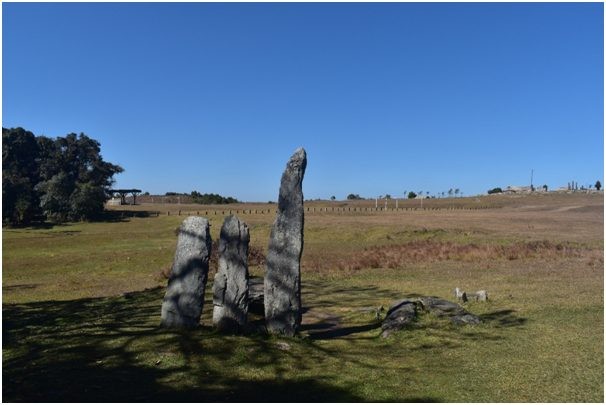
As I entered the grove, I was greeted by striking stone monoliths that stood silently against the open landscape. These structures, erected by the Khasi people, commemorate ancestors and significant events in the community's history. Their surfaces bore witness to generations that lived in harmony with the land. Beyond the stones lay the dense forest, believed to be the abode of Labasa, the guardian deity of the grove. For generations, people have observed strict customs that forbid the removal of anything from within its boundaries. Local folklore warns that anyone who violates these traditions invites misfortune. These beliefs have protected this forest for centuries.
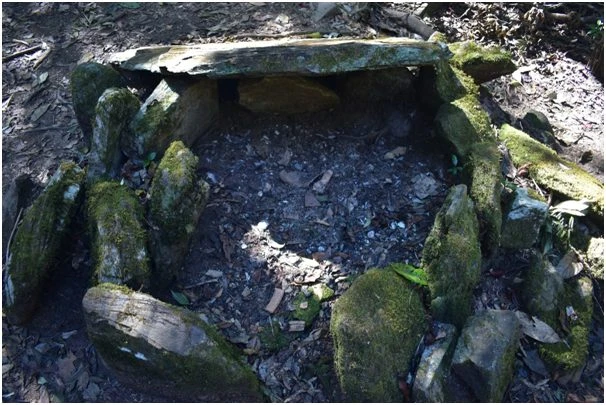
Stepping into the grove instantly made the air noticeably cooler and the sounds of the outside world gradually faded away. Massive trees stretched skywards, their trunks cloaked in emerald moss while tangled roots wove a mesh across the forest floor. Ferns carpeted patches of earth, lichens adorned ancient barks and shafts of sunlight pierced through the foliage illuminating the winding stone path. Every corner of the forest seemed alive, reminding visitors that nature flourishes when left undisturbed.
Sacred groves such as Mawphlang are often described as living museums of biodiversity. Because human disturbance has been minimal, they provide refuge for a remarkable diversity of plants, fungi, insects, birds, and other wildlife. Many species that have disappeared from surrounding landscapes continue to survive within these protected patches. For ecologists, sacred groves offer invaluable insights into natural forest ecosystems. For local communities they represent something even deeper, a sacred inheritance passed down through generations.
As someone who enjoys observing nature, what struck me most was the silence. It was not the absence of sound, but a silence filled with birdsong, the rustle of leaves, and the occasional whisper of the wind through towering branches. Every step along the shaded pathway felt unhurried, inviting quiet observation rather than hurried sightseeing. It was easy to understand why so many visitors describe the grove as peaceful, almost mystical.
In an age when forests around the world continue to shrink under the pressures of development and resource extraction, Mawphlang offers a powerful lesson. Long before protected areas, wildlife laws, and conservation policies became commonplace, indigenous communities had already recognised the importance of safeguarding nature. Their traditions fostered a relationship with the forest built on reverence rather than ownership.
As I left the grove and looked back at the ancient trees standing in silent dignity, one thought lingered. Conservation is not always born from scientific knowledge or government regulations. Often it begins with a simple belief that nature is sacred. Mawphlang sacred grove is a testament to that belief, a place where culture and conservation have flourished together for centuries, ensuring that this extraordinary forest continues to whisper its timeless stories to all who walk beneath its canopy.