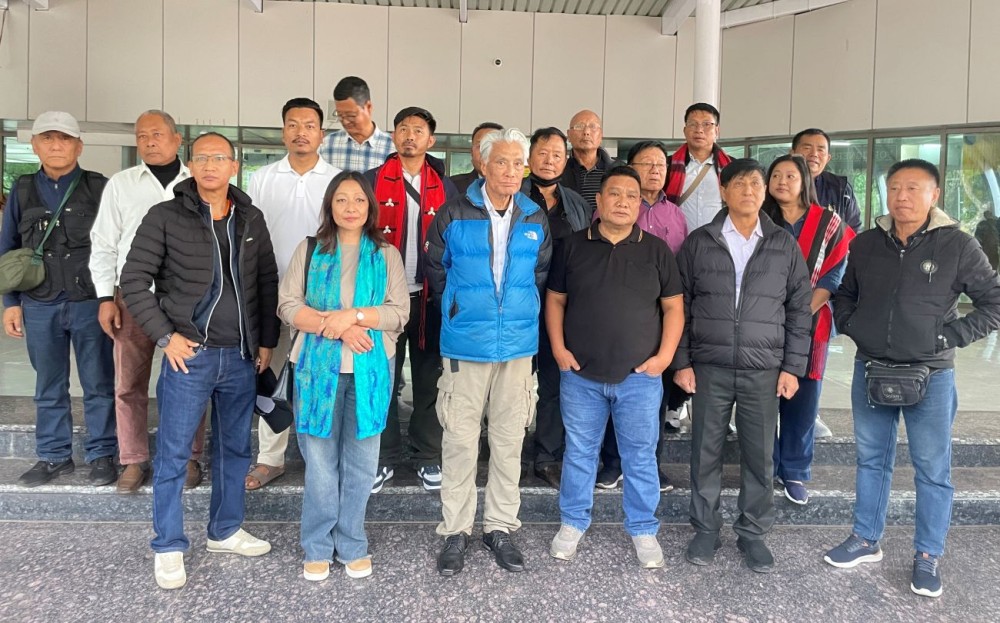
Members of the FNR, RRaD and Naga Tribe Hoho delegation upon their arrival at Dimapur Airport on November 11. (Morung Photo)
Morung Express News
Chümoukedima | November 11
The Naga Tribe Hoho has urged the governments of Nagaland and India to expedite the necessary procedures for the return of Naga ancestral remains from the United Kingdom, ensuring their timely arrival in the homeland for a dignified burial.
A 28-member delegation comprising representatives of the Forum for Naga Reconciliation (FNR), Recover, Restore and Decolonise (RRaD), and the Naga Tribe Hoho returned to Dimapur on November 11 following a repatriation process involving the Pitt Rivers Museum (PRM) at the University of Oxford, UK.
A solemn handover ceremony was hosted by the PRM on November 9 to formalise the transfer of the remains to the Naga people through the FNR and the Naga Tribe Hoho.
Addressing a brief press conference at Dimapur Airport, NT Thamlong Phom, Vice President of the Phom People's Council, said the ancestral human remains had been handed over to the FNR, RRaD and Naga Tribe Hoho by the PRM and were now on their way home. However, he said certain protocols and procedures remained to be completed for their transfer.
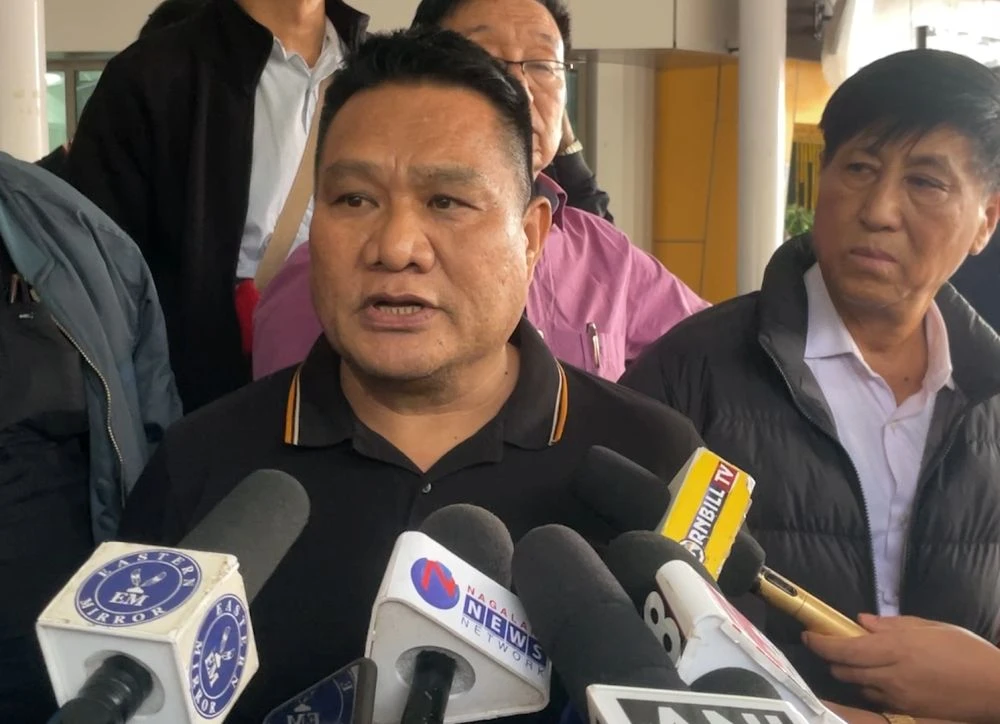
Through the briefing, he made an earnest request to both the governments to expedite the process so that the remains could reach Nagaland in time for a dignified and honourable burial.
Phom said the Naga Tribe Hoho had worked closely with the FNR and RRaD since 2024, contributing to the progress of the repatriation process, which culminated in the handover ceremony at the Pitt Rivers Museum on November 9.
He said the hoho viewed the repatriation as a source of healing for individuals and among Naga tribes, while also contributing to lasting peace and reaffirming Naga unity. He invited all the Naga people to participate in the homecoming and burial ceremony, with details to be announced shortly.
Describing the homecoming as the “most remarkable and important chapter in Naga history of healing and reconciliation,” Dr Visier Sanyü remarked that our great grandfathers are coming home after more than 100 years.
He said the process took six years of negotiations to reach this level, involving difficult, ethical, moral and spiritual considerations. He acknowledged the collective support of all Naga tribes, the Naga Students' Federation (NSF) and churches in bringing the process to this stage.
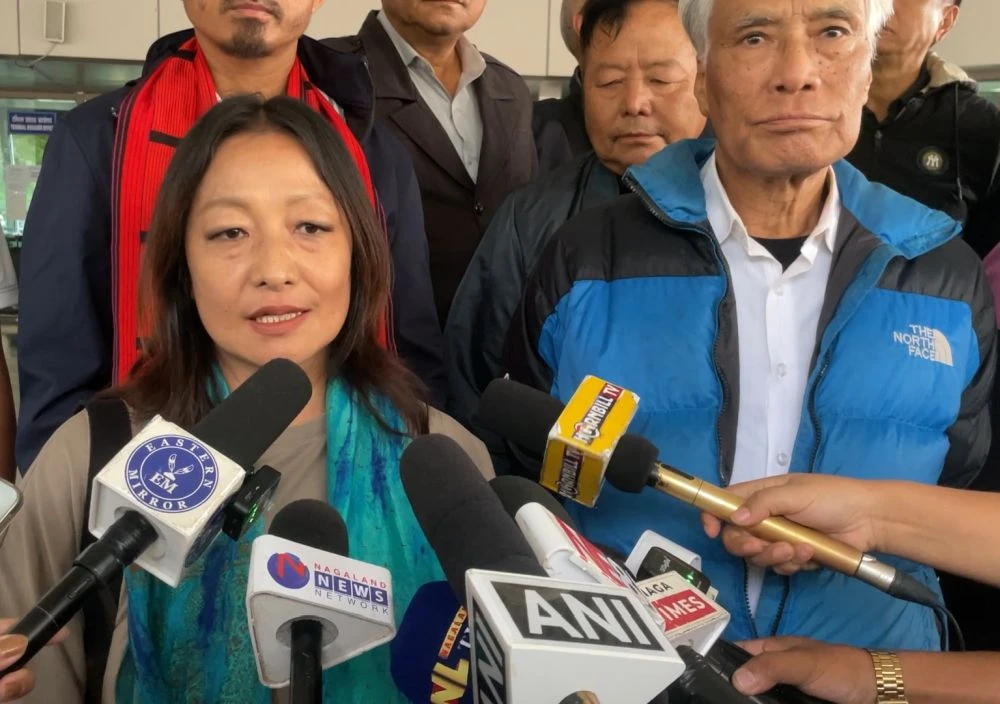
Rev Dr Ellen Konyak Jamir, Coordinator, RRaD said repatriation was an assertion of the Naga right to care for their ancestral human remains, which were taken under duress more than a century ago. She said the process had also enabled both the museum and the Naga people to confront their histories, deepen understanding and reimagine a future of shared humanity.
She informed that a public event would be organised at the designated memorial site at Naga Solidarity Park, Kohima, with details to be announced soon. Describing the occasion as one of mourning and celebration, burial and memory-making, Dr Ellen said it would also mark a time of “reparation and healing for all of us.”
Responding to a question on the nature of the burial rites, Phom said the ceremony would incorporate both Naga traditional customs and Christian practices.
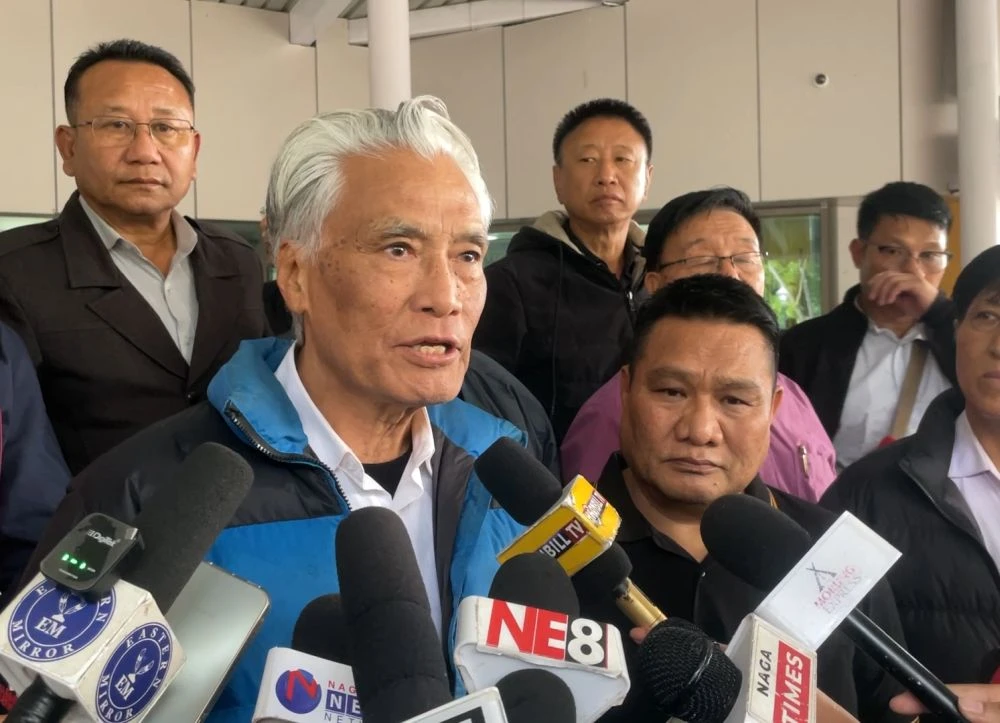
Clarifying the approach, Sanyü said the remains would be buried according to Naga culture and traditions “as Christians,” emphasising that the two were not contradictory.
On concerns reportedly raised by the NNC-FGN over the repatriation process, Sanyü said he had personally discussed the matter with its representatives and explained the process to them.
He said the repatriation process had been underway for six years, adding that the NNC-FGN representatives had not approached them directly and had instead communicated their concerns through newspapers. Dr Sanyü said the matter was clarified when they eventually met in person.