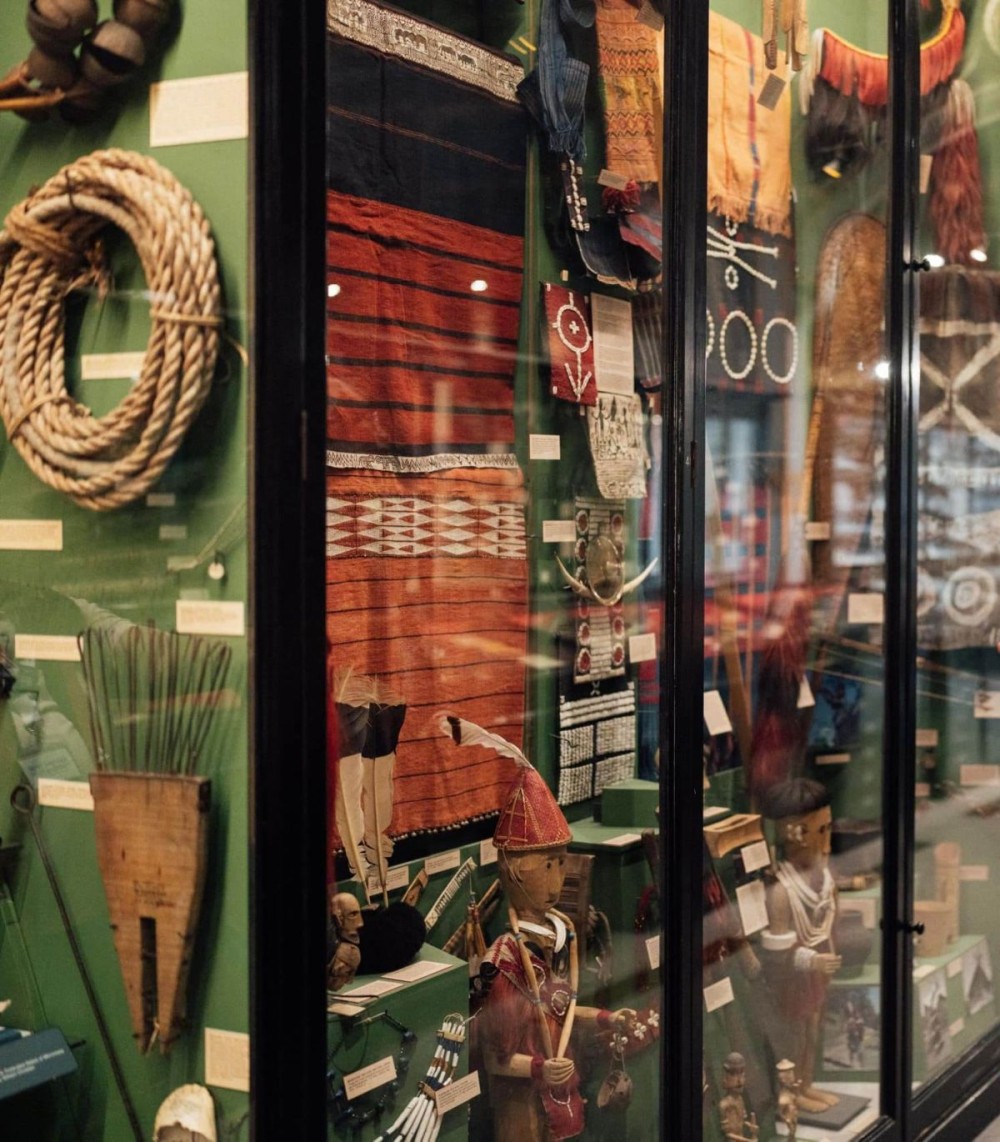
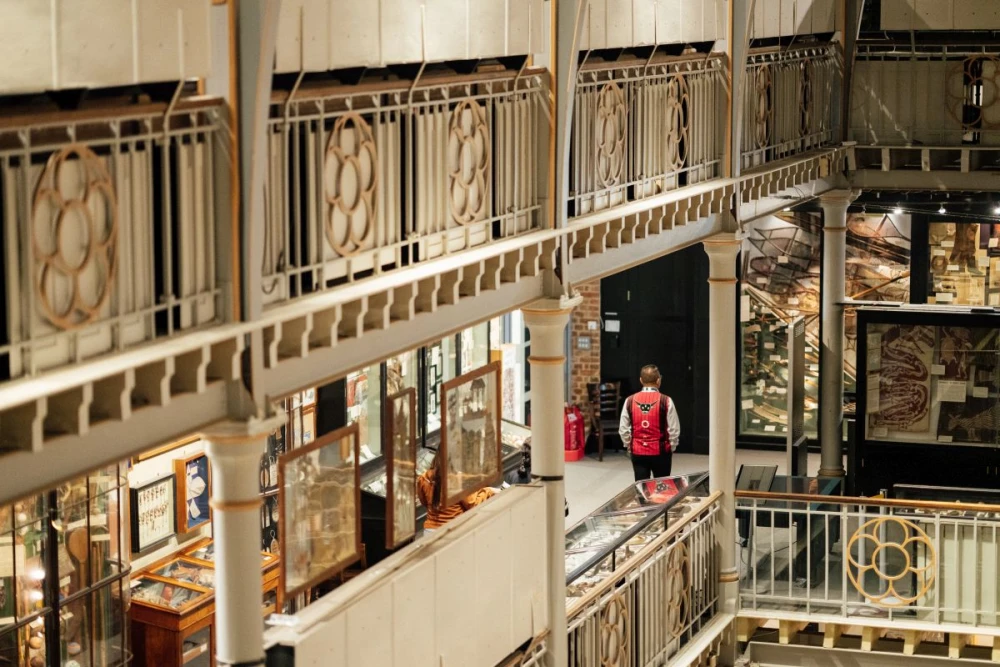
The Pitt Rivers Museum holds the largest collection of Naga material culture anywhere in the world, roughly 6,500 objects, from textiles and basketry to weapons and musical instruments. (Photo Courtesy: Pitt Rivers Museum Media)
The Historic Repatriation - what started as uncharted waters became a journey of discovering, learning and unifying praxis
Akangjungla
Dimapur | September 17
Thirty-nine ancestors, whose skulls were carried out of the Naga Hills by British colonial officers more than a century ago, are coming home. When the announcement finally came at a press conference in Dimapur, Nagaland on September 5, 2026, it was received less as news and more as a celebration of the Naga people as a whole.
It is reportedly the largest repatriation of human remains the Pitt Rivers Museum of University of Oxford has ever carried out, and it makes the Nagas the first indigenous community from India to bring back ancestral human remains from a foreign museum.
For Naga anthropologist Professor Dolly Kikon, who quietly contacted the University of Oxford six years ago and set this entire process in motion, the day carried the weight of a lifetime’s work. “Our ancestors are coming back home… It means a new journey for our ancestors and for the Naga people to come together,” Kikon said with a sense of pure joy.
“Repatriation has been about confronting the colonial violence that has dehumanized indigenous peoples around the world and especially in the Naga context,” she said. “For us, repatriation that started six years ago has been about the return of our ancestral human remains from the Pitt Rivers Museum at Oxford. So one, it’s a big day for us,” she told The Morung Express.
It is also, in a very real sense, a Naga story before it is a museum story, one of the tribe hohos, church leaders, scholars and elders finding, after decades of division, a single voice.
A museum’s reckoning
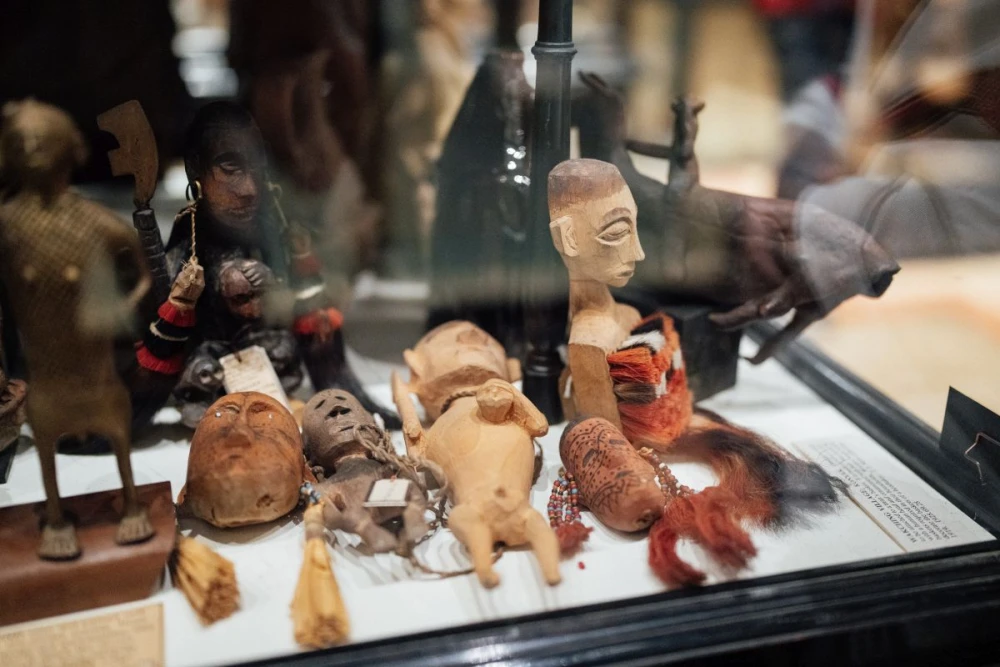
The Pitt Rivers Museum holds the largest collection of Naga material culture anywhere in the world, roughly 6,500 objects, from textiles and basketry to weapons and musical instruments, most of it gathered between 1910 and 1940 by two colonial administrator-anthropologists, John Henry Hutton and James Philip Mills.
Buried within that vast collection were 219 items listed as human remains including 178 objects containing or possibly containing human hair, and 39 ancestral remains, primarily skulls, some of which were, until relatively recently, on public display.
In 2020, the Museum took every human remain off display, a decision that made international headlines and, crucially, opened a door that had never before been open. Reading about it in The Guardian, Kikon reached out to the Museum’s Director Professor Laura Van Broekhoven, and offered to connect Oxford with the Naga Nation.
Consequently, Prof Broekhoven reached out to the Forum for Naga Reconciliation (FNR) to help facilitate and support community dialogue regarding the “future care and return” of Naga ancestral human remains.
What followed, during the early, uncertain months of the COVID-19 pandemic, were online conversations between the Museum and the FNR. The Forum in turn began a process of reaching out to the Naga tribe hohos.
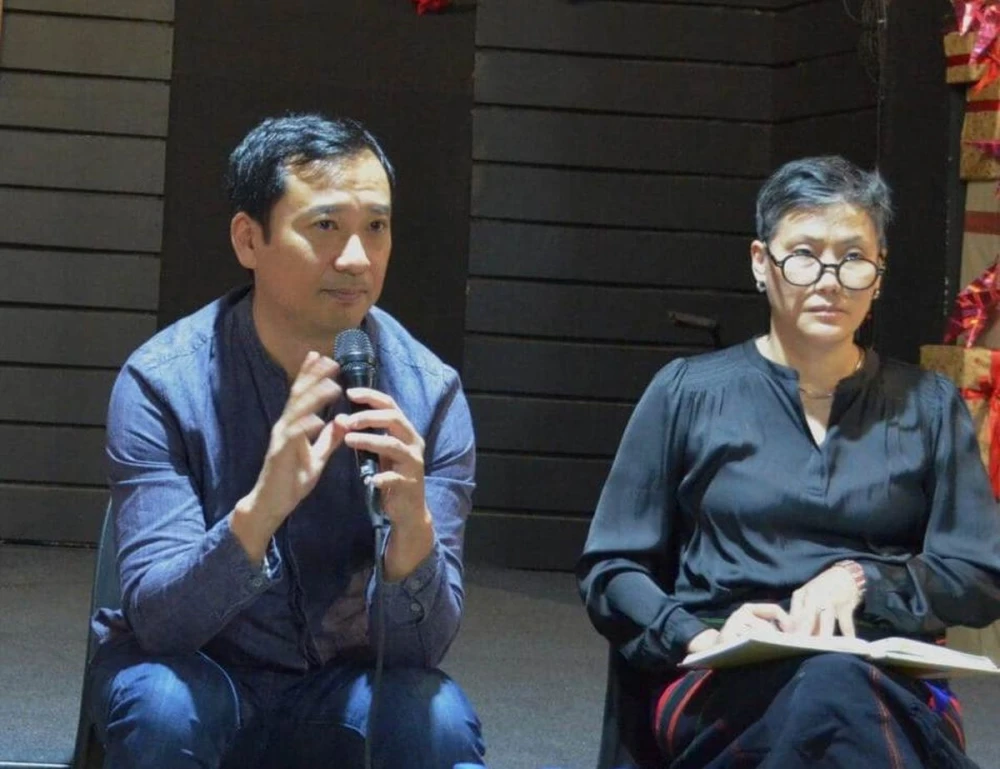
In 2021, together with two Naga university professors, Dolly Kikon in the US and Arkotong Longkumer in the UK, the FNR formed a dedicated team - Recover, Restore and Decolonise (RRaD) to carry awareness building and participatory research with Naga communities across the homeland. That same year, Dimapur hosted a two-day ‘September Dialogue on Naga Repatriation, Decolonisation and Healing” - the first Naga public lecture on repatriation and decolonisation.
The work was never simply about logistics. It meant reopening a history that Naga communities had been forced to leave unspoken.
‘A very meaningful journey’
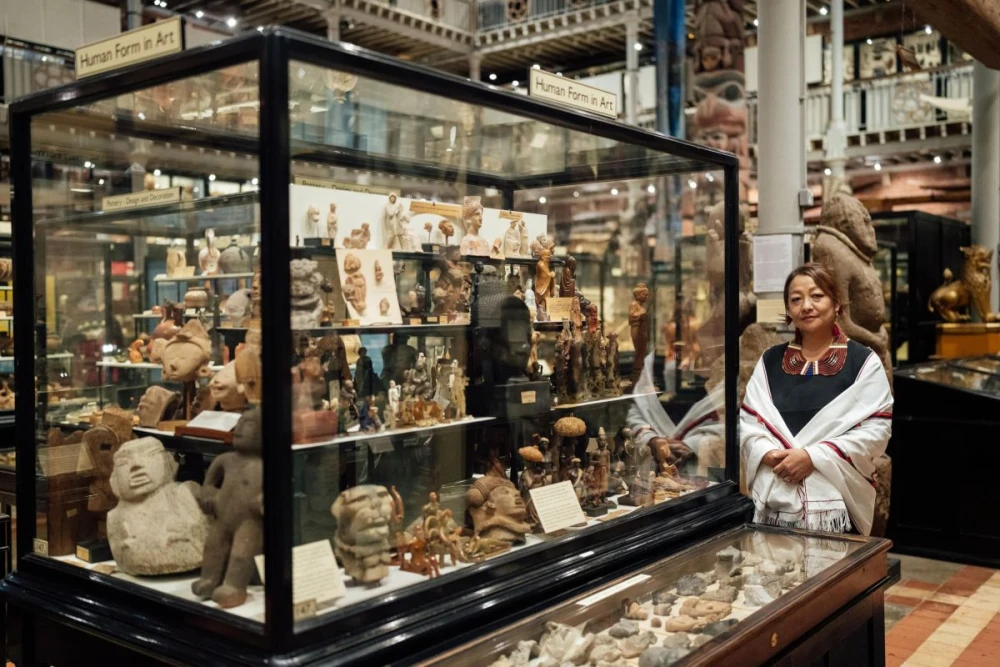
For Rev Dr Ellen Konyak Jamir, Coordinator of RRaD, the process has been transformative in ways she did not anticipate when it began. “For me, repatriation journey has become a very meaningful journey,” she reflected, “in a sense what started out as something totally new, you know, getting into uncharted waters. It has been a journey of discovering, of learning and really of gaining more moral clarity that has led to unifying praxis with my friends, colleagues and the team that I have been working with.”
That unifying praxis was tested, and proven in October 2024, when an Oxfordshire auction house attempted to sell a “Naga Human skull”. Nagaland’s Chief Minister, Dr Neiphiu Rio, publicly condemned the sale; Naga partners and the Museum worked together to stop it; and the episode was serious enough that Lord Boateng and Baroness Black later led a debate in the UK’s House of Lords on preventing the sale and display of human remains. It was a reminder, Museum officials have said, that this work reaches far “beyond any single institution.”
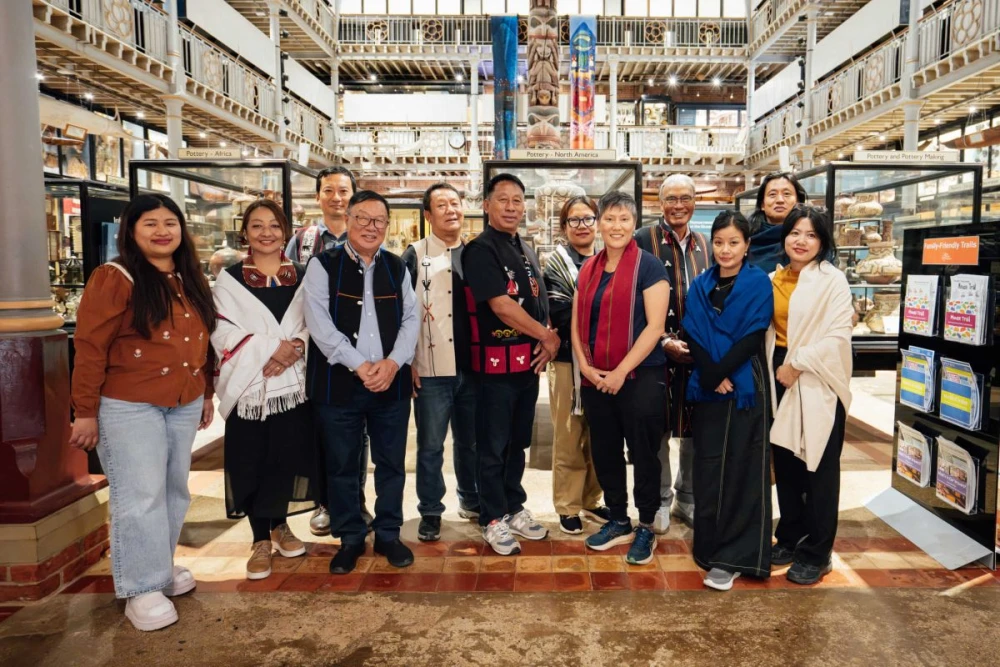
Then, in June 2025, came a moment that had been unthinkable for generations. The first formal Naga delegation in the Museum’s history arrived in Oxford. Leaders and elders from several Naga tribe hohos, together with the FNR and RRaD, were granted access to the ancestral remains for the first time since their removal from display.
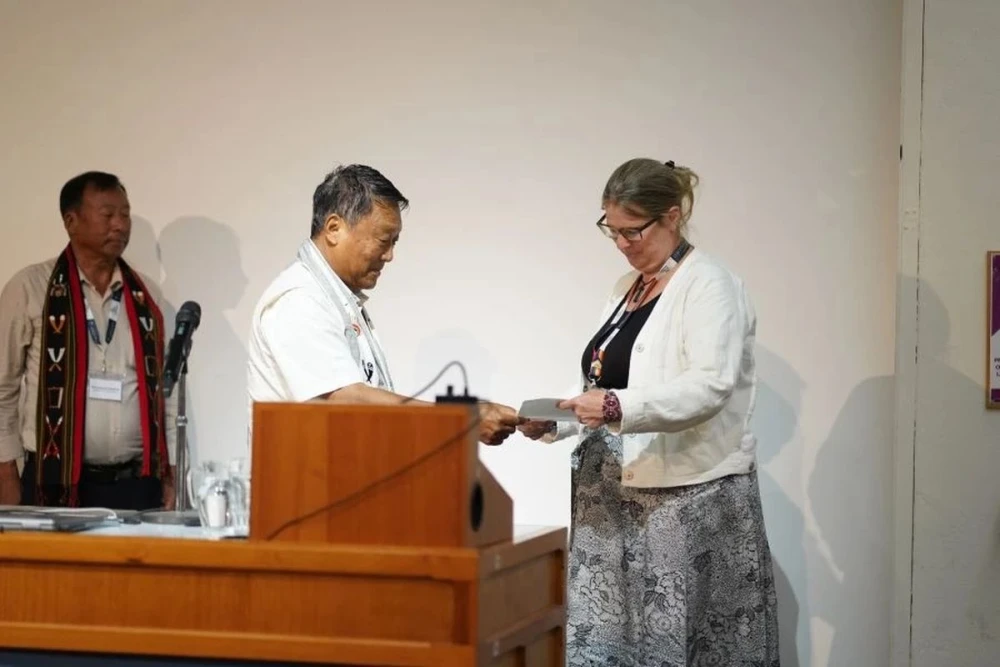
On June 13, at the close of that visit, the delegation issued the Naga-Oxford Declaration on Repatriation, a unanimous, intertribal statement unlike anything the Naga peoples had produced together before.
“We are sorry that it has taken us several decades but we are here now to reclaim and return you to the homelands from where you were taken,” the declaration reads, in part. “We acknowledge that this Repatriation process is towards the healing and wholeness of the Naga people.”
More than a year later, on July 13, 2026, the University of Oxford’s governing Council formally agreed to return the 39 ancestors. One remain was withheld, its provenance as Naga could not be clearly established. The Museum’s director confirmed the decision in writing to the FNR, and the work of bringing the ancestors home could, at last, begin in earnest.
“We hope we can now commence the work - together with the Forum for Naga Reconciliation, the Naga Tribe Hohos, and with the support of the Recover, Restore and Decolonise team - towards the bringing home of the Naga ancestors to their homeland,” Professor Broekhoven wrote in a letter to the Rev Dr Wati Aier, convener of FNR.
Restoring dignity
For many of those who have lived through this process, the meaning of repatriation runs deeper than the physical act of transport. A Peihwang Wangsa, mission secretary for the Konyak Baptist Bemeinok Bangjüm, put it clearly, “Repatriation is the restoration of human dignity and making right the wrong things that have been done to us. So they keep our ancestors’ human remains in the museum as if some other objects but now when we bring them back it will restore the human dignity because we will respectfully bury them and then we will count them as one of us.”
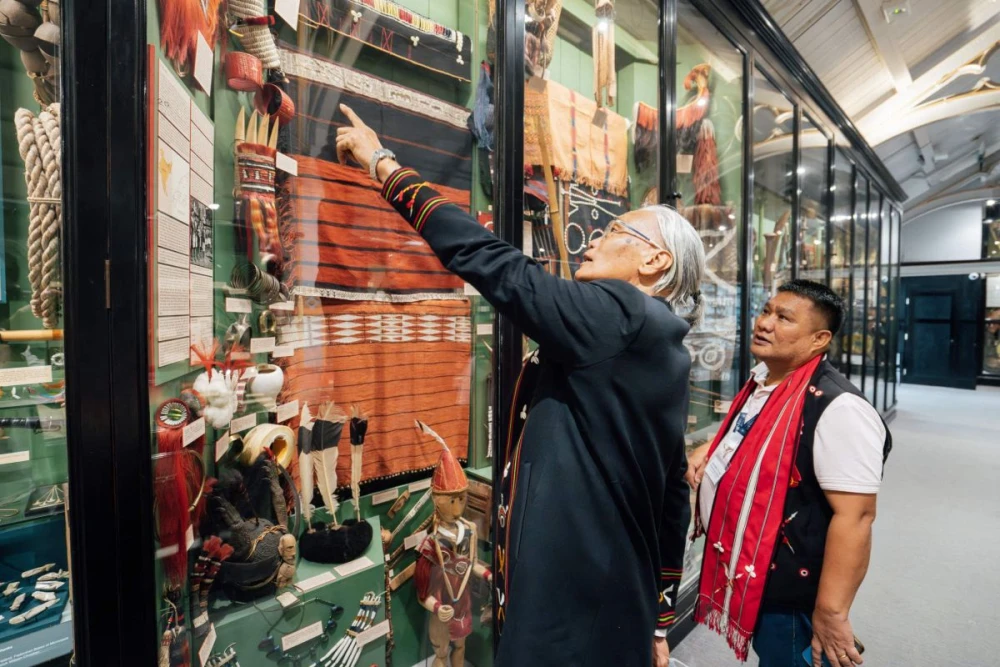
That sense of correcting a historical wrong recurred again and again in conversations with Naga leaders. NT Thamlong Phom, President of Eastern Nagaland People’s Union and Vice-President of Phom People’s Council, explained the remains as spirits still unsettled by a century of dislocation.
“Their spirit is still wandering, and to be displayed in a foreign museum as an object of profit is something very disgraceful,” he said. “Repatriation means to keep a final resting place to our ancestors so that their spirit will have eternal rest and peace.” He added that the process is also “a process of healing for all the Nagas, emotionally, mentally, spiritually,” given how colonial rule had long kept Naga communities divided from one another.
Manngai H Phom, Assistant Professor at Yingli College, Longleng and a member of the RRaD resisted framing the effort as merely a historical or political correction. “It is about the reconciliation which the abbreviation RRAD stands for - Recover, Restore and Decolonise,” he said. “Not just to talk about the bringing back of human remains but also to reconcile within us the unfinished and the silenced narrative that we have had, which has been buried for a long time.”
He pointed, too, to a striking decision made collectively by Naga communities, rather than return each ancestor to an individual village or home; they chose a single, shared burial site. “That also shows the decision that Nagas have taken together,” he said, “which eschews the idea of not working on the unresolved past but rather it talks on the question of unity.”
A step toward wholeness
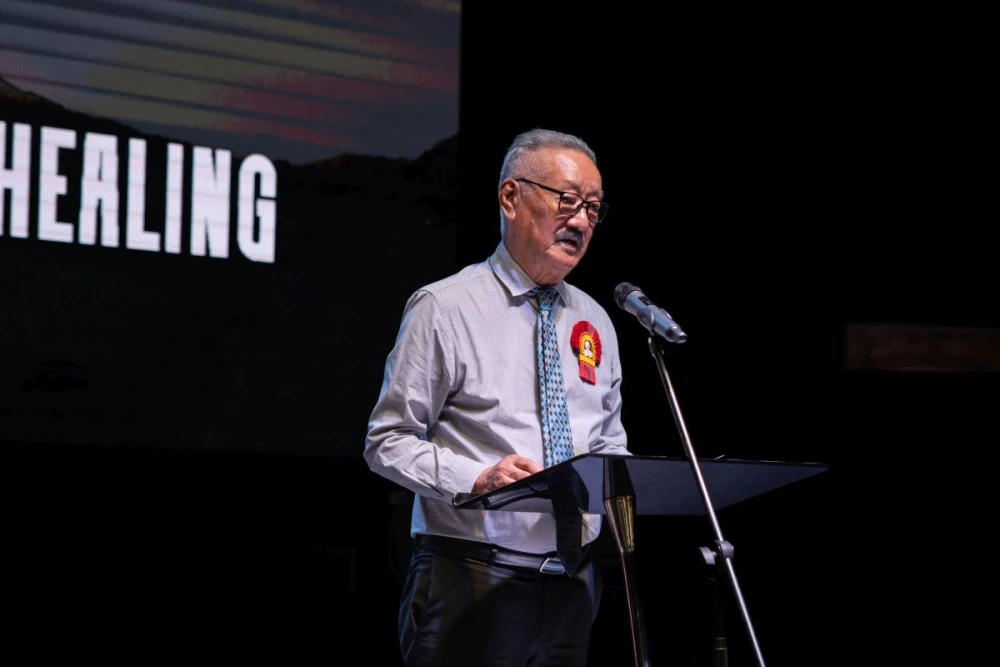
The repatriation must be understood as more than a logistical exercise, the FNR Convenor Rev Dr Wati Aier said, explaining the process as one rooted in healing, hospitality and Naga spiritual tradition.
Dr Wati had delivered the keynote address during the third edition of the September Dialogue held on September 5, 2026, at The Lighthouse Church, Dimapur, focusing on the theme “Returning to Wholeness through Healing.”
He said the return carried “two inseparable dimensions” - receiving the ancestors and extending them the honour they were due. “To return to wholeness through healing without truly receiving our ancestors risks continuing the colonial narrative, reducing repatriation to a symbolic gesture without relational depth,” Dr Wati said, adding that acting merely as a passive receiver, without extending Naga hospitality, would equally dishonour the remains.
He cautioned against “othering” the ancestral remains, saying the exercise was not purely symbolic but would be carried out through sacred rites intended to bring communities together and reaffirm collective values.
The vision guiding the repatriation, he said, was “uniquely contextual” and rooted in Naga tradition rather than borrowed frameworks. The relationship between the “receiver” and the “received,” Aier said, needed to move beyond a bureaucratic understanding of repatriation towards one that is “spiritual, relational, and deeply rooted” in Naga identity.
“To return our ancestors is not simply to move them from one place to another. It is to take a step toward wholeness,” Dr Wati emphasised.
One homeland, one resting place
That shared memorial, mentioned in the Naga-Oxford Declaration as “a Naga monument of healing and peace for all generations, symbolising the oneness of the Nagas” is perhaps one of the most remarkable outcome of this six-year process.
Naga elder and President of Angami Public Organisation, Thejao Vihienuo called the effort “a very sentimental process” and “a sacred journey,” one meant not only to give the ancestors a “peaceful and respectful rest,” but to help the Naga people “correct the past, heal our wounds and also decolonize the colonial mentality in us.” Above all, he said, it is a chance for “all Nagas to come forward and strengthen the oneness of the Nagas.”
For ‘the homecoming’, the Pitt Rivers Museum said it is now “working closely with the Nagas to agree a date for the repatriation, when the Museum will host a Handover Ceremony marking the return of the ancestors, who will finally travel home to Nagaland.” A Naga delegation is planning to travel to Oxford to accompany them home. The homecoming is supported by the Homebound Project.
There, in the Naga homeland from which they were taken between 1910 and 1940, as often records suggest, acquired during punitive military expeditions rather than freely given, they will finally be laid to rest.
It closes one chapter of a much longer reckoning. The Museum’s collection still holds 178 objects containing or possibly containing human hair, whose fate remains under discussion, alongside thousands of other items of Naga material culture. But for now, the story belongs to the 39 who are, at last, coming home, and to the generation of Naga people who refused to let their memory remain someone else’s exhibit.
As Kikon puts it, “It truly means a celebration of what the Naga people can do together when we come together and when we are united.”
And these words reflect the conviction voiced by the Naga Tribe Hohos and FNR–RRaD during the press conference: “Repatriation, for the Nagas, is not simply about bones and ancestral remains finding their way back to the land, but importantly it is about memory returning to where it belongs. It is an essential step of a longer journey towards justice and dignity, and towards healing and wholeness. Through this journey, we bring back the light of our ancestors that was dimmed but never extinguished. We pray that it will only grow stronger with every passing generation.”