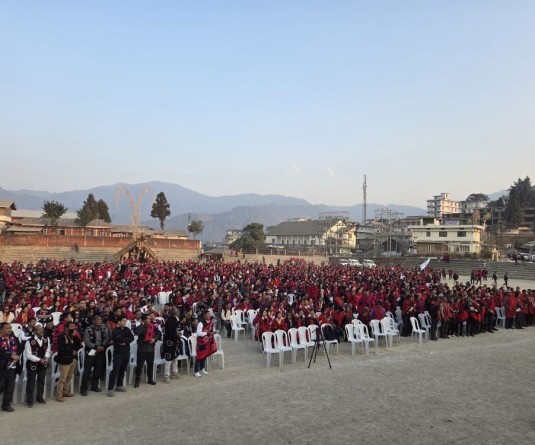
A view of Pfutsero where several organisations have been opposing the proposed setup of an advanced Mountain Radar System.
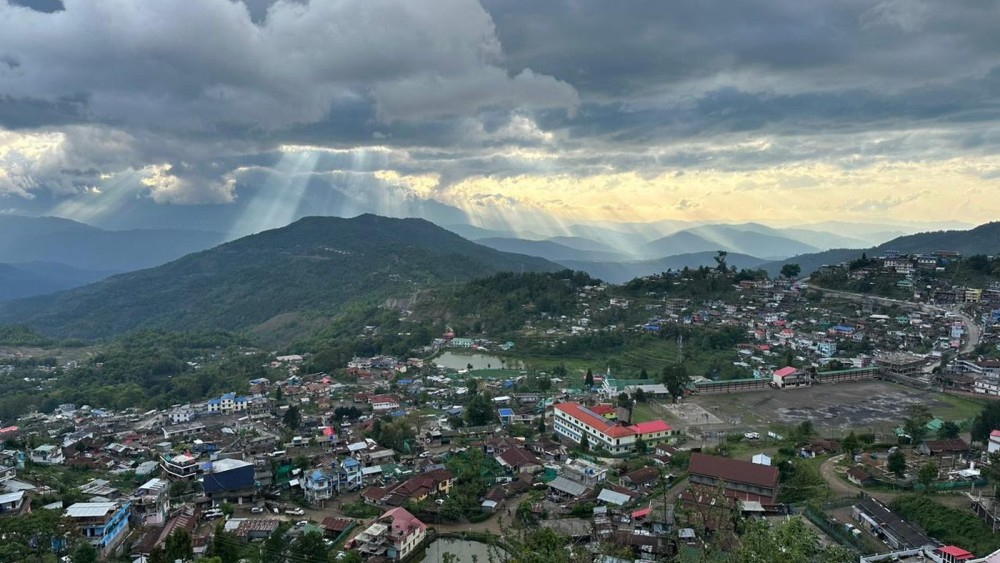
KOHIMA, MAY 7 (MExN): The Razeba Public Organization (RPO) today said that the proposed installation of an advanced Mountain Radar System of the Indian Air Force at Pfutsero carries a high risk of biodiversity loss and disruption to endemic flora and fauna that sustain the ecological balance of the region.
In a press statement, the RPO conveyed its “considered and unequivocal opposition” to the proposed project and expressed full solidarity with the Chakhesang Public Organisation (CPO) and the people of the region over what it described as serious concerns regarding the project’s long-term environmental implications and adverse impact on sustainable tourism.
The organisation stated that Pfutsero and its surrounding areas constitute “a fragile highland ecosystem of significant ecological value within Nagaland,” and maintained that the proposed installation would involve extensive land alteration, vegetation clearance, and related infrastructure development that could lead to irreversible changes in the natural landscape.
It further stated that the operational footprint of the radar system, including “electromagnetic emissions and continuous mechanical activity,” raises concerns regarding possible impacts on wildlife behaviour and habitat stability.
“Given the sensitivity of this environment, the cumulative ecological cost warrants rigorous, transparent, and independent environmental assessment,” the RPO stated.
The organisation also said the proposal presents a direct challenge to Pfutsero’s emerging eco-tourism economy, noting that the area’s scenic landscape, climatic appeal, and tranquility form the foundation of its identity as a tourism destination.
“The introduction of large-scale defense infrastructure, along with attendant restrictions and disturbances, would materially diminish its attractiveness, thereby affecting livelihoods that depend on community-led tourism and small-scale enterprises,” it stated.
The RPO further registered its opposition to what it termed the use of indigenous land for militarisation without the “prior and informed consent of the local communities.”
According to the organisation, the proposed project raises concerns regarding “land rights, community autonomy, and the long-term social consequences of converting civilian landscapes into strategic installations.”
“Development and national security objectives must be pursued in a manner that respects the rights, identity, and aspirations of the people who inhabit these lands,” the statement said.
In light of the concerns raised, the RPO urged the competent authorities to reconsider the siting of the project and ensure that any decision is preceded by “comprehensive impact assessments and meaningful stakeholder consultation.”
The organisation reiterated its support to the CPO and called for a “transparent, accountable, and environmentally responsible decision-making process.”