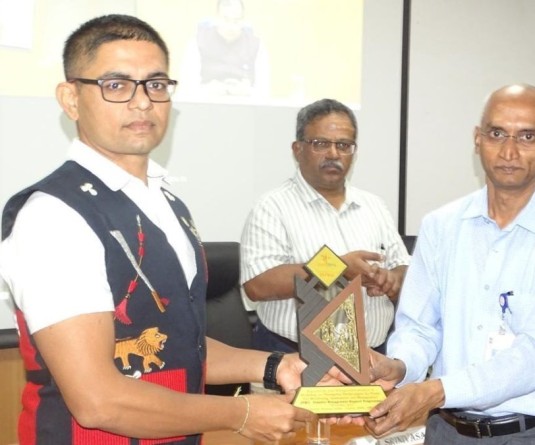
Neisazo Yashu
Liaison officer Hiekha +NagaNext Education Initiatives
Nagaland stands at a quiet turning point. While the world rushes toward cities and digital dreams, our land still whispers something deeper a promise rooted in soil, forests, and life itself. Agriculture, forestry, and horticulture are not just subjects of study here; they are the heartbeat of our identity and the key to our future.
For generations, agriculture has sustained the people of Nagaland. From terrace farming to jhum cultivation, our farmers have worked with nature, not against it. Today, the scope of agriculture is expanding beyond survival into opportunity. With scientific methods, organic farming, and agri-entrepreneurship, young people can transform farming into a respected and profitable career. Nagaland’s organic potential is powerful, and the demand for chemical-free produce is growing across India and beyond.
Forestry holds an even deeper significance. Our forests are not just resources; they are sacred, cultural, and life-giving. In a time when climate change threatens the world, Nagaland has the responsibility and the opportunity to lead in sustainable forest management. Forestry education can open doors to conservation careers, environmental protection, wildlife management, and even global climate initiatives. Protecting our forests is not just about saving trees it is about protecting our future generations.
Horticulture, too, is blooming with promise. Nagaland’s climate is ideal for fruits, flowers, spices, and medicinal plants. From exotic orchids to organic pineapples and king chillies, the state has unique products that can reach national and international markets. With proper training, packaging, and marketing, horticulture can become a powerful source of income and entrepreneurship for the youth.
But the real story is not just about opportunities it is about mindset. For too long, many have looked at these fields as “lesser” careers. That thinking must change. The world today values sustainability, organic living, and environmental balance — things Nagaland already has. What we need now is education, innovation, and belief in our own land.
Institutions offering courses in agriculture, forestry, and horticulture are not just teaching subjects; they are shaping a generation that can rebuild Nagaland from its roots. These fields offer dignity, purpose, and a future that is both economically strong and environmentally responsible.
The question is no longer whether these fields have scope. The question is will we rise to meet the opportunity?
Nagaland does not need to chase the world. It needs to realize that it already holds something the world is searching for.
A future rooted in nature. A future that grows.