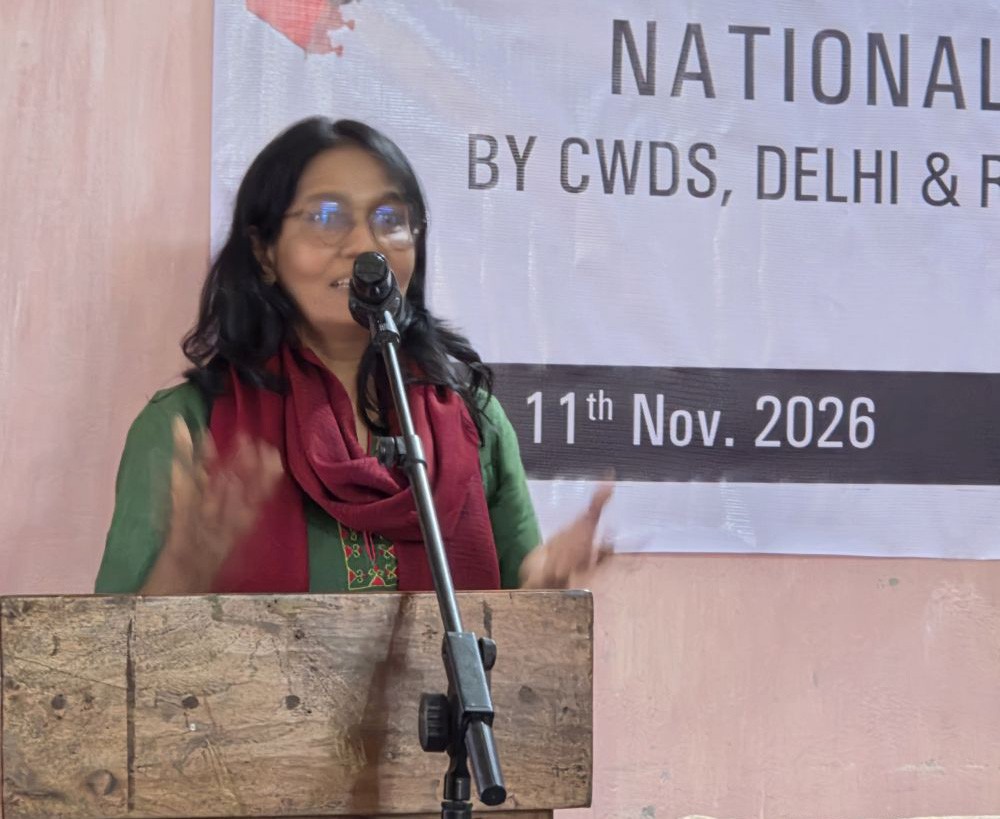
Project Coordinator, Prof Neetha.
Morung Express News
Kohima | November 11
Keeping the voices of women at the heart of its project, a one-day national workshop on “Threads of Tradition: Celebrating Women Weavers” was held at the Cradle Ridge Hall, Seithogei, Kohima on November 11.
The ongoing research project, a collaboration between the Centre for Women's Development Studies (CWDS), Delhi and Rosa Luxemburg Stiftung (RLS) South Asia Office, is documenting the lives of select women weavers from Angami, Chakhesang, Rengma and Yimkhiung tribes of Nagaland.
In her address, Project Coordinator Prof Neetha noted that weaving has a long history especially in the North-East where it is specific to communities that are there encompassing its history, the process, the design, etc.
She underlined that the project essentially seeks to capture women’s voices by documenting the stories of women weavers themselves, stressing the importance of giving them a platform to share their own experiences.
With the local team in the state, their voices are being directly captured through qualitative interviews, she added.
Women, Prof Neetha further underscored, are knowledge bearers, who are transferring skills to the next generation.
Drawing on visits and interactions with women weavers from the four tribes, she noted that each woven cloth serves as a social marker through its colours, geometric patterns and motifs.
She added that the textiles were also markers of tribal identity, social hierarchy, gender, age, and important cultural events and achievements.
Beyond these, Project Coordinator asserted that it is a source of livelihood for women.
Taking the art forward, she noted that traditional weaving faces competition from cheaper mass-produced products and the growing use of synthetic materials, adding that the project seeks to examine how these trends “actually been intersecting with traditional weaving.”
With regard to many government schemes, she observed that many often fail to reach the women who are genuinely deserving of the benefits.
She said the project would help identify why government schemes were failing to reach deserving women weavers, while documenting their stories, the challenges they face and their perspectives on the future.
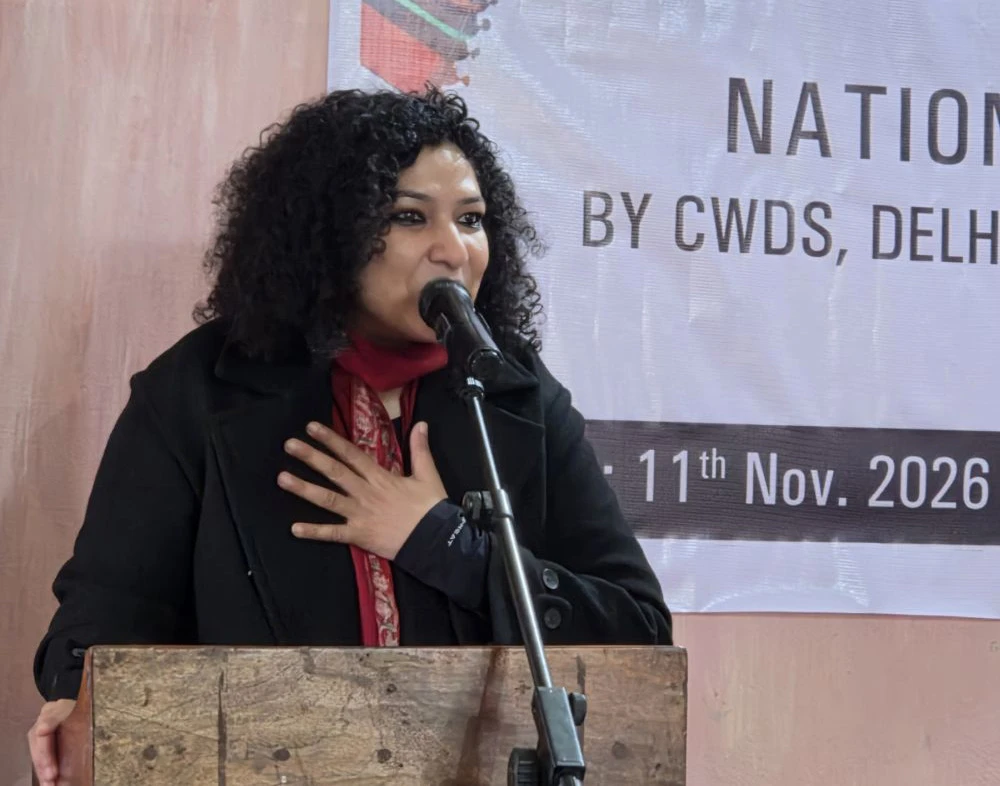
Prof Neeha Nagvi RLS, South Asia Office also echoed similar sentiments while honouring the indigenous lived realities and asserted weaving is not just the livelihood of the women but also their labour of love.
Abeni TCK Lotha, Advisor to Naga Mothers Association shared about her interest in weaving and textiles ever since she was a little girl.
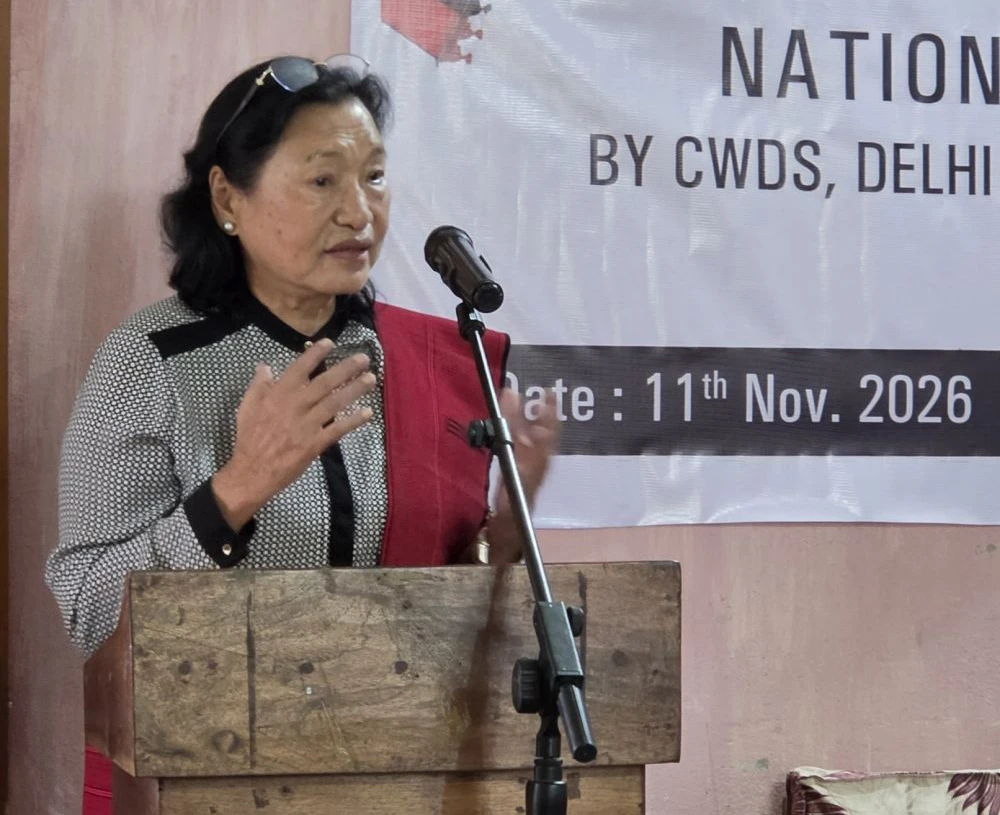
Referring to Nagaland’s oral traditions, she stressed the need for documentation and highlighted her book, “Oying Motsü: The Story of Our Threads,” which features several textile designs conceptualised by her.
Lotha also called for preserving the rich heritage of our forefathers in this regard while stating that it is our treasure and main economy.
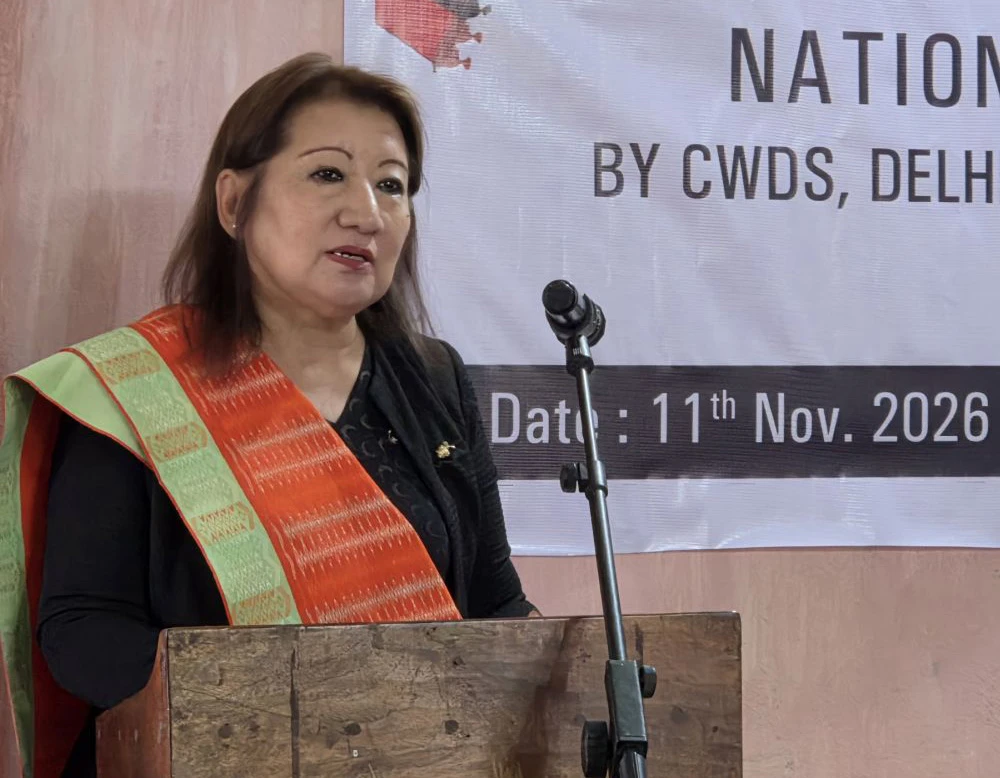
Earlier, in her welcome note, Prof Rosemary Dzüvichü, Director, Centre for Peace and Gender Studies, Kohima took the audience through the concept of the workshop and further underlined the need for government schemes to reach the deserving women weavers in the villages across Nagaland.
Highlights of the workshop included Interactive Sessions with Angami Weavers and Yimkhiung Weavers, Chakhesang Weavers and Government Officials.