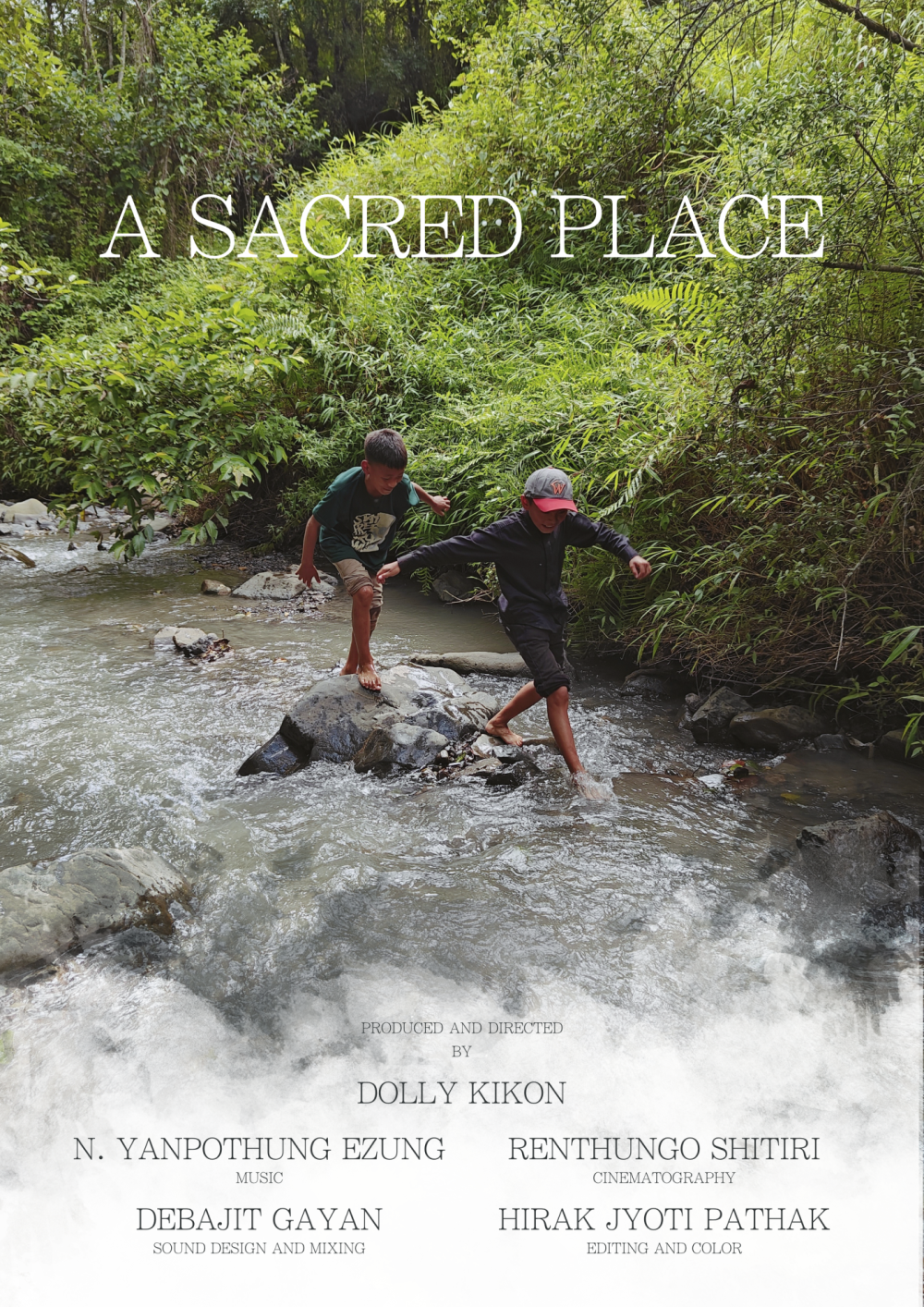
Mao Naga Hoho Dimapur and The Morung Express will co-host the screening at The Lighthouse Church.
Morung Express News
Dimapur | August 31
A documentary exploring the spiritual and geological history of a Naga village in Manipur will be screened in Dimapur on Friday, part of a series of showings that has carried the film from a small mountain town to university campuses across the region and the United States.
“A Sacred Place,” directed and produced by Naga anthropologist, Professor Dolly Kikon is set to screen on September 4 from 2 to 3:30 pm at The Lighthouse Church in Hill View Colony, Dimapur. The event is being co-hosted by the Mao Naga Hoho Dimapur and The Morung Express and is open to the public.
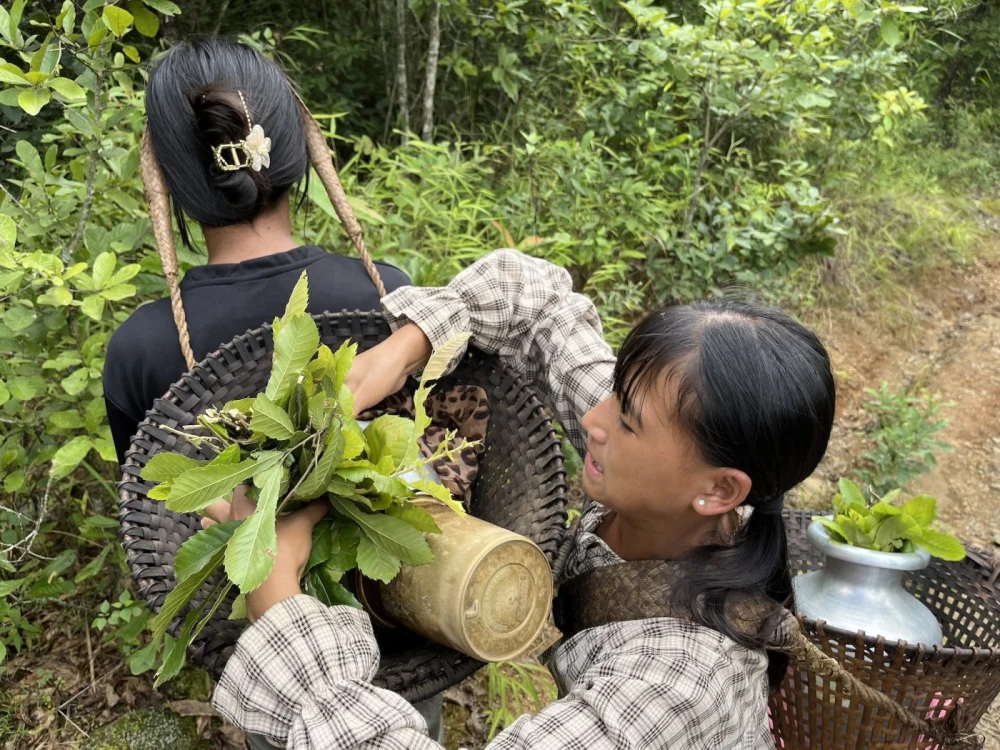
The film centers on Makhel, a village in northern Manipur whose name means “a sacred place” in the Mao Naga language. The film focuses on intergenerational storytellers and their relationship with the land. It integrates visual ethnography, oral tradition and geological features of Makhel to center Indigenous pedagogy, community history and ecology.
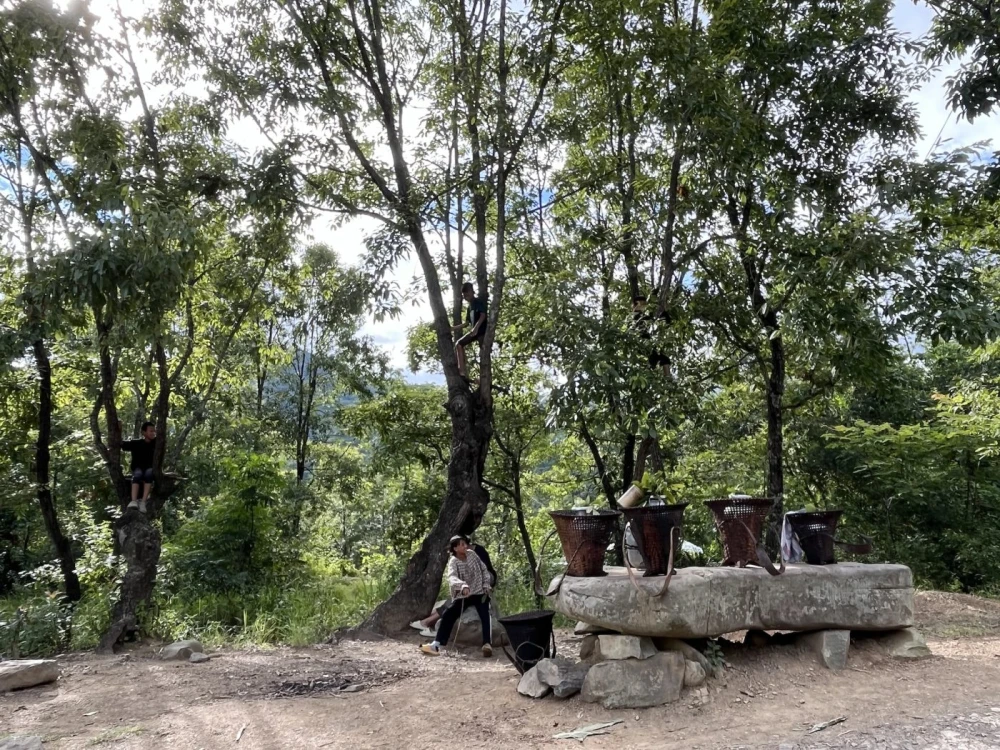
According to the filmmaker, the sandstone monoliths represent an ancient alliance between spirits and humans, while the salt springs, pockets of ancient seawater trapped in shale, preserve a geological record dating back roughly 50 million years, when the area lay beneath an equatorial ocean. “Naga ancestors regarded these geological features as abodes for spirit custodians and cared for them.”
“A Sacred Place” grew out of Lithic Worlds, a research initiative Kikon co-created with geologist Neivikhotso Chaya that reflects and engages with Indigenous epistemologies and philosophies of connections to land. It combines ethnography, oral traditions, and geological knowledge of the Naga ancestral homeland in the Eastern Himalayan region. The project emphasizes Indigenous pedagogy, collaboration with teachers, and creative education to advance a layered understanding of the Naga world.
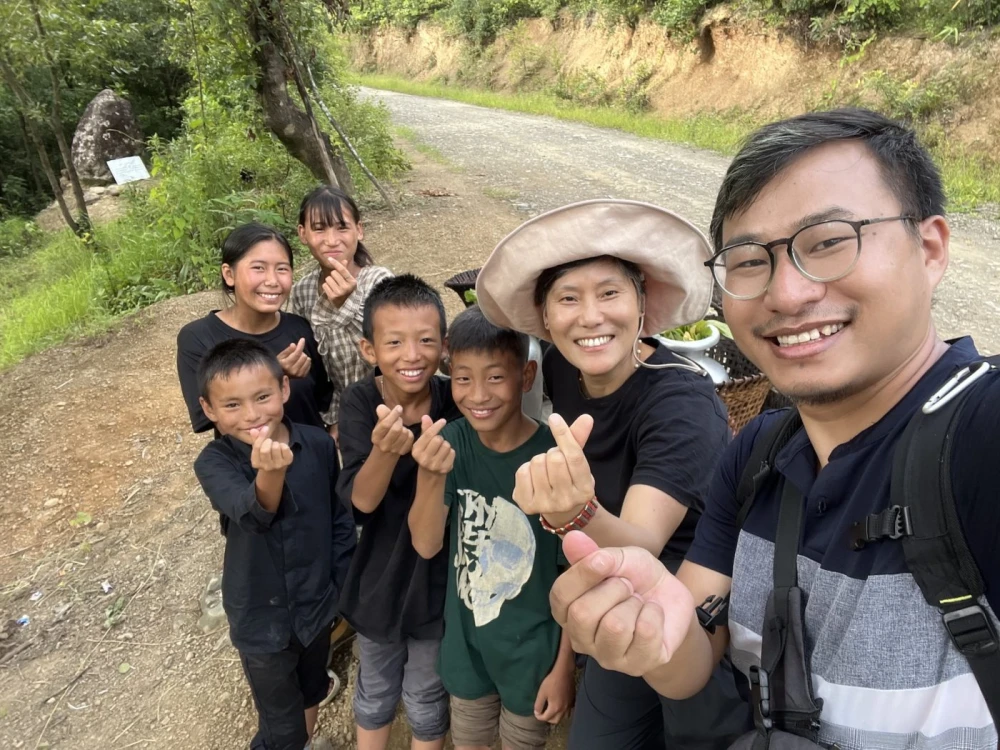
Kikon, a professor of anthropology at the University of California, Santa Cruz, has previously directed “Abundance: Living with a Forest” (2024) and “Seasons of Life” (2020). The new film’s credits include music by N Yanpothung Ezung, cinematography by Renthungo Shitiri, sound design and mixing by Debajit Gayan, and editing and color work by Hirak Jyoti Pathak.
The film had its world premiere April 18 at the Asufii Christian Institute in Mao. An event organizer said was intended to honour local storytellers and land custodians and to highlight ethical research practices. The screening drew Mao Naga community members across generations.
Three days later, on April 21, the film had its US premiere and official launch, accompanied by a discussion hosted by SEACoast, the Center for South Asian Studies and the Humanities Institute.
The documentary reached Nagaland on April 25, when the Tribal Research Centre at Nagaland University organised a screening at the university’s Lumami campus, drawing faculty, research scholars and students in both in-person and online formats.
On August 17, the sociology department at St Edmund’s College in Shillong, in collaboration with the college’s Internal Quality Assurance Cell, held a screening at the college’s Shannon Hall. Attendees included Ashiho A Mao, vice chancellor of Martin Luther Christian University in Shillong, along with several academics and writer Janice Pariat, according to the college.
The Dimapur screening will mark the film’s latest stop as it continues to circulate among academic and community audiences in the region.