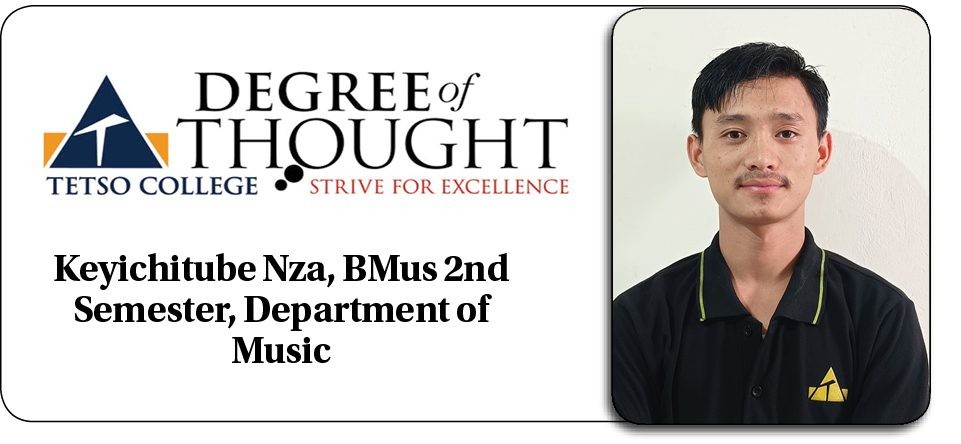
The Baroque period (roughly 1600–1750) was a time of great creativity and change in music. Composers began to focus more on expressing emotions clearly and powerfully. One of the most important ideas that guided this approach was the Doctrine of Affection (also called Doctrine of the Affections). This concept shaped how music was composed, performed, and understood during the Baroque era. The Doctrine of Affection is the idea that music should express a specific emotion or mood, known as an “affection.” These emotions could include feelings like joy, sadness, anger, love, or fear.
Baroque composers believed that music had the power to influence the listener’s emotions and even their physical state. According to this doctrine, a single piece of music (or a movement within a larger work) should focus on one main emotion rather than changing moods frequently; a unit of mood was a significant characteristics of the Baroque music. This is very different from later musical styles, where emotions may shift quickly.
The Doctrine of Affection was influenced by ancient Greek and Roman ideas about rhetoric and emotion. Philosophers believed that speech and art could move people’s feelings, and Baroque musicians applied this idea to music. During this period, composers also studied human psychology and tried to understand how different sounds could trigger emotional responses. As a result, music became more expressive and intentional. Baroque composers used several musical elements to express specific emotions. These include:
1. Melody
Melodies were designed to reflect the chosen emotion. For example, smooth, flowing melodies often represented calmness or love. Sharp, jagged melodies could suggest anger or excitement.
2. Rhythm
Rhythm played an important role in creating mood, such as slow, steady rhythms being used for sadness or seriousness. Fast, lively rhythms expressed joy or energy.
3. Harmony
Harmony refers to how chords are used. Major keys were commonly associated with happiness or brightness. Minor keys were linked to sadness or darkness.
4. Dynamics
Although Baroque music did not use gradual changes in volume as much as later music, composers used sudden contrasts (called terraced dynamics) to highlight emotions.
5. Instrumentation
Different instruments were chosen based on their emotional qualities. The violin could express both joy and sorrow. The harpsichord provided a rich, steady background. Trumpets were often used for royal or heroic feelings.
Performers in the Baroque period were expected to understand the emotion of a piece and communicate it clearly to the audience. They often added ornamentations (decorations) such as trills, turns, mordents, etc., to the music, which helped enhance expression.
Unlike modern performances that focus strictly on following the written score, Baroque performers had more freedom to interpret the music. This made each performance unique while still staying true to the intended affection.
Many famous Baroque composers followed the Doctrine of Affection in their works, such as Johann Sebastian Bach, who often used musical patterns to express deep religious emotions. George Frideric Handel used strong rhythms and bold melodies to express power and celebration, especially in his operas and oratorios. Antonio Vivaldi used lively rhythms and bright melodies to convey energy and excitement, especially in his concertos.
In Vivaldi’s The Four Seasons, each movement expresses a clear mood, such as the joy of spring or the harshness of winter. This is a great example of how the Doctrine of Affection works in practice.
The Doctrine of Affection played a key role in shaping Baroque music. It helped composers create music that was expressive, organised, and emotionally powerful. It also influenced the development of musical forms like opera and oratorio.
Even today, understanding this doctrine helps musicians perform Baroque music more accurately and meaningfully. The Doctrine of Affection is a central idea in Baroque music that emphasises the clear and focused expression of emotion. By using elements like melody, rhythm, harmony, and instrumentation, composers were able to create powerful emotional experiences for listeners. The Doctrine of Affections reminds us that music isn't just sound, it's emotional engineering. Therefore, Baroque composers did not leave feelings to chance; they composed them.
Another important aspect of the Doctrine of Affection was its connection to vocal music and text expression. In Baroque opera, cantata, and oratorio, composers carefully matched musical gestures with the meaning of the words. This technique, often called word painting, allowed music to reflect specific emotions described in the text. For example, rising musical lines could represent hope or joy, while descending lines suggested sorrow or despair. Composers aimed to make the listener feel the emotion instantly through sound. In this way, music functioned almost like emotional speech, communicating feelings clearly and directly without needing explanation or interpretation from the audience.
The influence of the Doctrine of Affection continued beyond the Baroque period and shaped later musical developments. Although Classical and Romantic composers explored changing emotions more freely, the Baroque emphasis on emotional clarity remained an important foundation for Western music. Modern performers and scholars still study this doctrine to understand historical performance practice and musical intention. By recognising how composers organised sound to affect human feeling, listeners gain a deeper appreciation of Baroque works. The doctrine teaches that music is not only an artistic creation but also a powerful emotional language capable of connecting composer, performer, and audience across time and culture.
Degree of Thought is a weekly community column initiated by Tetso College in partnership with The Morung Express. Degree of Thought will delve into the social, cultural, political and educational issues around us. The views expressed here do not reflect the opinion of the institution. Tetso College is a NAAC Accredited UGC recognised Commerce and Arts College. The editorial team includes Chubamenla, Asst. Professor Dept. of English and Rinsit Sareo, Asst. Manager, IT, Media & Communications. For feedback or comments please email: [email protected]