KOHIMA, MAY 24 (MExN): The process of separation of judiciary from executive may be further delayed as almost all tribal Hohos, NGOs and even the district administration and police felt that, though they have no objection to separation of the two organs, it should be done slowly, and only after careful examinations.
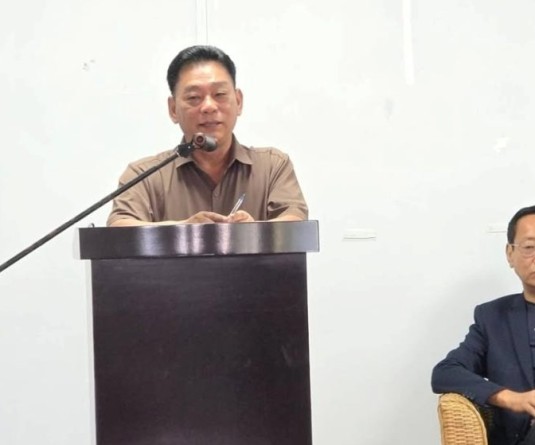
The consultative meeting held here today at the ATI Auditorium, involving almost all tribal hohos, civil societies, student bodies, districts administration, senior police officials, GBs, DBs, law department officials, and lawyers, expressed fear that separation of judiciary from executive would dilute Naga customary law and practices.
Despite of all the attempts made by the Justice and Law officials, which included the voices of Parliamentary secretary Yitachu, Commissioner TN Mannen, Principal Secretary Banuo Z Jamir and KN Chishi, Addl. Secretary Law, that the separation of judiciary from executive means safeguarding of independent judicial system, free from all outside pressures, executive, political or otherwise, and would have no adverse affect on customary law and practices, the participants, amidst confusion, especially all the tribal hohos, GBs and Dobashis expressed apprehension that it would undoubtedly dilute the purity of the Naga customary law, and they all asserted that the separation process should be carried out steadily only after careful examinations.
Even the deputy commissioners, who are at the helm of affairs, too felt that separation of judiciary from executive would pose numerous practical difficulties, as such implementation should be done in slow manner.
Though, the police department said that separation of judiciary from executive would have no impact on them as they were playing their role, however, they too felt that the issue when implemented would surely create practical difficulties, and it would also bring conflicts between the customary law and fortified laws.
Nagaland Bar Association, High Court Bar Association sternly supported the separation of the two organs.
The NMA, NSF, NPMHR and Dimapur Naga Council also came in the same line.
NMA felt that if the separation of the two organs would mean strengthening of justice and protection of customary law, one should not be to rigid, but suggested holding awareness campaign. NSF and NPMHR strongly supported the move to separate the judiciary from the executive, while the Naga Council too said that they have no objection, but cautioned that it should be carry out carefully.
The department of Law and Justice dispatched about 54 questionnaires last year amongst the different Organizations to gather their views and opinions on the issue, out of which 49 responded in favour of separation, while only 5 responds were against the separation.
Source said that the Supreme Court has issued directive to the Nagaland government, asking to expedite the separation process or face action. It is also said the cabinet has also deliberated, however, decided to refer the separation issue to the state Assembly for final decision.
Today consultative meeting was attended by almost all tribal hohos, government departments, students and civil societies representatives, which included Naga Hoho, Eastern Naga Peoples’ Organization, Dimapur Naga Council, Angami Public Organization, Ao Senden, Chakhesang, Lotha, Phom, Kuki, Pochury, Sangtam, Yimchunger and Zeliangrong Hoho, NSF, NPMHR, Naga Mothers’ Association, Nagaland DBs’ Association, GBs Federation, Village Chiefs’, High Court Bar Association, Nagaland Bar Association, Nagaland Judicial Officers Association and Public Prosecutors, Deputy Commissioners, and senior officers from police department.