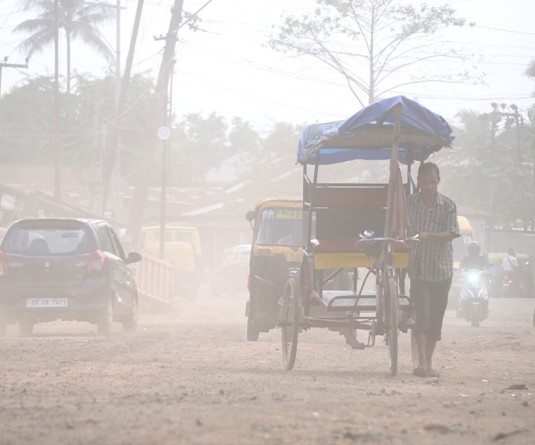
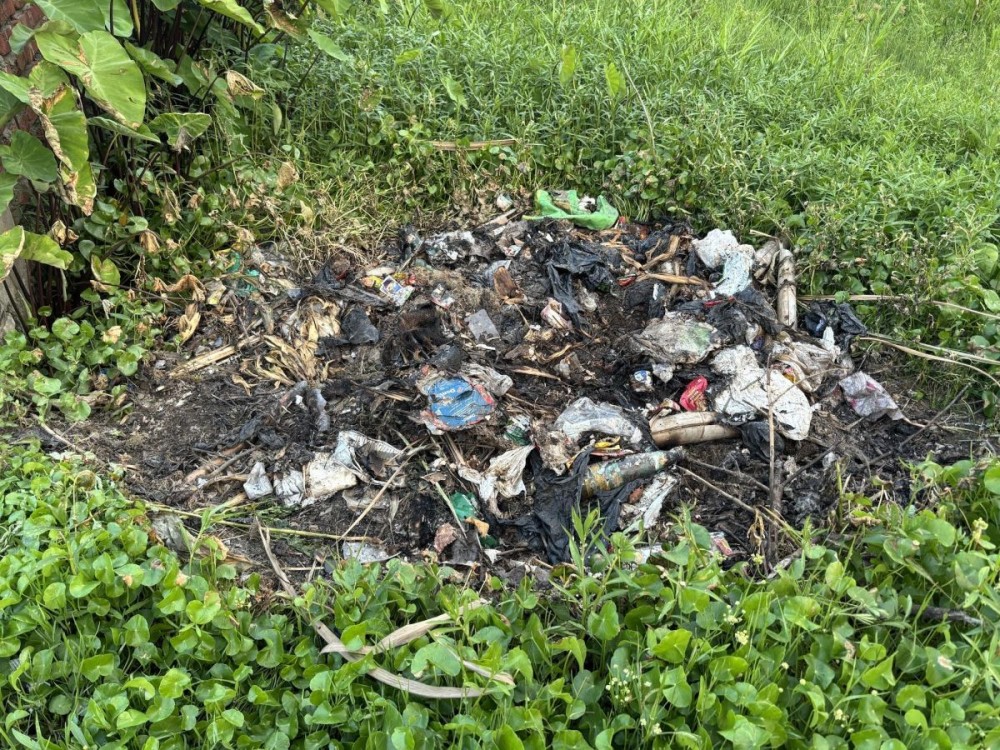
Temporary garbage burning areas used by residents of Aoyimti village amid the garbage collection halt.
Tianaro Aier
Dimapur | August 2
The month-long suspension of garbage collection by the Dimapur Municipal Council (DMC) has forced residents of Aoyimti village and several other colonies to manage their household waste independently, with many resorting to burning non-recyclable trash despite environmental concerns.
The DMC had initially announced on March 6 that dumping at its existing landfill site would cease from March 30 after the facility reached its maximum permissible capacity. A subsequent report on March 31 stated that the Council had granted a one-time extension until April 30 for authorised users while it searched for an alternative disposal site.
However, even with the short extension, garbage collection has remained suspended in multiple areas, including Padumpukhri Village, Chekiye Village, Indisen Village and Aoyimti Village, leaving residents to fend for themselves for over four months.
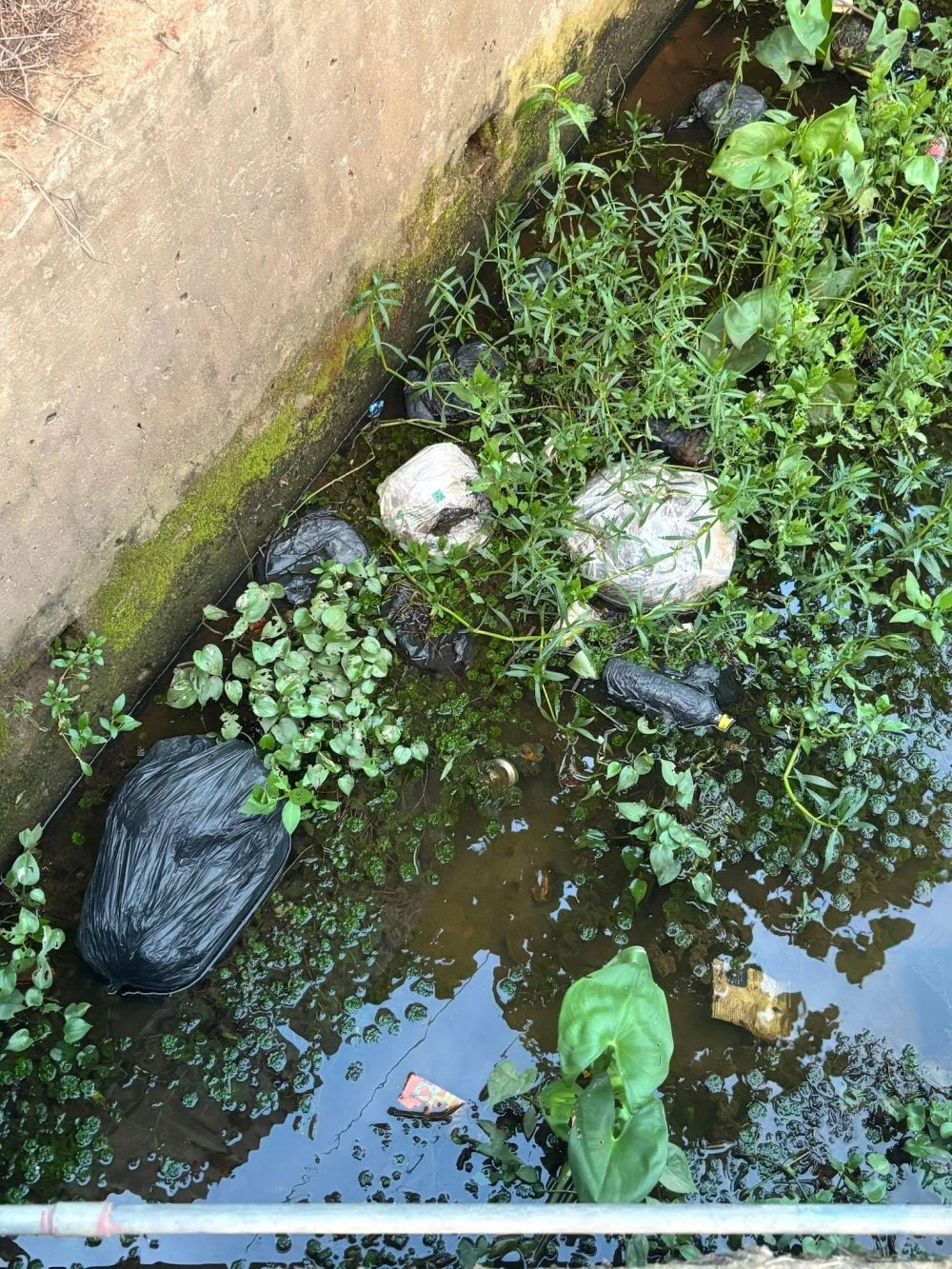
The Chairman of Aoyimti Village Council has stated that the search for the new dumping site is “still in progress” and that the discussions with DMC are ongoing. He has advised the residents to dispose and manage their waste carefully within their compounds and in proper disposal areas as a temporary disposal site cannot be arranged at present.
Meanwhile, residents of Aoyimti have adopted various temporary measures to cope with the crisis. A 26-year-old educator said that his family segregates waste into biodegradable and non-biodegradable categories, managing kitchen waste separately while keeping recyclable items aside. “The remaining waste is handled as carefully as possible since collection has stopped,” he said.
Many households admitted that non-recyclable waste is often burned due to the absence of collection services. A family of four living in an apartment said they lack space to segregate, decompose or burn waste, and are instead forced to search for proper garbage collection areas to dispose of their household trash.
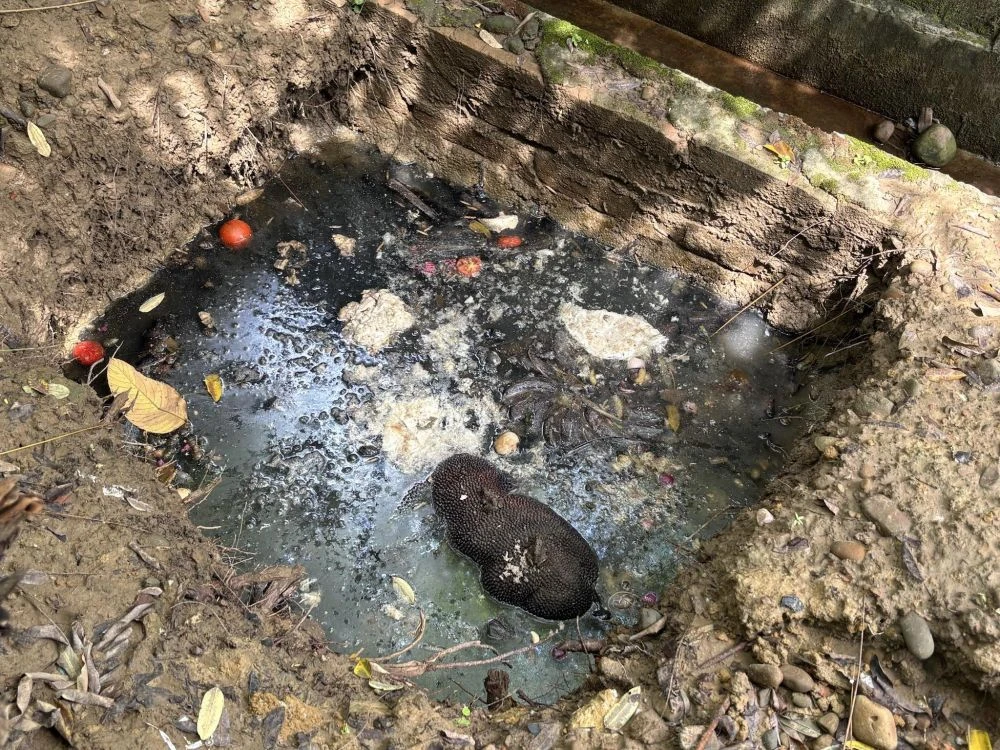
While residents said burning as a last resort, they acknowledged its environmental impact. A 19-year-old college student shared “the guilt of having to burn plastic waste,” while another resident noted that burning is usually done early in the morning or late at night to avoid disturbing neighbours.
Residents have termed the suspension a “major inconvenience” and expressed concern that their current waste management methods are not sustainable in the long run, urging the DMC to expedite the identification of an alternative disposal site.
Uncollected waste poses deadly risks
Dr Moanaro Ao, a researcher at the National Institute of Technology Nagaland and a resident of Aoyimti village, said non-biodegradable waste such as plastics and packaging material was gradually piling up at homes since collection stopped, though the impact had been “limited” because of proactive household measures.
“We are composting our biodegradable waste and giving away the recyclables... we are safely storing the remaining non-recyclable waste and are waiting for the regular collection service to resume,” Dr Ao said, adding that residents were consciously avoiding burning waste at home.
Households, she said, are now segregating waste into food waste, paper, plastic bottles, single-use plastics, multi-layered plastics (MLPs) and glass. While food waste and paper are composted, plastic bottles are handed to local scrap collectors, and MLPs, glass and household hazardous waste are being stored separately. Cleaned single-use plastic bags and newspapers are being returned to local shopkeepers for reuse.
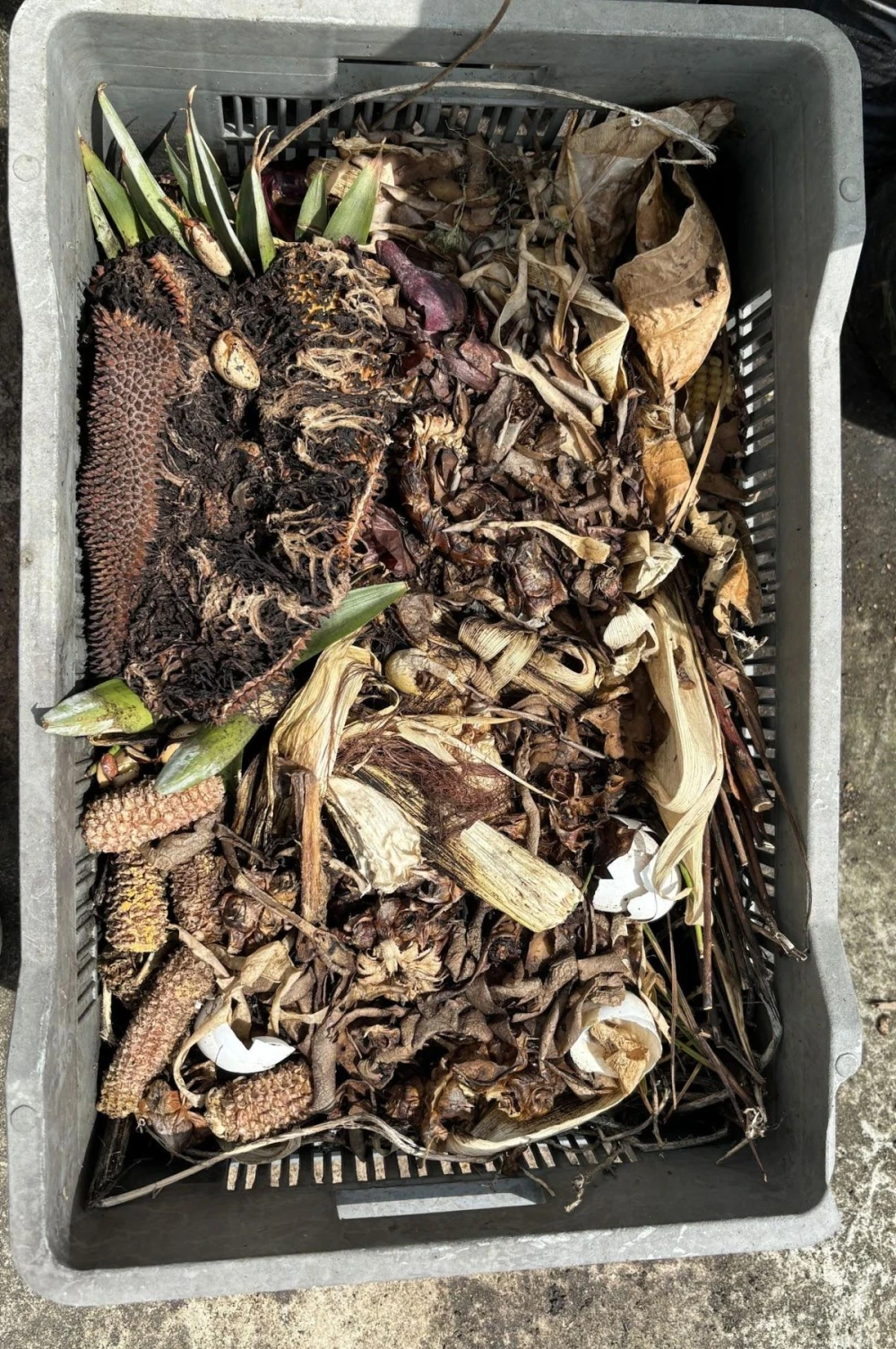
Dr Ao cautioned that continued suspension of garbage collection could pose serious health risks. Uncollected waste creates breeding grounds for flies, mosquitoes and rats, raising the risk of diseases such as diarrhoea, dengue and malaria, she said. Burning of plastics and mixed waste releases harmful pollutants that can trigger respiratory illness, asthma and eye irritation, and prolonged exposure could lead to heart disease and cancers, particularly among children, the elderly and those with existing respiratory conditions, she warned.
Illegal dumping, she added, contaminates soil through leachate, clogs drains and degrades water quality, while open burning of items such as tyres and household hazardous waste releases toxic chemicals into the air.
Advising residents on temporary measures, Dr Ao called for minimising waste generation, avoiding single-use products, and making segregation and home composting a daily habit. She urged municipal authorities and sanitation committees to move towards decentralised waste management rather than depending largely on landfills, citing models such as community-level reuse and recycling centres, transfer stations, Material Recovery Facilities and composting units.
On systemic challenges, Dr Ao said the biggest gap was not a lack of awareness but the gap between awareness and action, with many households aware of correct practices but not following them consistently due to convenience, weak infrastructure and the perception that waste management is solely a municipal responsibility.
“Waste management begins at home,” she said, calling on citizens, communities and the government to work together to build a cleaner and more resilient future through source segregation, composting, and stronger recycling infrastructure.
The writer is currently a B.A fifth-semester student in the Department of Mass Communication at Tetso College, Chümoukedima. This report is part of her one-month internship at The Morung Express.