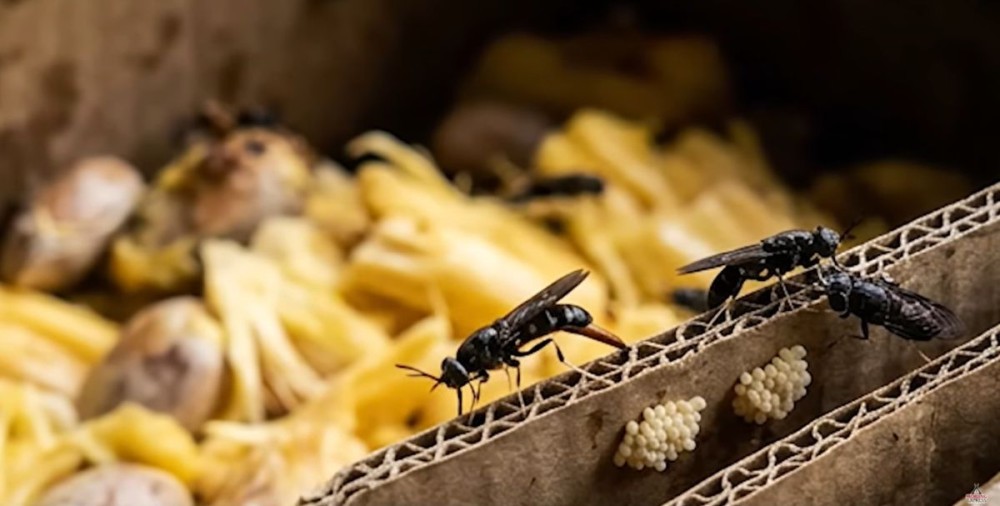
Adult Black Soldier Fly. (Morung file Photo)
AIDA, Eclose GmbH hold workshop on BSF technology for circular bio-waste management
Dimapur, October 16 (MExN): The ANMA Integrated Development Association (AIDA), in collaboration with Germany-based Eclose GmbH, on October 16 organised a one-day workshop on Black Soldier Fly (BSF) technology as a means of circular bio-waste management in Nagaland.
Held at the AIDA campus in Dimapur under the Waste Insect Nexus for Growth & Sustainability (WINGS) initiative, the workshop brought together government officials and representatives of social and educational institutions for discussion and knowledge-sharing, a press release received here stated.
Dimapur Deputy Commissioner Dr Tinojongshi Chang, NCS, who was the chief guest, said BSF technology could help reduce solid waste while generating income, and urged the line departments to work together to take the project forward.
“If I am not mistaken, 60 to 70 per cent of the waste generated is biodegradable. With this technology, if we can utilise it effectively and apply it at every household or in every colony, I believe there will be a significant reduction in waste generation,” Chang said.
Citing the Solid Waste Management Rules, 2026, he said the government has given strict directives under which even individuals, and not just officials, will be penalised if the rules are not followed. “Even the Deputy Commissioner of the district may face legal penalties if waste management is not properly addressed,” he said.
Chang said the technology can generate income, produce manure for plants and benefit those involved in the process. He said the training would also provide economic benefits to educated unemployed youth and to the departments themselves.
He asked AIDA to take the initiative to the public and the grassroots level, since only departmental officials were present at the workshop. He also asked the Departments of Agriculture and Allied Sectors, as well as the municipalities, to share the knowledge gained with their colleagues and departmental heads so that “collaboration and convergence among all the line departments” could make the project a success.
“As the district administration, we are always ready to support you in whatever assistance you may require,” he said. He added that the project would benefit not only Dimapur but also other districts when it is extended to them at a later stage.
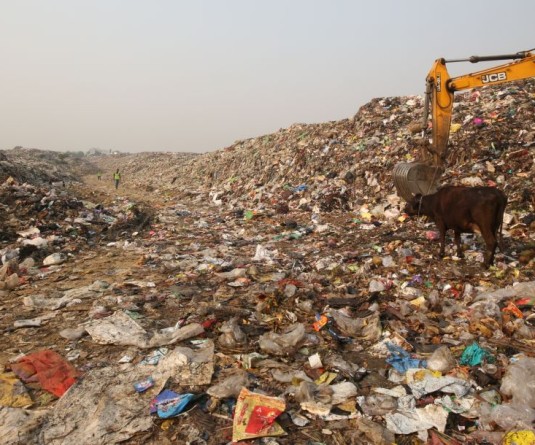
Rev Fr Dr Roy George, SDB, Executive Director and Chief Functionary of AIDA, said organic waste is a significant challenge in towns and villages, with food waste, vegetable residues, market waste and other biodegradable materials generated every day. If not properly managed, these contribute to unhygienic surroundings, pollution and unnecessary pressure on waste disposal systems, he said.
He said BSF larvae can process suitable organic waste and convert it into valuable biomass, which can be used as a protein-rich ingredient in animal feed, subject to appropriate processing and safety requirements. The residue left after processing can also be put to beneficial agricultural use when properly treated and assessed for safety, he said.
“Instead of treating organic waste only as something to be discarded, we can turn it into a resource,” George said, adding that the approach supports the concept of a circular economy, in which materials are recovered and reused, waste is reduced, and environmental and livelihood benefits are created.
For Dimapur and Chümoukedima, where growing urbanisation and increasing waste generation call for practical and sustainable solutions, the technology “deserves serious consideration”, he said. However, he said successful adoption will require appropriate technical knowledge, proper waste segregation, suitable infrastructure, adherence to safety standards, market linkages and cooperation among all stakeholders.
George said AIDA has established six BSF facility centres across Arunachal Pradesh, Nagaland, Manipur and Assam to demonstrate the potential of the technology, promote practical learning and encourage its adoption among interested communities, farmers, institutions and other stakeholders.
The programme began with an invocation by Dr Bibiana Lungbila, HR, Director Programmes, AIDA, followed by the lighting of the lamp by the dignitaries and a special tune presented by AIDA staff. An AIDA–WINGS video presentation was also screened.
AIDA's Annual Report 2025-2026 was released by the chief guest, while AIDA Chronicle, commemorating 40 years of AIDA's establishment, was released by Dr. Stefan Diener, Co-Founder and CEO of Eclose GmbH.
Following the inaugural session, Chang visited the WINGS facility at AIDA, Dimapur, where he was introduced to the practical application of BSF technology. Jerome Mangkung, Project Manager, AIDA–WINGS, proposed the vote of thanks.
The workshop then continued with a session involving government departments and representatives of social and educational institutions. At the end of the day-long stakeholder dialogue, the participants also visited the WINGS facility to gain first-hand exposure to the potential of BSF technology in organic waste management, resource recovery and sustainable livelihood development.