Tokavi K Zhimo
Kohima | December 9
Entrepreneurs in Nagaland are venturing into homestays, capitalizing on local tourism and offering authentic experiences near major attractions like Dzükou Valley and the Hornbill Festival.
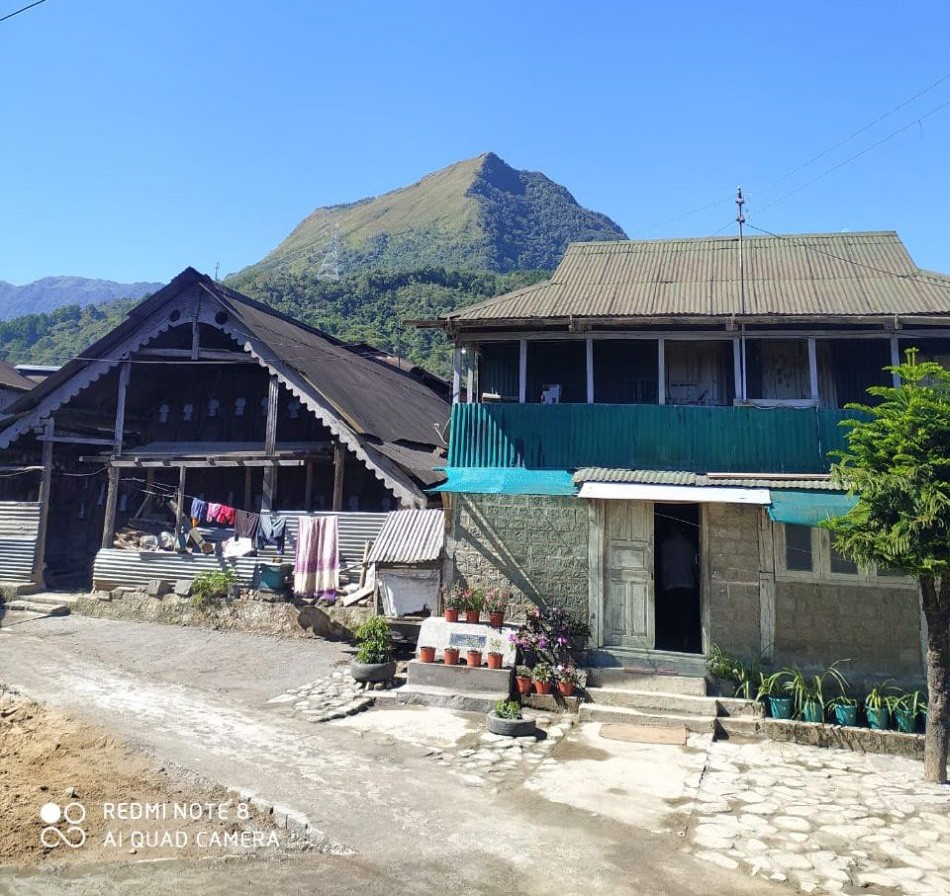
Two entrepreneurs from Nagaland have leveraged their village’s prime location and a familial property to tap into the state’s growing tourism sector, creating a new homestay venture in Viswema village, Kohima.
Kethoshet Kennao and his business partner Noghito Achumi, both former government job aspirants, launched the “Naga Backpackers Homestay” to offer an authentic Angami Naga living experience to tourists.
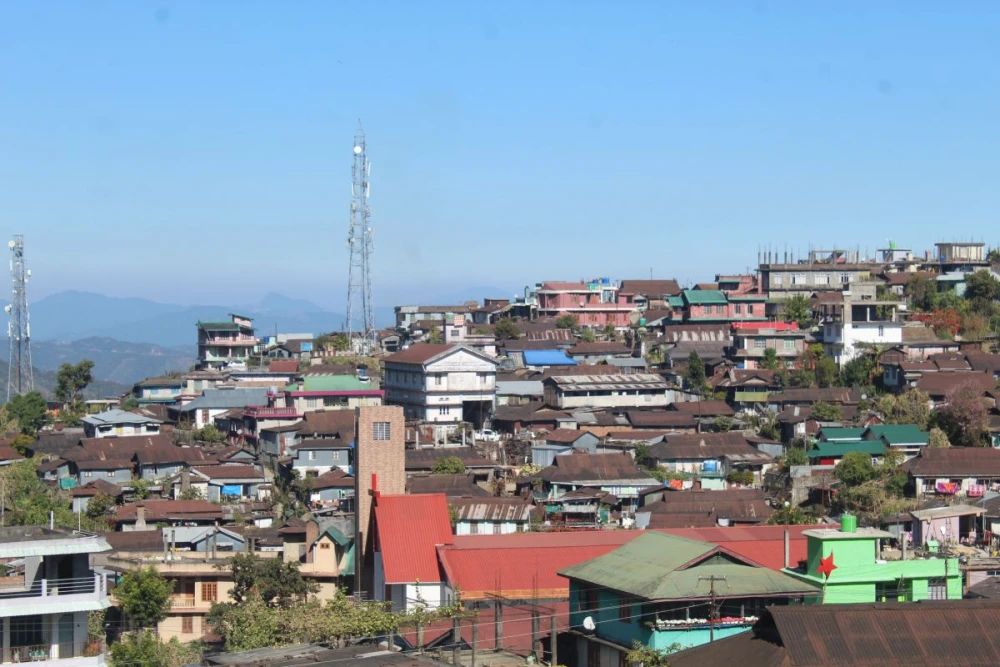
The duo identified the opportunity in Viswema, cited as the ‘third largest village in Asia’, due to its proximity to key attractions like the Dzükou Valley and the Kisama Naga Heritage Village, the main venue for the annual Hornbill Festival.
“Many people don’t recognise such opportunities. Tourists come looking for short-stay accommodations, and our village is very privileged in terms of location. We thought, why not give it a try?” Kennao told The Morung Express.
Having prepared for civil service examinations for years, the partners decided to explore alternative prospects amid intense competition for limited government vacancies.
Their venture utilizes a house built by Kennao’s grandfather in the late 1980s, which had been lying vacant after the family moved to urban areas. “We thought, why not earn from it?” he said.
The homestay, their first business enterprise, currently offers two private rooms and two dormitories, with attached bathrooms, a kitchen, breakfast services, and ample clean water. It can accommodate up to 17 guests.
The response has been positive, with the homestay fully booked for the ongoing Hornbill Festival period. Between December 1 and 6, they hosted guests from across India and abroad.
Promotion has been primarily conducted through Instagram and WhatsApp. “Tourists have little idea about local options, so advertisement is the key. We have to stay active on social media,” Kennao emphasised.
He estimates a profit of approximately Rs 30,000 from this Hornbill season alone, excluding initial investment. With Dzükou Valley attracting trekkers throughout the year, they aim to operate beyond the festival season and position Viswema as a base camp for both the valley and the festival.
“There are many home-stays, but tourists keep coming. Through this, we are opening up new business avenues. Considering the high rate of educated unemployment in our state, this is a great opportunity, not just during the festival but throughout the year,” he added.
Expressing optimism for future growth, Kennao said, “Tourists will keep coming again and again. We are just venturing out, and if opportunities come, we will take them.”
KN Homestay, managed by Else in Viswema village, began operations this year and is already welcoming a steady stream of visitors. It can accommodate up to 10 guests across three rooms, including a dormitory with attached bathrooms and geysers.
Though new to the hospitality industry, the owners have already hosted two guests from Kolkata, who stayed for the Dzükou Valley trek and the Hornbill Festival in Kisama.
The proprietors note that the homestay remains open year-round and is often sought out by travellers. They offer full services, including food, lodging, tour guides, and other visitor needs. Officially launched on November 28, the homestay plans to remain open throughout the year.
In Viswema, the Neisapi Dzükou Restaurant and Homestay has been operating for nearly a decade, consistently welcoming a high number of tourists each year. The owner shared that the homestay hosts over 300 tourists annually, primarily from Assam and Manipur, who visit for the Dzükou Valley trek and the Hornbill Festival.
“I started this homestay after noticing many visitors arriving with nowhere to stay. That’s how the idea came to me,” he said. The business has helped him support his family, with earnings typically ranging from Rs 10,000 to Rs 20,000 in regular months. During peak tourist season, however, income rises significantly. The homestay also caters to trekkers by providing tents and sleeping bags for hire.
Neisapi Homestay has a total capacity of 40–50 guests and currently has 15–20 guests staying. It offers both private rooms and dormitories, all with attached bathrooms, and includes food and other amenities. The charges are Rs 300 per person in the dormitory and Rs 500 for private rooms.
Khruvi, proprietor of VV Homestay in Viswema, Kohima, started her business in August 2025. The homestay can accommodate 10–12 guests across two private rooms and one dormitory.
Currently, they are hosting one international guest and 4–5 local visitors.
According to Khruvi, most guests visit for trekking in Dzükou Valley or attending the Hornbill Festival, with all trip arrangements made by the proprietor.
Meanwhile, Eden Hotel, located in Kohima’s main town, has been operating for a very long time. It accommodates over 50–60 guests, including locals, domestic tourists, and international visitors. The Hotel Manager, Shuho, noted that while regular monthly rates are between Rs 2500 and 5000, these are raised to Rs 3000–6000 during the Hornbill Festival.
Another longstanding hotel in Kohima, 2K Hotel, has 21 rooms and accommodates over 100–150 domestic visitors during the Hornbill Festival season, in addition to international guests and tourists. This was confirmed by its General Manager, Akhrietuo Sekhose.