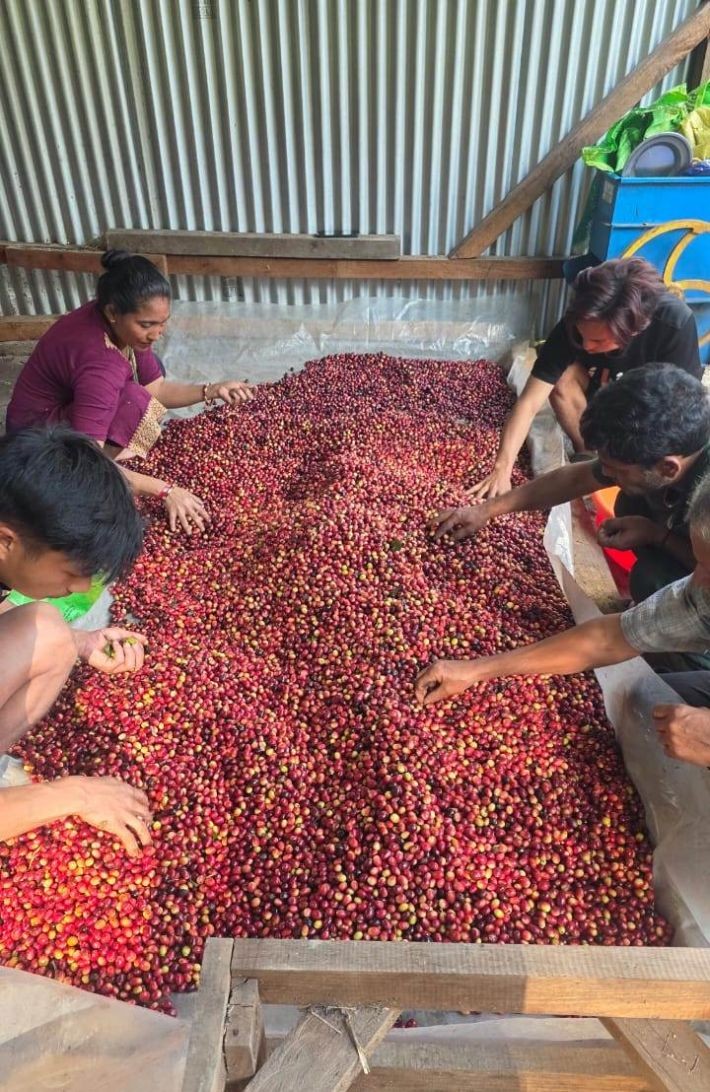
Coffee pickers at Tsiese Coffee Estate sort freshly harvested ripe cherries before fermentation.
Tsiese Coffee Beans claims back-to-back titles at Coffee Board of India’s flagship competition
Imti Longchar
Kohima | December 8
For decades, India’s coffee landscape, both commercial and specialty, has been dominated by established estates from the South. But Nagaland’s Lhouvilie Yhor, proprietor of Tsiese Coffee Beans, is steadily altering the picture by placing the state on India’s specialty coffee map.
The self-taught grower from Tsiesema village, Kohima, who is an architect by profession, won at the Coffee Board of India’s Know Your Kaapi (KYK) competition this year, marking one of the most significant recognitions yet for a Northeastern coffee producer.
In a field traditionally led by plantations from Karnataka, Kerala and Tamil Nadu, Yhor emerged among the top performers, securing the Arabica Naturals title for his Tsiesema-grown beans. His 2025 win follows last year’s performance, when Tsiese Coffee Beans won the Arabica Washed category.
The KYK competition, held annually by the Coffee Board of India, evaluates entries across Arabica washed, naturals and experimental categories, as well as Robusta washed, naturals, experimental and alternative species. This event is regarded as the country’s most demanding cupping competition. Beans undergo multiple blind cupping rounds, scored for clarity, sweetness, complexity, processing discipline and consistency.
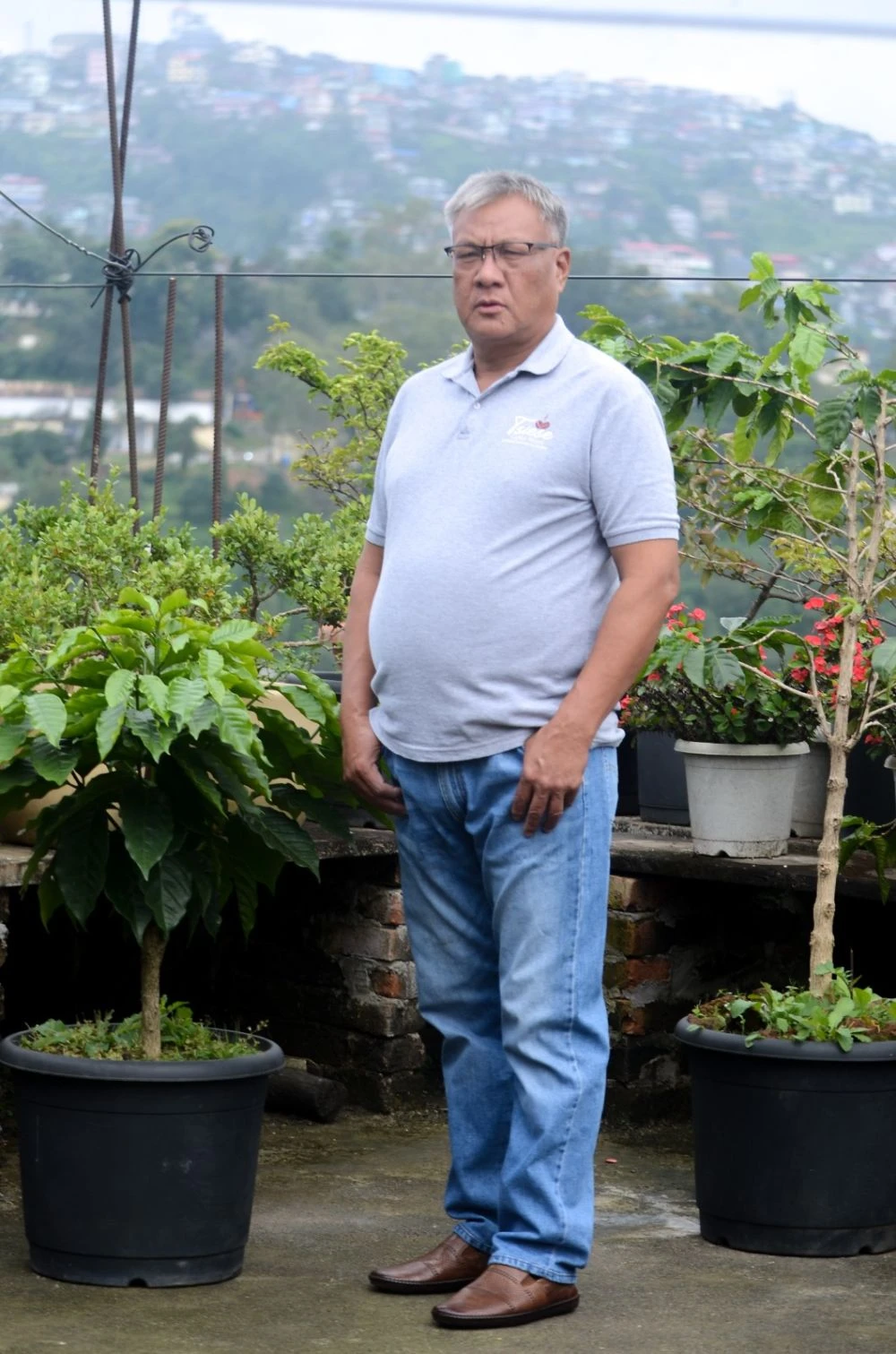
“Competing against century-old plantations from Karnataka and Kerala and still winning is a major achievement for a grower from the North-East,” Yhor said. “Recognition from the Coffee Board and the CCRI tells you your coffee meets the highest scientific standards in the country.”
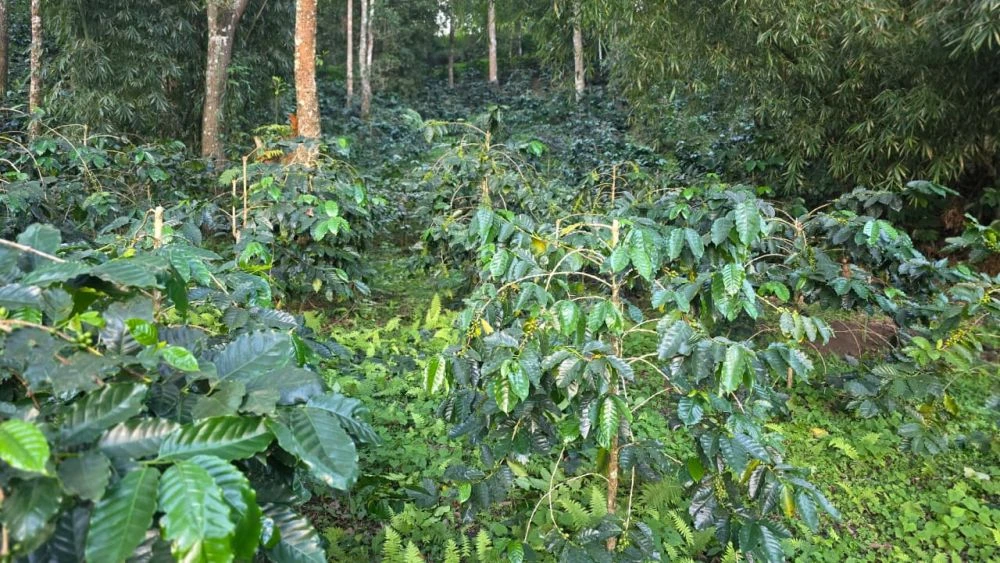
Yhor began cultivating Arabica in 2015 with 10,000 saplings from the Nagaland Land Resources Department. Coffee cultivation in the state had failed in the 1980s, but he said government support, technical guidance from the Coffee Board of India and his persistence kept him going.
Yhor operates under the brand Tsiese Coffee Beans. Apart from his own estates in Tsiesema and Zhadima, he sources cherries from smallholders in Touphema, Chiechama, Nerhema, Tseminyu, VK Town (Zunheboto) and Yimchalu (Mokokchung). He trains partner farmers in each village to produce specialty-grade beans, emphasizing careful picking, fermentation and drying.
Nagaland’s high-altitude terrain and virgin soils naturally give beans an edge, Yhor said. “Our land gives 60 to 75 percent of the quality by default. With 20 to 25 percent sincere effort, the coffee becomes world-class.”
Naga traditional barrel fermentation
While many producers rely on scientifically manufactured bacterial or yeast cultures and use stainless-steel or food-grade plastic tanks for controlled anaerobic fermentation, Yhor follows a method rooted in Naga tradition. He ferments his coffee in wooden log-drum barrels historically used for preparing thuthse, a local rice beer. These barrels contain naturally occurring bacteria and wild yeast that drive a slower, more complex fermentation.
“Commercial microbial cultures can sometimes make the coffee overly sweet. The wooden barrel gives a more balanced microbial environment,” he said, adding that the indigenous technique, now being replicated in Japan for liquor fermentation, originates from Naga food culture.
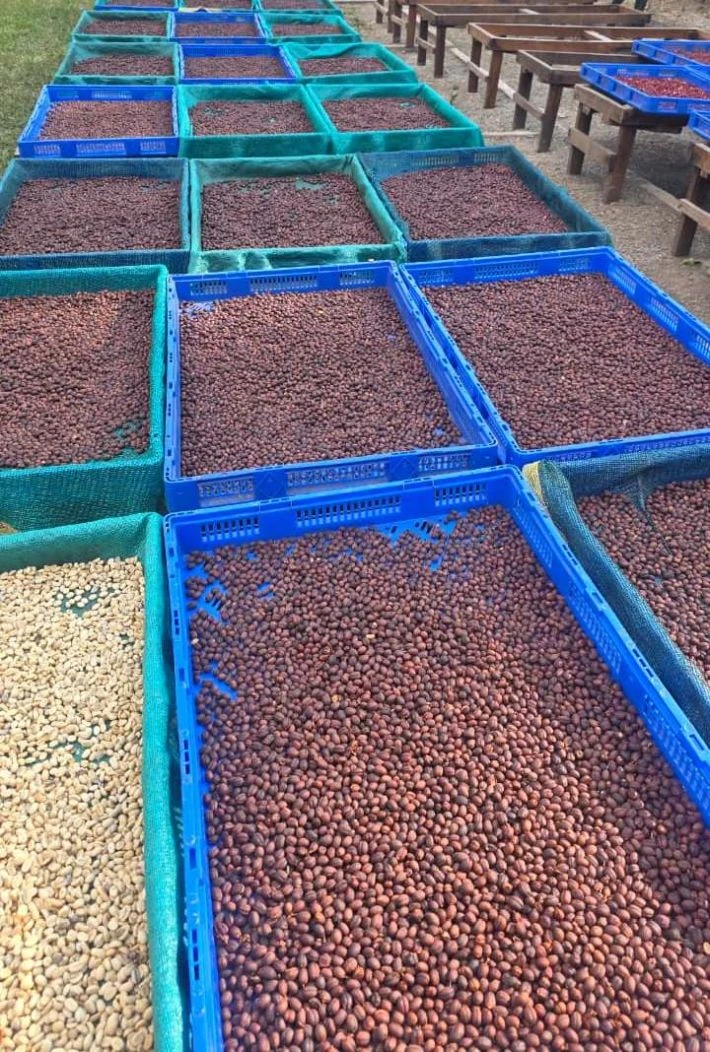
His anaerobic naturals involve continuous pH monitoring, round-the-clock checks, selective picking of fully ripe cherries, strict moisture control and extended resting periods. After processing, the beans are milled in Chennai and supplied to specialty roasters in India and Japan, which he regards as the most demanding market. “Once Japan accepts it, every other buyer will accept it,” he said.
Market at your doorstep
Yhor describes coffee as one of the few sustainable, long-haul income sources for Nagaland’s geography. Unlike perishable crops, which suffer from poor market access and lack of cold storage, coffee attracts buyers directly to the farms and villages. “If you work hard for four years, by the fifth year you break even,” he said.
But Yhor acknowledges that the first four years are hard, requiring labour and patience. “People expect quick returns. Coffee does not work like that. It needs commitment,” he said.
One of the overlooked strengths of Naga coffee, Yhor pointed out is its market pull. Buyers travel directly to remote farms and villages to secure produce even before the harvest begins.
“In Nagaland, you don’t have to chase the market. The buyers come to your doorstep,” he said. Specialty buyers from across India and occasionally abroad, visit estates in places like Shamator, Noklak, Mon, Touphema and Tsiesema to negotiate advance purchases. Many of them arrive during the harvest season to assess cherries on the trees, taste previous lots and reserve entire micro-lots well ahead of processing. “That’s the beauty of coffee here--if the quality is good, the market will find you,” he added.