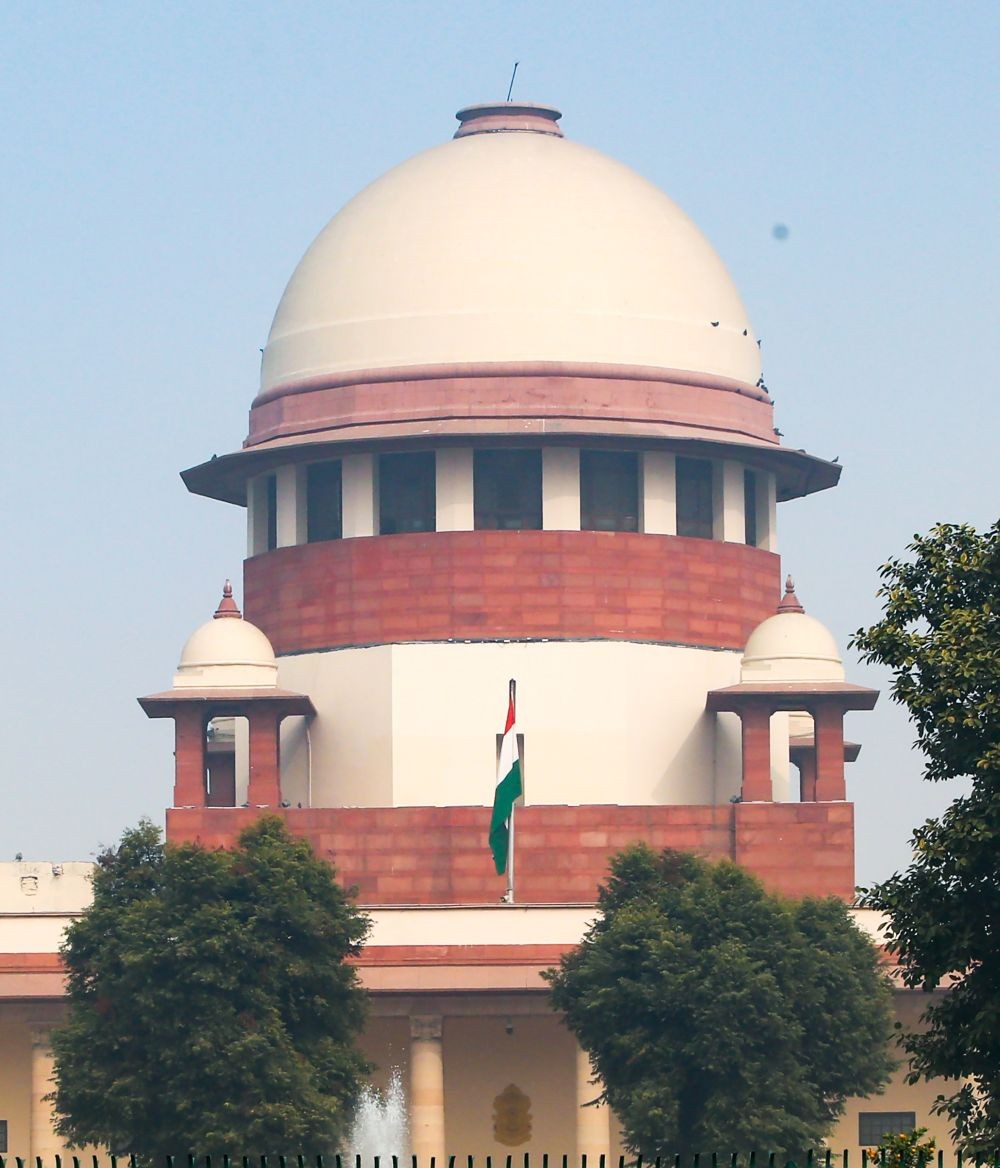
Supreme Court of India. (IANS Photo)
New Delhi, January 28 (IANS): The Supreme Court is slated to hear on Thursday a batch of petitions challenging the University Grants Commission (Promotion of Equity in Higher Education Institutions) Regulations, 2026.
As per the cause list published on the website of the apex court, a bench of Chief Justice of India (CJI) Surya Kant and Justice Joymalya Bagchi will take up the matter for hearing on January 29.
Earlier in the day, CJI Surya Kant had agreed to list for hearing a plea challenging the said regulations after the matter was mentioned for urgent listing.
The CJI had assured the petitioner’s counsel that the case would be heard after defects in the petition are cured.
"We know what’s happening. Make sure defects are cured. We will list it," the CJI had said.
The petitioner’s counsel had submitted that the regulations could result in discrimination against individuals in the general category and expressed concern over the denial of effective grievance redressal mechanisms for them.
The plea challenges the UGC’s Equity Regulations, alleging that the framework institutionalises discrimination by denying grievance redressal mechanisms to persons belonging to non-SC/ST/OBC categories.
It contended that the regulations violate the principles of equality and fair access to remedies in higher education institutions.
According to the petition, the regulation restricts the scope of "caste-based discrimination" only to members of the "Scheduled Castes, Scheduled Tribes and Other Backward Classes".
Such a definition "accords legal recognition of victimhood exclusively to certain reserved categories and categorically excludes persons belonging to general or upper castes from its protective ambit, regardless of the nature, gravity, or context of discrimination suffered by them", it contended.
The petition further seeks a direction to ensure that Equal Opportunity Centres, Equity Helplines, inquiry mechanisms and Ombudsperson proceedings under the regulations are made available in a "non-discriminatory and caste-neutral manner", pending reconsideration or amendment of Regulation 3(c). It argued that denial of access to grievance redressal mechanisms on the basis of caste identity amounts to impermissible state discrimination and violates Articles 14, 15(1), and 21 of the Constitution.