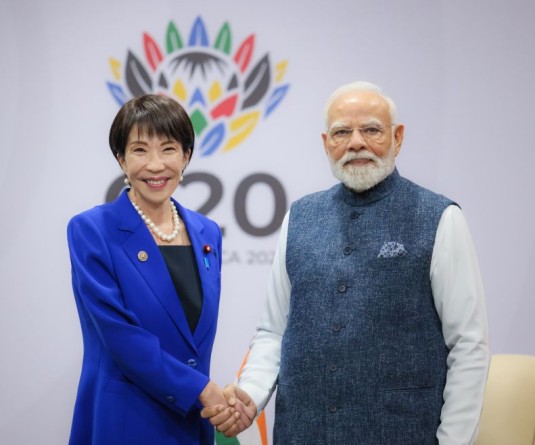
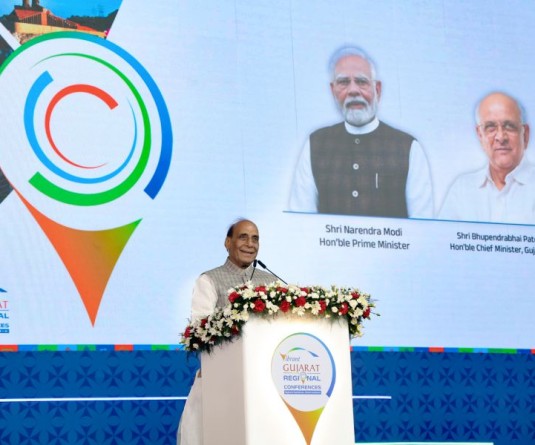
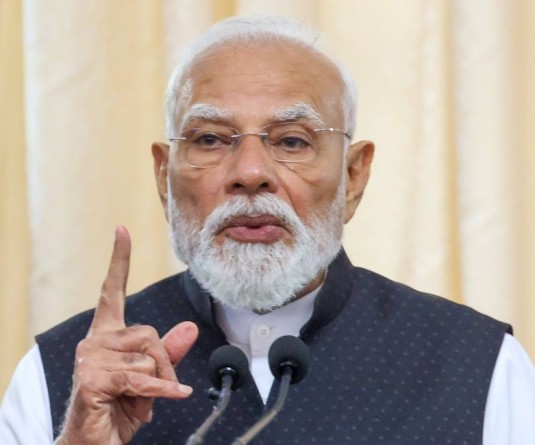
Officials during the CII Annual Business Summit 2026 in New Delhi on May 12.
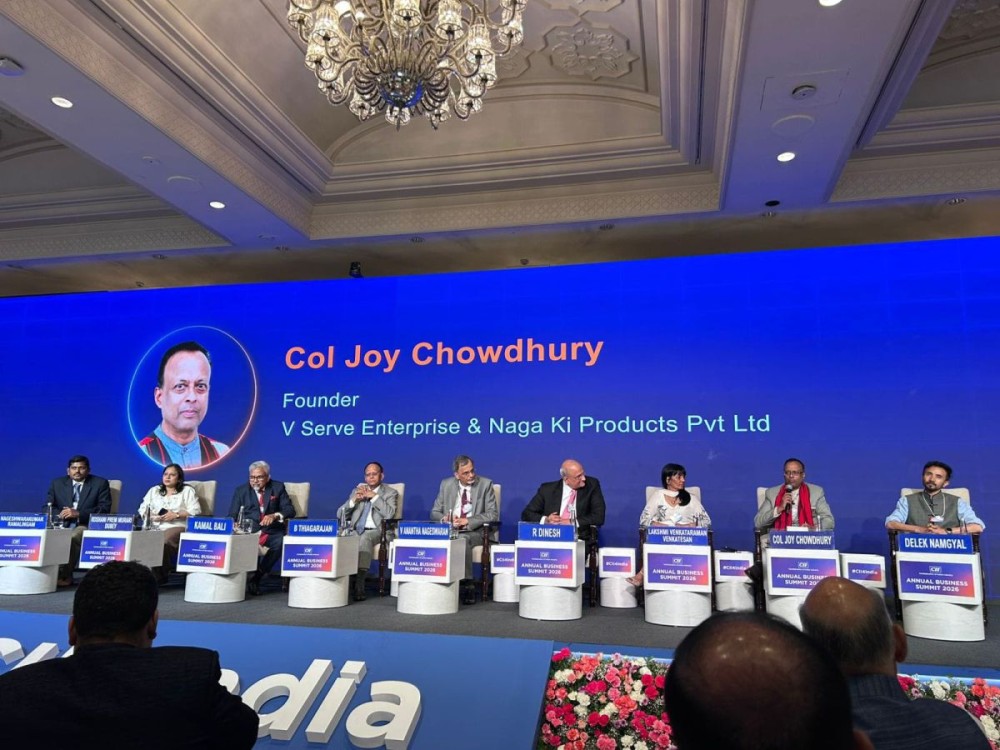
New Delhi, May 14 (MExN): The Confederation of Indian Industry hosted a special session on “Powering the Future: India’s Micro Enterprises” during the CII Annual Business Summit 2026 in New Delhi on May 14, with policymakers, industry leaders and entrepreneurs deliberating on the opportunities and challenges facing micro and small enterprises.
According to an update, the session underscored the role of micro and small enterprises in driving economic resilience, employment generation and inclusive growth, while discussions focused on strengthening their integration into domestic and global value chains and enabling them to scale sustainably.
It also served as a platform for entrepreneurs from across the country to directly present their challenges, aspirations and growth ambitions before government and industry leaders, fostering dialogue on sectoral requirements and policy support.
Delivering the keynote address, V Anantha Nageswaran said India’s growth would depend on how effectively micro enterprises are supported in technology adoption, capability building and value chain integration.
He stressed the importance of trade skills and innovation in strengthening the MSME sector.
R Dinesh, Past President of CII and Chairman of the CII Centre of Excellence on Employment and Livelihood, said micro and small enterprises were central to India’s growth story, particularly in generating livelihoods and strengthening rural economies.
He said scaling MSMEs would depend on four critical enablers — timely and affordable access to credit, seamless integration into value chains and markets, accelerated adoption of digital technologies, and focused investments in skilling and capability building.
Kamal Bali, President and Managing Director of Volvo Group India, called for a shift from a transactional to an ecosystem-based approach with emphasis on working capital, technology adoption and governance.
He said MSMEs should be nurtured as integral partners within supply chains through sustained capability building, technology enablement, sustainability adoption and responsible financial practices, including timely payments.
B Thiagarajan, Managing Director of Blue Star Limited, highlighted demand-linked opportunities for micro enterprises.
“A model that works very well is one where assured business is made available. Our industry continues to import many components, and if we work with micro-enterprises to help them innovate, invest in them, and manufacture these imported products, it works very successfully,” he said.
Col Joy Choudhary, Founder and Director of We Serve Enterprises and NagaKi Products Pvt Ltd, said exposure to CII programmes had enabled entrepreneurs from remote regions such as Nagaland to adopt a more structured and informed approach to business.
He stressed the need to move from informal business practices towards improved awareness of creditworthiness, access to formal finance and stronger entrepreneurial capabilities, while also highlighting the unique challenges faced in remote regions and the need for tailored growth models.
The CII Centre of Excellence on Employment and Livelihood has so far empowered more than 32 micro and small entrepreneurs in Dimapur, he added.
Entrepreneurs participating in the session highlighted issues related to awareness, clarity and market connectivity, among other challenges, which were acknowledged by stakeholders present at the event.
Industry leaders also pointed to growing collaboration opportunities between corporates and micro enterprises across supply chains and services, enabling smaller businesses to scale and integrate into larger ecosystems.
The discussions reflected strong entrepreneurial aspirations while acknowledging persistent challenges, and highlighted CII’s national initiative through its Centre of Excellence on Employment and Livelihood to support one lakh enterprises and strengthen entrepreneurial capacity at scale.