Image by zes dho from Pixabay (For representational purpose only)
NVBDCP urges community participation to curb mosquito breeding ahead of monsoon
KOHIMA, MAY 11 (MExN): With the monsoon season approaching, the State National Vector Borne Disease Control Programme (NVBDCP), Directorate of Health & Family Welfare, has launched a statewide pre-monsoon preventive drive against vector borne diseases such as dengue and malaria.
The initiative aims to strengthen community participation and reduce mosquito breeding before the onset of the rains, a period that often sees a rise in mosquito-borne infections.
In a press release, the NVBDCP appealed to “all individuals, households, village councils, urban local bodies, churches, community-based organizations, educational institutions, and colonies” to actively inspect their homes and surroundings for potential mosquito breeding sites.
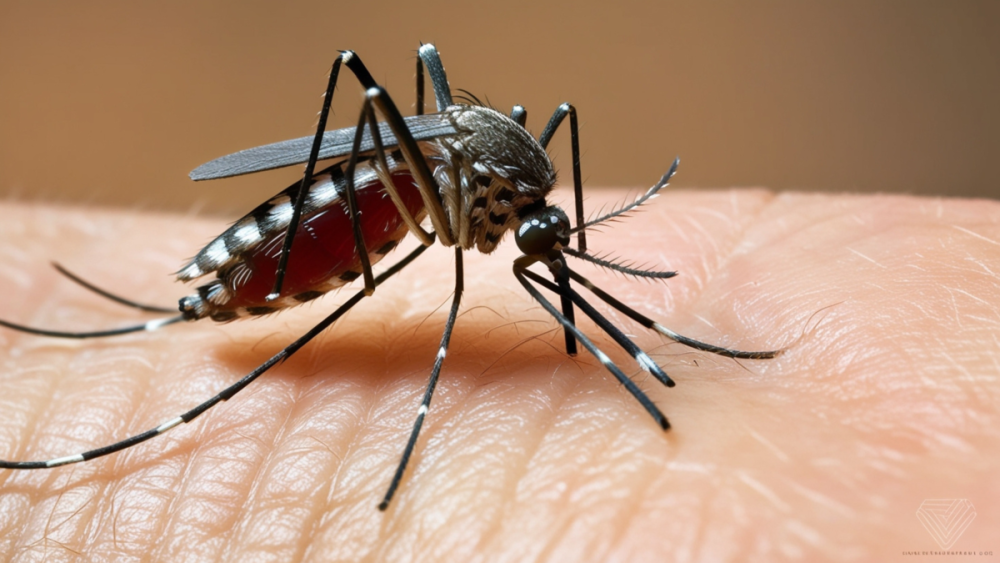
The department stated that stagnant water remains the primary breeding ground for Aedes mosquitoes, which transmit dengue, and urged citizens to take preventive measures including clearing clogged drains and gutters, cleaning unused containers and flower pots, disposing of tyres and other items that collect water, and maintaining sanitation in and around residential and public areas.
It also called on communities to “assess local sanitation conditions and identify areas requiring focused and sustained intervention.”
The NVBDCP stressed that public awareness and collective action are essential in preventing outbreaks. “Early preventive measures during the pre-monsoon period can significantly reduce mosquito density and disease transmission,” the department stated.
The programme further appealed to all stakeholders and members of the public to extend full cooperation in the preventive drive “to ensure a healthier and safer environment for all.”
The advisory comes amid growing concern over dengue cases reported in different parts of the country during the monsoon and post-monsoon seasons, when water accumulation creates ideal breeding conditions for mosquitoes.
Alongside the preventive campaign, the department also issued a public health advisory outlining key dos and don’ts during a dengue infection.
Citizens experiencing dengue symptoms have been advised to get adequate rest, stay hydrated, and take fever medication such as paracetamol or acetaminophen. The department urged immediate medical consultation if symptoms such as bleeding from the gums, nose, urine, or blood in stools occur.
People were also advised to protect themselves from mosquito bites by using mosquito nets, wearing clothing that minimizes skin exposure, applying repellents during daytime, and installing wire mesh on doors and windows.
The advisory cautioned against self-medication and specifically warned people to avoid medicines such as ibuprofen and aspirin, stating that they may increase the risk of bleeding. It also discouraged strenuous physical activity during illness.
The department additionally warned against reliance on Rapid Diagnostic Tests (RDTs) alone for dengue diagnosis, noting that they may produce false positives. “GOI & ICMR do not recommend the use of RDT for dengue diagnosis,” the advisory stated, adding that confirmation should be done at sentinel hospitals including the Naga Hospital Authority Kohima and District Hospital Dimapur.