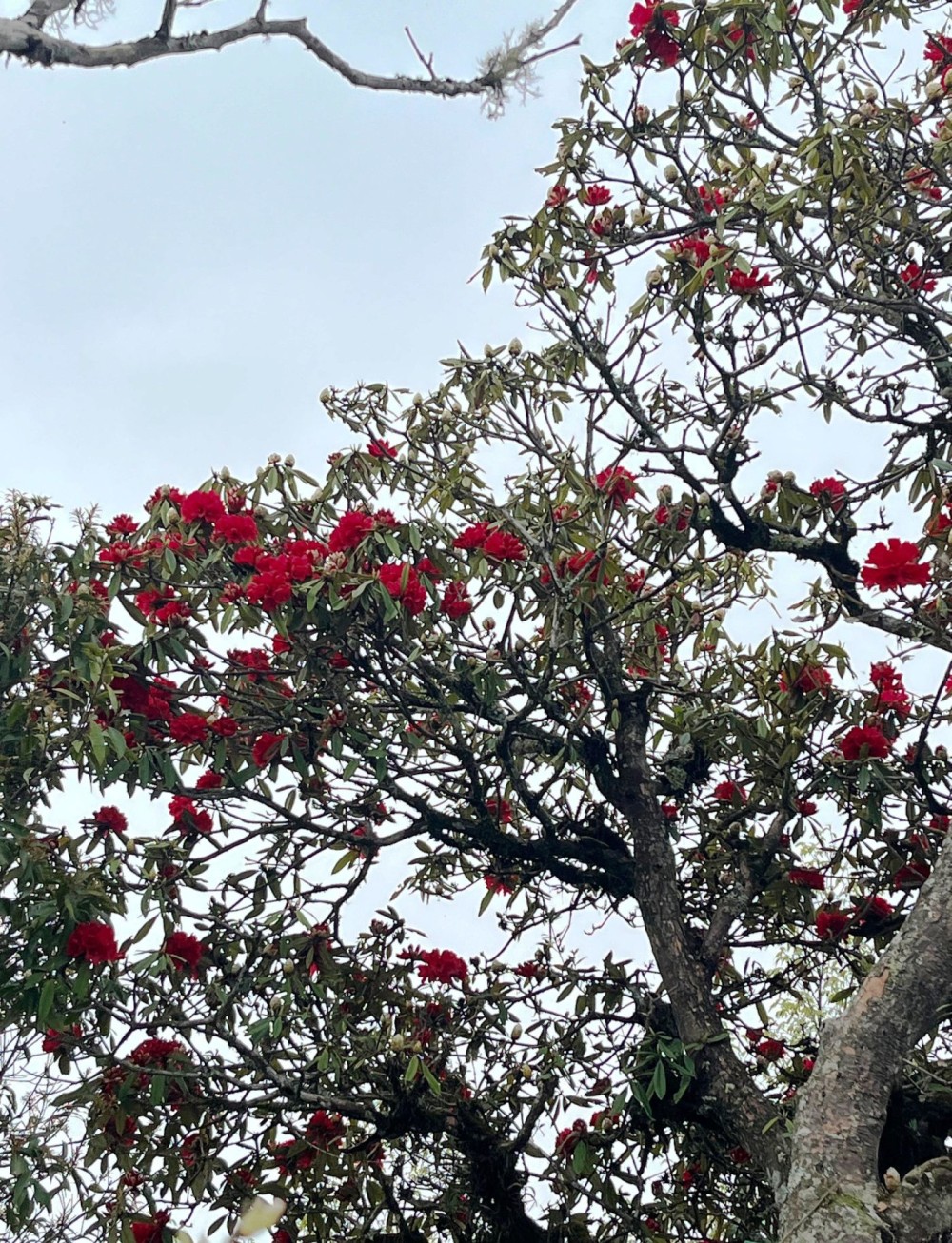
Vibrant red Rhododendron flowers, locally known in the Lotha Naga language as “Subenthera” in full bloom at Mount Tiyi in Wokha District. (Morung Photo)
Meribeni T Kikon
Wokha | April 20
Mount Tiyi in Nagaland’s Wokha District has emerged as one of the most visited trekking destinations this spring, as vibrant red Rhododendron flowers, locally known in the Lotha Naga language as “Subenthera”, carpet its slopes in full bloom, drawing a marked rise in visitors compared to previous years.
The flowering season, which typically spans late February to April, is currently at its peak, with the third and fourth weeks of April considered the best period to witness the blossoms in their most vivid form.
A combination of clear spring weather, cool temperatures and striking floral landscapes has made this season particularly attractive for trekkers from Wokha and surrounding areas.
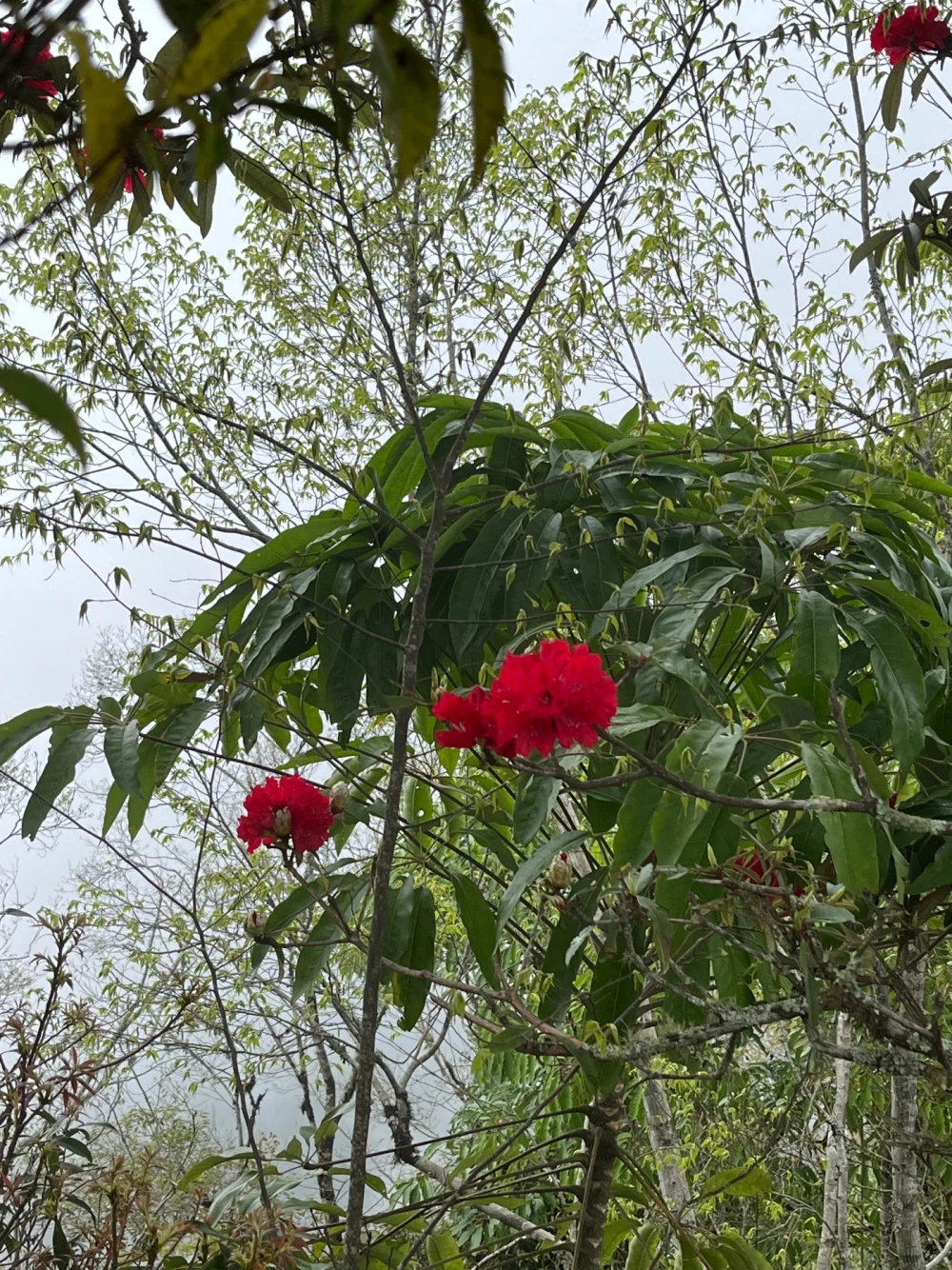
Trekking participation has seen a noticeable increase this year across different sections of society, with students, youth and middle-aged individuals engaging in the activity both individually and in organised groups. Locals attribute the growing footfall to increased awareness of Mount Tiyi's natural beauty and its rising status as a recreational and eco-tourism destination.
Several routes lead to the summit, with the Suren Colony entry point among the most frequently used. Early morning treks are preferred for favourable weather and clearer visibility of the surrounding hills and valleys. The trail is described as moderately to highly challenging, with steep ascents, uneven paths and slippery sections through forested stretches.
Amid the surge in visitors, the Wokha Village Youth Organisation (WVYO) and the Wokha Village Students' Union (WVSU) have announced strict enforcement measures to protect the flowering landscape. In an official order issued following a joint meeting on April 5, both organisations confirmed a penalty of Rs 5,000 for anyone found plucking flowers. Visitors have also been urged to maintain cleanliness and refrain from damaging plants along the trekking route.
A sacred climb that rewards the spirit
Trekkers described Mount Tiyi as both challenging and deeply rewarding, with many highlighting its natural beauty, cultural significance, and panoramic views.
Lijano Tungoe, a recent visitor, said the experience left a lasting impression. “Mount Tiyi is a sacred and scenic mountain with peaceful forests and beautiful hill views. Trekking during the Rhododendron bloom was a truly serene and unforgettable experience,” she said.
She added that the landscape, combined with cultural significance, makes the site unique. “It has great potential to become a strong eco-tourism destination if developed sustainably, without disturbing its natural beauty,” she noted, stressing the need for eco-friendly homestays and proper waste management.
James Tungoe, a trekker who recently visited Mount Tiyi, described the climb as both physically demanding and deeply fulfilling, calling it a journey that blends endurance with reflection. “The climb itself is a true test of spirit. Our legs took longer, but after reaching the top, our hearts were finally at peace,” he said. “Mt Tiyi isn’t just a hill; it is a place where Lotha history, ecology and faith meet.”
He said the summit offers a rare combination of natural and cultural scenery, making it one of the most striking viewpoints in the district. “The panoramic scenery of rhododendrons, orchids, mist, and the view of the entire Lotha area is a sight to behold. From the top, we could also see Wokha town at its best,” he added.
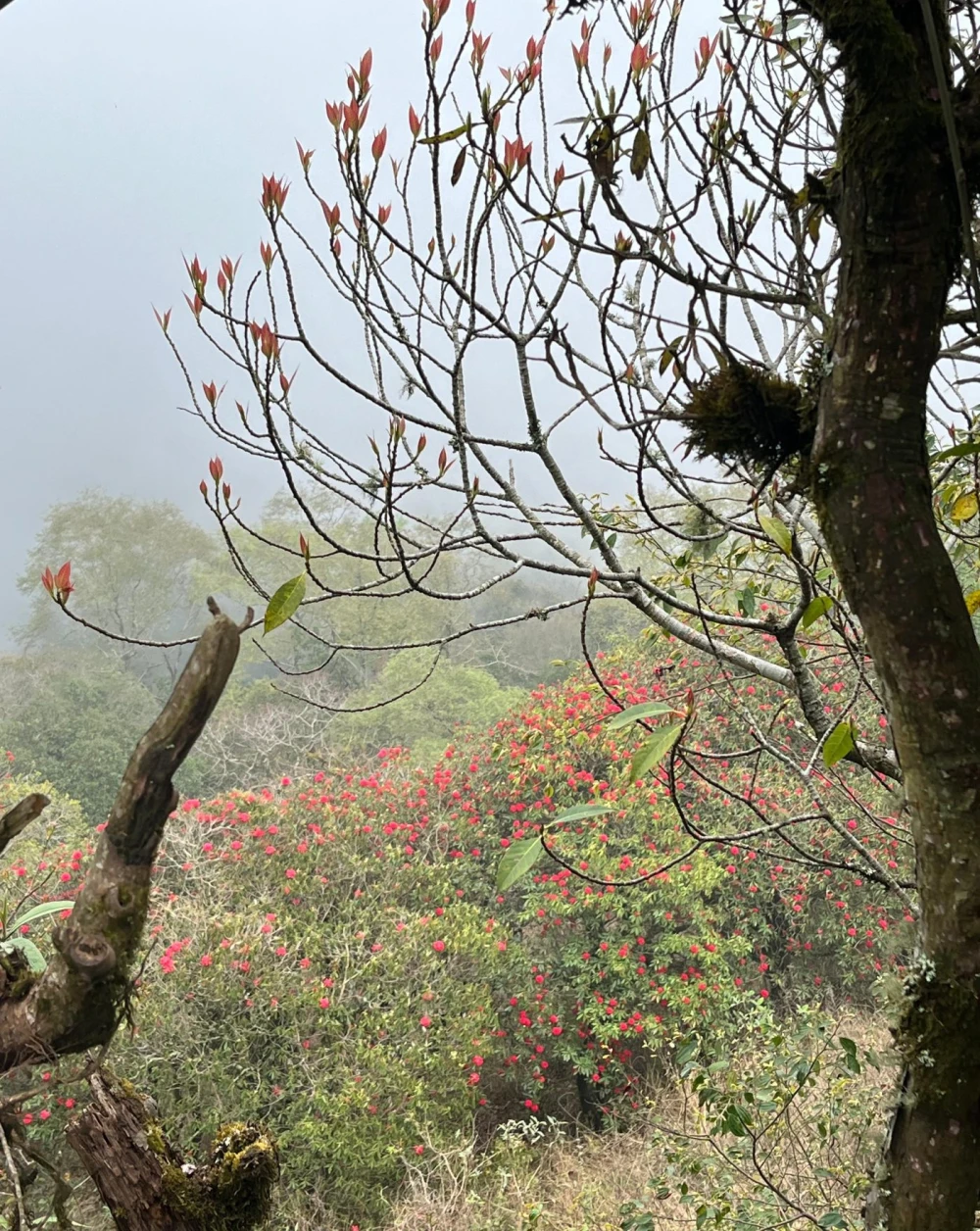
James noted that trekking and photography remain the most suitable activities for visitors, while also pointing out the area’s natural richness.
“Some can even explore medicinal plants and trees. ‘Nkyip’, a type of bamboo, can be found in abundance,” he said.
He also observed that recent improvements such as better road connectivity and steps constructed by nearby villages have made the trek more accessible than before. At the same time, he appreciated the presence of waste management efforts along the route.
“One good thing is that we could see garbage baskets at base camps and along the roadways,” he noted. However, he stressed that further basic infrastructure is needed to support growing visitor numbers and ensure sustainability.
“We need eco-toilets at the viewpoint or base camp, a proper viewpoint at the top, and signages showing distance, altitude and SOS numbers,” he suggested.
James further recommended community-led tourism management to balance development and conservation. “To promote tourism and ensure sustainability, the Village Council can even collect a nominal entry fee of Rs 10. This can go towards trail upkeep, guide wages, and even allow SHGs to run tea and snack stalls,” he said.
Don’t just trek it - Respect it
Another trekker, Zuchobeni Tungoe, described the journey as both physically demanding and deeply rewarding, noting that the experience was marked by steep terrain, scenic beauty, and unexpected visitor flow.
She said the trek took around two hours to reach the peak, with several rest stops along the way due to the steep and challenging nature of the trail. “The trek was quite challenging and steep, and we had to rest multiple times. Some parts of the terrain were slippery, which made the climb more difficult,” she said.
Despite the difficulty, she described the summit experience as memorable and worth the effort. “The view from the top was absolutely breathtaking and made the entire effort worthwhile,” she added.
Zuchobeni also shared her observation about visitor movement on a weekday, noting that the site was still relatively active. “I went on a Monday thinking there wouldn’t be many people, but after we reached the top, five to six groups also arrived,” she said. She also observed steady movement of trekkers along the trail, especially students descending after their climb.
She mentioned that the trek can be accessed from Rachan Colony, describing it as one of the starting points used by local residents.
Beyond her trekking experience, Zuchobeni emphasised Mount Tiyi’s potential as a tourist destination due to its natural beauty and cultural significance. She suggested that involving local residents as tour guides could enhance visitor experience while also creating livelihood opportunities for the community.
“Encouraging local people to work as tour guides would not only improve the experience for tourists but also provide employment and support the local economy,” she noted.
At the same time, she stressed the importance of preserving the cultural and spiritual value of the site, urging responsible tourism practices.
“The site holds deep cultural and spiritual importance. Tourism must respect local beliefs and traditions,” she said, adding that awareness programmes, eco-friendly practices, and careful planning are essential to protect both culture and environment.