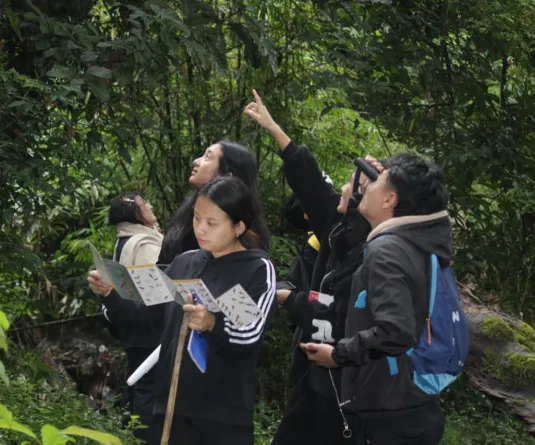
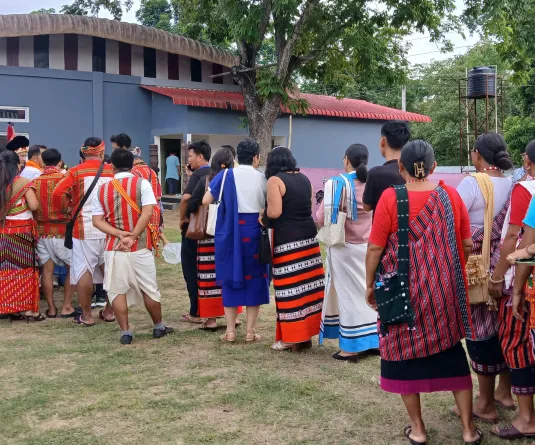
Kapamodzü Peak, the highest table top mountain in Nagaland state under Phek district. (Photo Courtesy: Putusen Kichu)
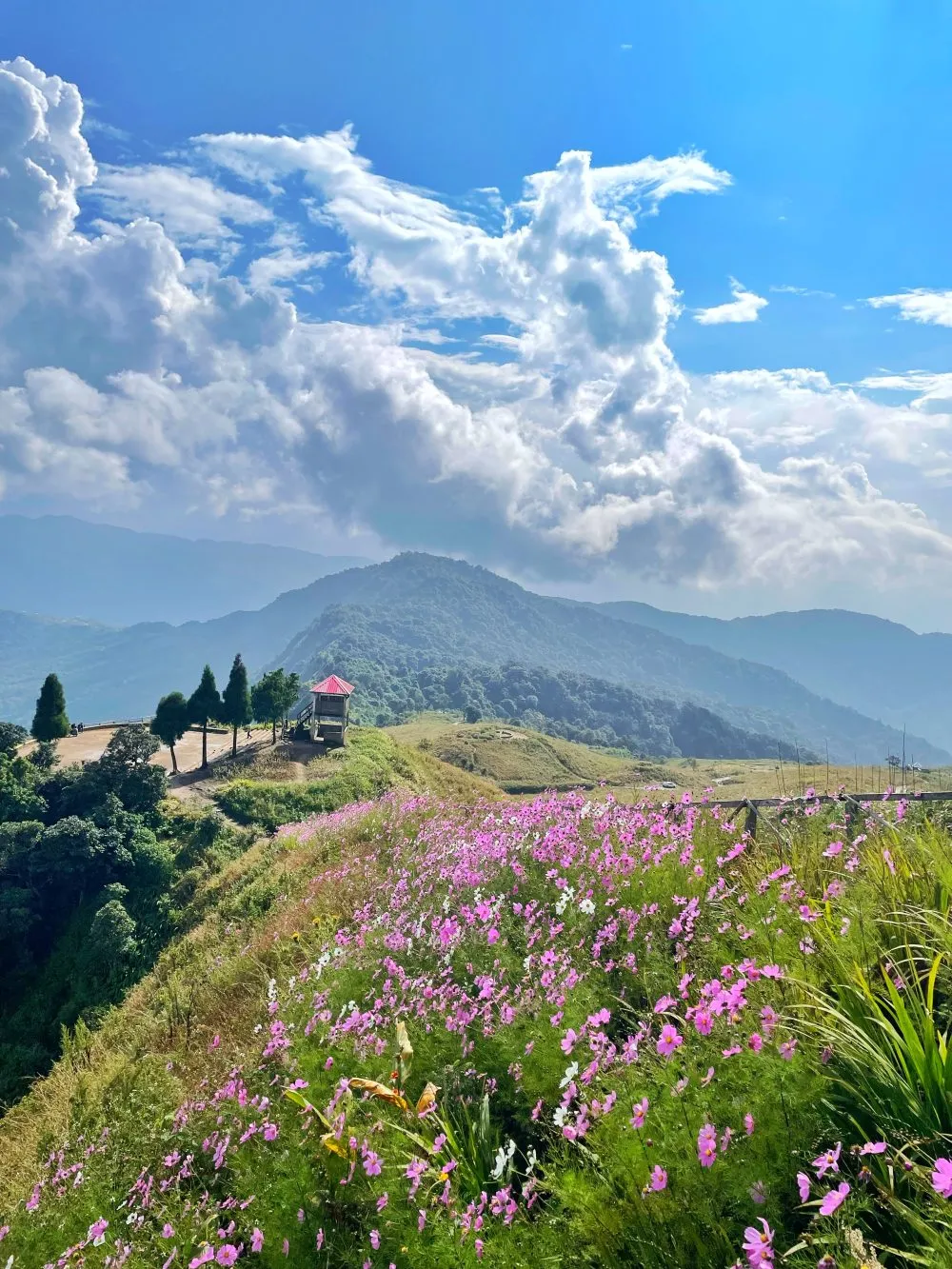
State Tourism Commissioner & Secretary outlines community-centred roadmap
Morung Express News
Dimapur | November 23
Nagaland’s tourism future lies in a “high value, low impact, community-centred model,” said Tourism Commissioner and Secretary Kovi Meyase. He outlined a roadmap prioritising conservation, local livelihoods and cultural preservation over visitor numbers.
Speaking at a two-day international seminar on “Ecotourism, Livelihood and Development in Northeast India” at Nagaland University’s Lumami campus, Meyase said development “must extend beyond increasing visitor numbers” and should improve visitor experiences while strengthening local livelihoods.
The seminar, held November 19–20 and organised by the university’s Sociology and Geography departments, brought together academics, policymakers, tourism practitioners and community representatives to discuss tourism’s impact on livelihoods, culture and the environment.
Nagaland, home to 18 major tribes with distinct customs, festivals and cultural practices tied to the agricultural cycle and natural environment, offers strong potential for sustainable tourism, Meyase said, citing its mountains, valleys, forests and biodiversity. “The success of ecotourism depends on responsible visitor behaviour, effective destination management and the active involvement of local communities,” he said.
The state’s traditional villages, rivers and indigenous culture suit responsible ecotourism, which conserves nature by giving local communities a stake in tourism and encourages visitors to respect the environment, local customs and resource-dependent communities, he said.
Meyase noted that Nagaland Vision 2030 emphasises a sustainable, inclusive and resilient economy—promoting employment, social equity, environmental conservation and responsible use of natural and cultural resources. Sustainable tourism can advance these goals by creating livelihoods while protecting heritage and environment.
Nagaland offers ecotourism, adventure, wildlife, cultural, wellness and agro-tourism, he said. But given the region’s ecological sensitivity, tourism development must be carefully planned to avoid environmental damage and loss of cultural identity.
Destinations and Department Initiatives
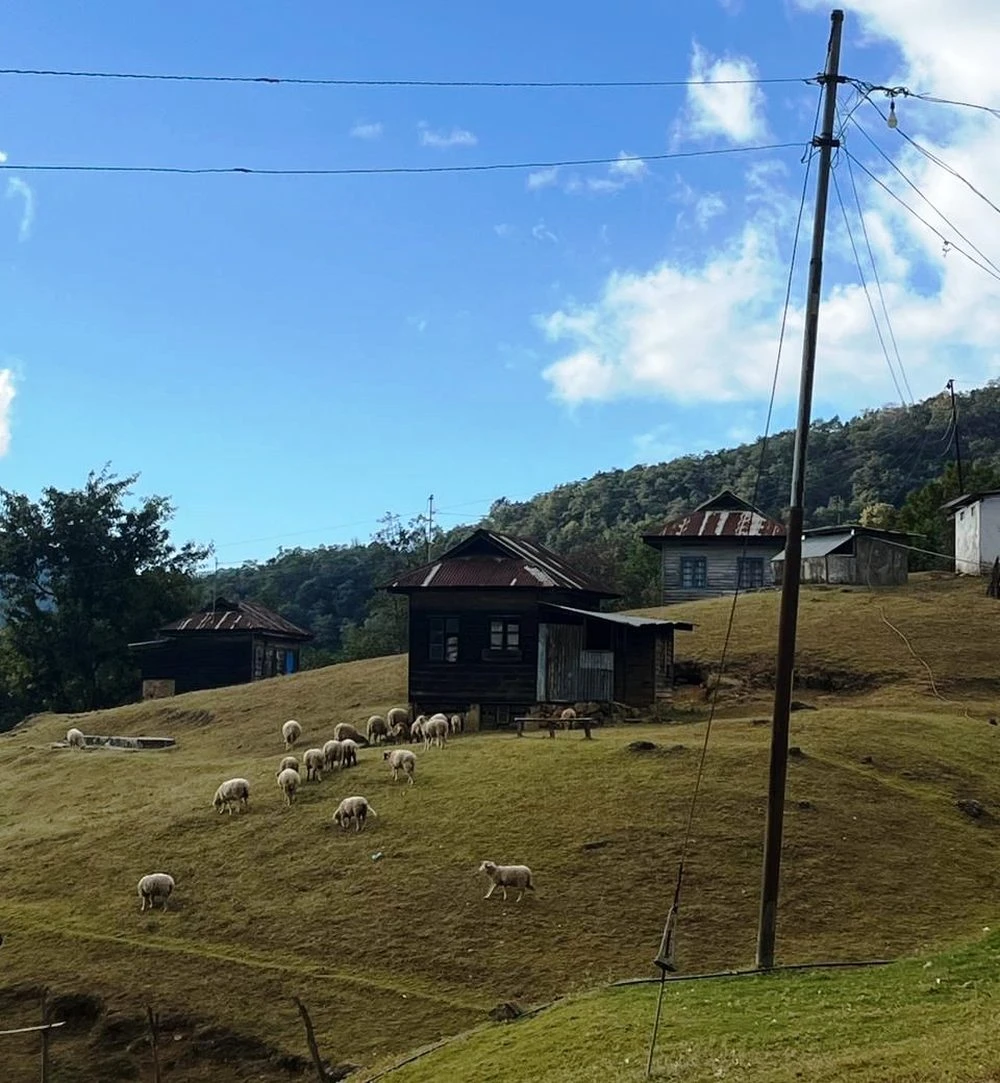
Meyase identified several destinations with potential for nature-based, community-oriented tourism and new biodiversity conservation initiatives, saying they show how tourism can be linked to environmental protection, local participation and sustainable livelihoods.
He said the Department of Tourism has made rural and ecotourism promotion, cleanliness drives, plastic-free zones, tree plantation, biodiversity conservation and village tourism development boards key elements of sustainable tourism.
Ecotourism in Nagaland, he said, can advance five goals: environmental conservation, by protecting forests, biodiversity, water resources and habitats; community development, by creating jobs and business opportunities for locals; cultural preservation, by promoting traditional knowledge, handicrafts, cuisine, festivals and indigenous practices; environmental awareness among visitors and residents; and rural development, by supporting homestays, local guides, agriculture and other village-based enterprises.
Four pillars of sustainability
Meyase outlined four dimensions of sustainable tourism, economic, cultural, social and environmental and said benefits should reach rural households, youth, women, local entrepreneurs and small businesses, not just larger operators.
Economic: He called for collaboration among the tourism department, private operators, tourism organisations, local associations and village tourism development boards to improve services and destination management. He proposed online registration for travel agents, tour operators, homestays and paying-guest units; training for guides, taxi drivers, homestay owners and other providers; capacity-building to help young people start tourism and hospitality businesses; community festivals and local events to attract visitors and generate income; greater involvement of trained local youth in managing tourism facilities to keep income in the state; and revenue-sharing with communities, including entry fees to encourage participation in conservation and destination management.
Cultural: Tourism “should encourage cultural pride and meaningful exchange without reducing traditional practices to mere commercial entertainment,” he said, citing the Hornbill Festival, community-led festivals, traditional arts and crafts and community participation. “Tourism development must respect customary practices, sacred places and the cultural values of local communities.”
Social: This focuses on residents' well-being, inclusion and a meaningful community role in tourism development “especially relevant in rural and tribal areas.” He listed rural homestays, women's empowerment, agro-tourism, capacity building, tourist villages and community consultation.
Environmental: This is essential because tourism depends on healthy ecosystems, attractive landscapes and natural resources. “Tourism activities should therefore be managed in ways that reduce pollution, prevent environmental degradation and protect our biodiversity,” he said.
Environmental Push
Meyase said Nagaland is enforcing plastic-free zones, including at Kisama and the Dzükou Valley, alongside cleanliness and sanitation drives, tree plantation and wildlife and biodiversity conservation. Tourism facilities and conservation-linked destinations are being encouraged to adopt recycling, water conservation and energy-efficient practices.
He identified protecting natural landscapes as a key best practice, noting that the Dzükou Valley needs careful management to prevent damage from unregulated tourism. Visitors should stay on designated trails, avoid littering and refrain from damaging vegetation, with proper waste disposal and responsible trekking essential to protecting fragile landscapes.
Khonoma village, he said, “demonstrates the importance of connecting tourism with community participation and environmental awareness,” and local residents and village institutions should be involved in destination management, conservation and benefit-sharing.
Rural homestays, he said, provide accommodation while letting visitors experience traditional lifestyles, local food and community hospitality, strengthening household incomes, supporting local employment and encouraging cultural exchange. Such efforts highlight the value of linking environmental protection with community awareness and sustainable livelihoods.
Traditional handlooms, handicrafts, woodwork, cuisine, music and dance can be promoted through community-based tourism, he said, noting that supporting local products creates income for artisans and producers while helping preserve cultural identity.
Challenges acknowledged
Meyase conceded several gaps need addressing. Poor roads, limited transport and restricted air connectivity through Dimapur airport make remote destinations hard to reach. He called for improvements in roads, last-mile connectivity, public transport, airport services and basic tourist amenities.
He raised concerns on the Inner Line Permit for domestic tourists and the Protected Area Permit for foreign visitors as procedural hurdles, urging clear online information, efficient application procedures and visitor-friendly permit systems while maintaining necessary safeguards.
Warning that unregulated tourism can commercialise local culture and alter traditional practices, he said festivals, crafts, food and community life “may lose their authenticity if presented solely for commercial purposes.” Tourism planning should respect customary practices, protect sacred and heritage sites, and ensure local communities retain control over preserving their culture.
A shortage of trained guides, hospitality workers, drivers, interpreters, homestay operators and tourism managers is hurting visitor experiences, he said, calling for regular training in hospitality, guiding, language skills, digital marketing, safety, environmental awareness and cultural sensitivity.
Many homestays and community tourism enterprises need better hygiene, sanitation, safety, accommodation standards and service quality, he added. Limited online visibility also makes it hard for visitors to find and book them.
Increased tourist activity, he warned, can strain waste disposal, water resources and fragile ecosystems, especially at popular trekking and nature destinations, requiring better waste segregation, recycling, sanitation, visitor awareness and monitoring.
Effective sustainable tourism, he said, requires coordination among the department, village councils, local communities, private operators, transport agencies and environmental organisations, plus regular monitoring of tourism's environmental, social and economic impacts to keep development responsible and beneficial to local residents.
The Way Forward
Meyase recommended strengthening community ownership by involving local residents in planning, decision-making and benefit-sharing; improving infrastructure - roads, transport, sanitation, waste management and basic tourist amenities without damaging the environment; promoting responsible visitor behaviour by encouraging tourists to respect local customs, avoid littering, conserve water and protect wildlife; developing local skills through continued training for guides, homestay owners, drivers, artisans and tourism entrepreneurs; managing visitor numbers and tourism infrastructure according to each destination’s environmental conditions; encouraging low-impact tourism such as walking trails, nature interpretation, community experiences and environmentally responsible accommodation; and improving monitoring of tourism projects’ environmental, social and economic effects.
He also called for stronger digital promotion to improve the online visibility of local tourism enterprises and provide reliable information about destinations, permits, accommodations and travel facilities, as well as promoting locally produced food, crafts and services so that tourism expenditure benefits the community.
“In conclusion, sustainable tourism in Nagaland should focus not only on increasing tourist arrivals, but also protecting the natural resources, biodiversity and cultural heritage that make the state unique,” Meyase said, adding that tourism development must create meaningful opportunities for local communities by ensuring the environment and traditional ways of life are not compromised.
He said the Nagaland Tourism Policy provides a foundation for this approach through its emphasis on community-centred tourism, ecotourism, green destination development, sustainable infrastructure, cultural preservation and responsible resource management, while existing practices such as rural homestays, community participation, plastic-free zones, biodiversity conservation and local entrepreneurship demonstrate how tourism can contribute to both conservation and development.
“The future of tourism in Nagaland lies in a high-value, low-impact and community-centred model,” he said.
“By improving infrastructure, strengthening local skills, protecting fragile ecosystems and respecting cultural traditions, the state can develop its identity as a tourist destination while safeguarding its natural and cultural wealth for future generations.”