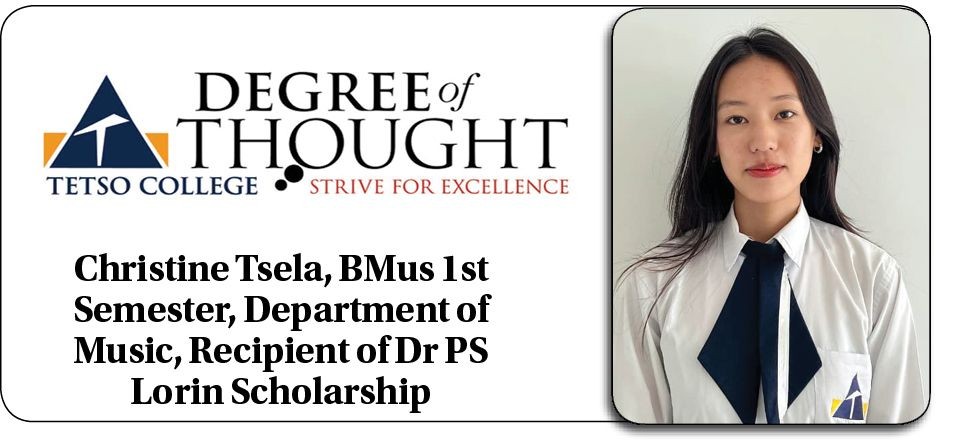
“Where words fail, music speaks”, Hans Christian Andersen
Music is woven into nearly every human experience, whether consciously acknowledged or not. It fills public spaces, in private moments, celebrations, and crises, and from the lullabies to hymns and the powerful swell of an anthem.
Music accompanies people through every stage of life. It possesses the rare ability to move beyond spoken language and slips directly into emotion, memory, and meaning. Because of this unique quality, music functions as far more than entertainment. It becomes a source of connection, a form of healing and a powerful force in shaping identity.
Across cultures and throughout history, music has served as a bridge between people. Shared rhythms and melodies can create a sense of unity even among individuals who have nothing else in common. Group singing, dancing, and even casual listening draw people into collective emotional experiences. In these moments, music becomes a common language, one that communicates feelings without the need for translation. Long before modern communication systems existed, music was used to tell stories, preserve history, and express shared values. Through oral traditions, ceremonial songs, and communal performances, music helped societies maintain continuity and cohesion, proving its enduring role in human connection.
Communities often form around musical styles, traditions, or artists, creating spaces where people feel understood and accepted. Festivals, concerts, religious gatherings and even online fan communities demonstrate how music can bring strangers together under a shared emotional umbrella. In these environments, individuals are not defined by background, status, or language, but by a shared response to sound. It also allows people to create bonds that may form instantly and last for years. Through the collective experience, music fosters a connection that goes beyond words and taps into something deeply human.
Music also plays a significant role in shaping and expressing identity. People are naturally drawn to sounds, lyrics, and stories that reflect who they are or who they aspire to become. Musical preferences often mirror personal values, emotional states, and life experiences. For many, music becomes a way to assert individuality, resist conformity, or navigate complex emotions. Adolescents, in particular, often use music as a means of self-definition, while adults turn to it for reflection and meaning. Cultural music, in particular, helps individuals remain connected to their heritage, reinforcing a sense of roots and continuity in an ever-changing world.
In my own experience, music has always been more than just a sound. It has been a source of healing, a constant companion, and a language I understood even before words fully took place. Growing up surrounded by music, I learned early that it could comfort me in moments of sadness, energise me during times of uncertainty, and provide clarity when emotions felt overwhelming. Music offered a safe space for reflection and expression, allowing me to process feelings that were difficult to articulate.
The influence of music is profound because it engages the mind, body, and emotions simultaneously. Scientifically and emotionally, music can affect mood, memory, and even physical responses. In therapeutic settings, music is often used to help individuals cope with trauma, grief, and emotional distress. Its healing power lies not only in its sound but in its ability to validate emotion, offering comfort without judgment and understanding without explanation.
In the classroom, families, cultural traditions, and private moments of reflection, music quietly shapes human experience. Children learn rhythm, language and coordination through songs, while families bond over shared musical traditions passed down through generations. Societies embed values, beliefs, and history into music, ensuring that meaning survives long after words are forgotten. Even in solitude, music provides companionship, offering comfort in silence and strength in vulnerability. It becomes a mirror through which individuals can better understand themselves and the world around them.
The power of music does not come solely from complexity or technical perfection rather, it lies in the resonance. The flow of a single melody can make someone feel understood, how shared rhythms can bond a crowd, and how a familiar song can guide a person back to themselves. A simple tune can carry immense emotional weight, proving that meaning is not always found in grandeur, but in sincerity. Music’s strength lies in its ability to meet people where they are and move with them through changes.
Music is more than sound; it connects, heals and makes identity audible. It is both universal and deeply personal; it remains one of the most enduring and meaningful forces in human life. No matter the culture, language, or era, music continues to remind humanity of its shared emotion, its resilience, and its capacity for understanding.
Degree of Thought is a weekly community column initiated by Tetso College in partnership with The Morung Express. Degree of Thought will delve into the social, cultural, political and educational issues around us. The views expressed here do not reflect the opinion of the institution. Tetso College is a NAAC Accredited UGC recognised Commerce and Arts College. The editorial team includes Chubamenla, Asst. Professor Dept. of English and Rinsit Sareo, Asst. Manager, IT, Media & Communications. For feedback or comments please email: dot@tetsocollege.org