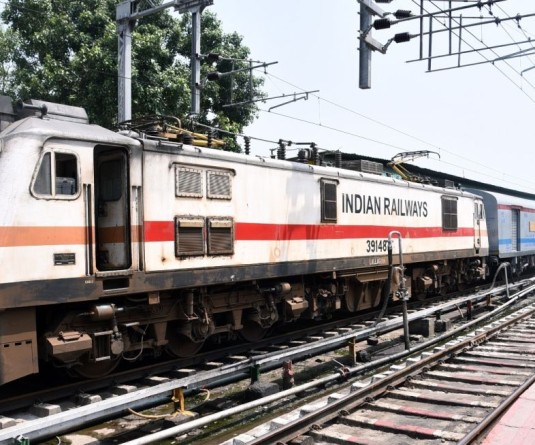
(Photo Courtesy: NFR)
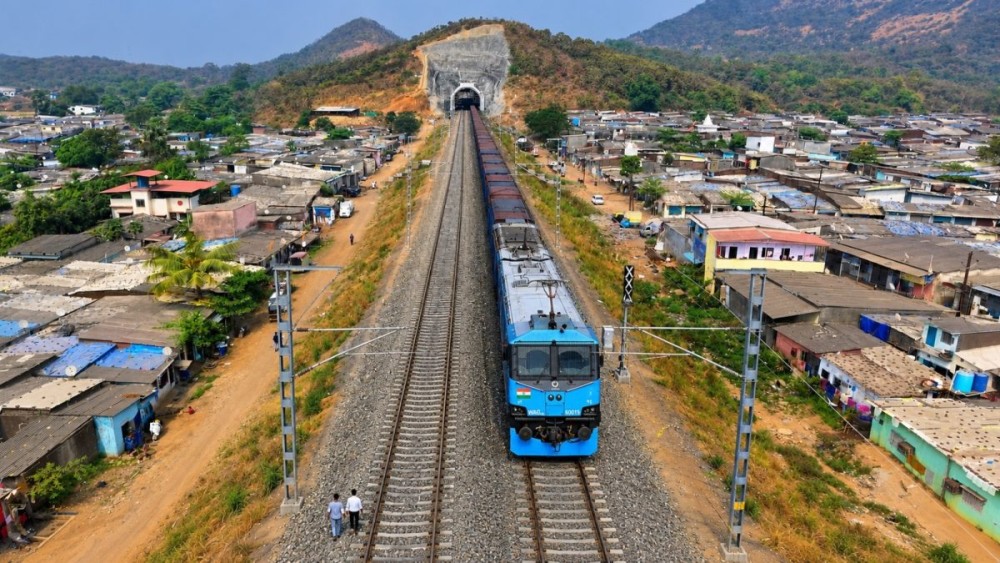
Maligaon, September 7 (MExN): India’s 2,843-kilometre Dedicated Freight Corridor (DFC) network is now handling over 14 per cent of Indian Railways' total freight traffic across roughly 4 per cent of the national rail network, significantly transforming logistics and opening up trade corridors for the Northeast, NFR said on Monday.
Developed by the Dedicated Freight Corridor Corporation of India Limited (DFCCIL), the network comprises the 1,337-km Eastern Dedicated Freight Corridor (EDFC), running from New Sahnewal in Punjab to New Sonnagar in Bihar, and the 1,506-km Western Dedicated Freight Corridor (WDFC), connecting New Dadri in Uttar Pradesh to the Jawaharlal Nehru Port Authority (JNPT) in Maharashtra.
According to the NFR, the entire Western corridor turned fully operational following the commissioning of the approximately 102-km Vaitarna–JNPT section on March 31, 2026, establishing seamless, high-speed rail connectivity to the country's primary western maritime gateway.
According to operational data up to August 31, 2026, the DFC has operated around 5.21 lakh freight train trips, averaging nearly 435 trains per day. The network logged approximately 658 billion Gross Tonne Kilometres (GTKM) and 360 billion Net Tonne Kilometres (NTKM), clocking a 13.74 per cent freight traffic growth during 2025–26.
By segregating heavy freight operations from congested passenger lines, the corridors have freed up capacity on the conventional railway network, ensuring faster transit, improved punctuality, and greater supply-chain reliability.
Officials highlighted that the Eastern DFC, which includes a 99-km alignment in Bihar, plays a vital role in accelerating bulk and containerised cargo movement towards eastern and northeastern India. Its integration with the wider rail network has facilitated the smoother inter-state transit of foodgrains, fertilizers, petroleum products, coal, cement, and automobiles.
For the Northeast Frontier Railway (NFR) zone and northeastern states, the DFC provides local industries, traders, and agricultural producers with direct, predictable access to major manufacturing belts, consumer markets, and seaports. The enhanced transit speeds are slated to especially benefit time-sensitive regional exports, including tea, processed food, and horticultural produce.
The freight network is being augmented by Gati Shakti Cargo Terminals, Multimodal Logistics Facilities, Digital Freight Management Systems, and services like Truck-on-Train and rapid parcel cargo to reduce logistics expenses, road congestion, fuel consumption, and carbon emissions.
Railway authorities noted that this logistics backbone will not only improve regional supply-chain resilience but also stimulate domestic and Foreign Direct Investment (FDI) in regional warehousing and logistics hubs, creating new employment opportunities across the Northeast.