
M Lokeswara Rao IFS (Retd)
Principal Chief Conservator of Forests and Head of Forest Force (Retd)
Nagaland's rich biodiversity, indigenous knowledge, and tribal traditions have given rise to several unique products with Geographical Indication (GI) status. A GI tag protects products whose qualities and reputation are linked to a specific place, while preserving traditional knowledge and cultural heritage.Notable GI products of Nagaland include Naga Mircha (King Chilli), Naga Cucumber, Naga Tree Tomato, and Chakhesang Shawls. These products reflect the state's unique environment, farming practices, and craftsmanship.
GI recognition safeguards authenticity, prevents imitation, enhances market value, and supports local livelihoods. More importantly, it strengthens cultural identity and encourages younger generations to preserve and promote Nagaland's rich heritage. By protecting GI products, Nagaland can ensure sustainable development while celebrating its unique traditions and resources.
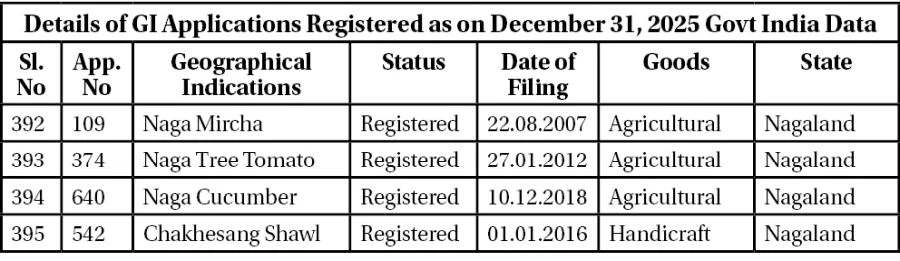
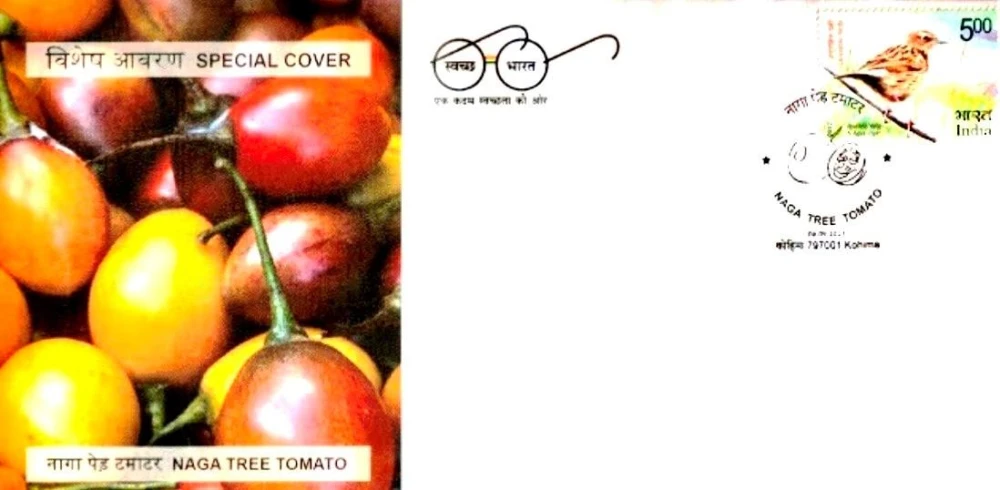
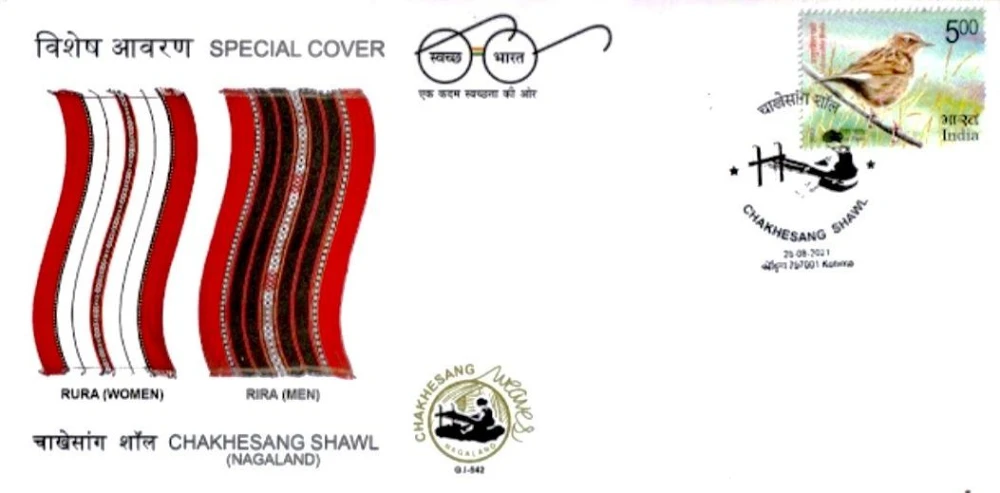
The Department of Posts released special postal covers for Nagaland's Geographical Indication (GI)-tagged products as part of a larger initiative to promote GI products. GI-Tagged Products & Special Cover Releases: Naga Mircha (King Chilli): Released on August 15, 2021. Chakhesang Shawl: Released on August 28, 2021, at the Office of the Postmaster General in Dimapur. Naga Tree Tomato: Released on September 6, 2021. The special cover was also designated for display at the National Philatelic Museum in New Delhi and distribution nationwide and internationally.
Naga Mircha (King Chilli) - The Fiery Pride of Nagaland
Naga Mircha, popularly known as King Chilli, Raja Mircha, or Bhut Jolokia (Ghost Pepper), is a renowned chilli native to Nagaland and was the state's first product to receive a Geographical Indication (GI) tag in 2008. Famous for its extreme pungency of over 1,000,000 Scoville Heat Units (SHU), it features a wrinkled red fruit with a distinctive smoky flavor and fruity aroma.
Scientifically known as Capsicum chinense, Naga Mircha is cultivated across districts such as Kohima, Mokokchung, Peren, and Dimapur using traditional farming methods that help preserve its unique quality and heat.The GI tag protects its authenticity and geographical identity, preventing imitation while enhancing market value and recognition for local farmers. A vital ingredient in Naga cuisine, it is widely used in smoked pork dishes, bamboo shoot preparations, chutneys, pickles, and traditional food preservation.As a high-value cash crop, Naga Mircha supports thousands of farming families and is marketed in various forms, including dried chillies, powders, sauces, pickles, oils, and extracts. Rich in capsaicin, Vitamins A and C, it is also valued for its potential health benefits and traditional medicinal uses. Naga Mircha represents the rich biodiversity, traditional knowledge, and culinary heritage of Nagaland, while the GI tag helps conserve indigenous varieties and traditional cultivation practices.
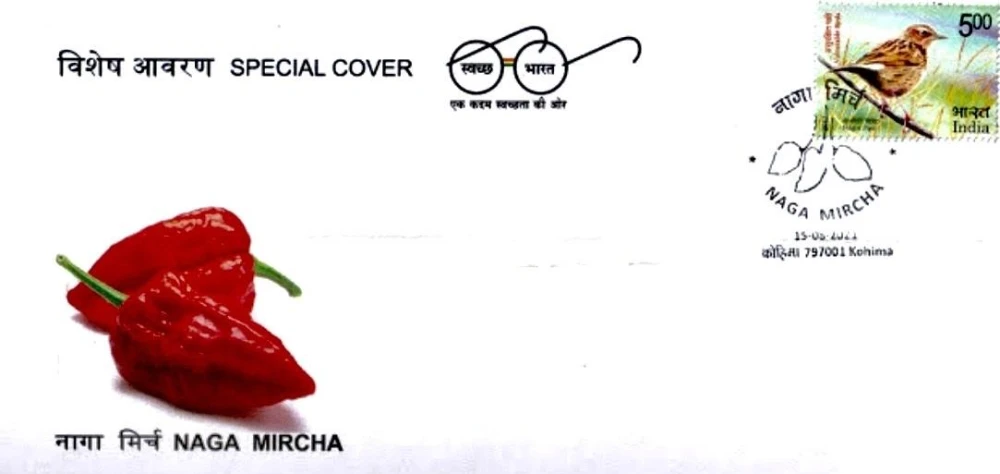
India Post in 2022 issued a special cover depicting Naga Mircha and pictorial cancellation of Naga Mircha. Naga Mircha stands as a symbol of Nagaland's rich biodiversity and agricultural heritage. Its exceptional heat, global recognition, cultural importance, and economic value make it one of the most celebrated GI products of India.
Naga Tree Tomato: The Nutritional Treasure of the Hills: Naga Tree Tomato (Solanum betaceum), locally known as Sei Bangenuo, is a popular fruit crop of Nagaland's hill districts. It is valued for its sweet-tangy flavour, attractive appearance, and high nutritional value. Widely cultivated in Kohima, Phek, Mokokchung, Wokha, and Zunheboto, the fruit is rich in Vitamins A, C, and E, antioxidants, and dietary fibre. It is consumed fresh and processed into juices, jams, jellies, chutneys, pickles, and sauces. Recognizing its unique qualities and geographical origin, Naga Tree Tomato received a Geographical Indication (GI) tag in 2021, protecting its authenticity and traditional cultivation practices. Naga Tree Tomato is an important horticultural crop that supports farmers' livelihoods while showcasing Nagaland's rich agricultural heritage. India Post further celebrated its significance by issuing a special cover in 2021 and a commemorative postage stamp in 2023.
Chakhesang Shawls: A Living Textile Heritage: Chakhesang Shawls are traditional handwoven textiles of the Chakhesang Naga tribe of Nagaland, known for their bold geometric patterns and vibrant colours. Woven by skilled women using traditional looms and natural fibres, the shawls symbolize courage, prosperity, and cultural identity.They are worn during Sukhrunye Festival, weddings and ceremonial occasions, and play an important role in preserving tribal heritage. Recognizing their uniqueness, Chakhesang Shawls received a Geographical Indication (GI) tag in 2017, safeguarding traditional craftsmanship and supporting local artisans. In 2021, India Post issued a special cover featuring the Chakhesang Shawl and a pictorial cancellation depicting a woman weaving a Chakhesang Shawl, highlighting its cultural significance.
Chak-Hao (Black Rice): Chak-Hao (Black Rice) (Shared/jointly listed) is a premium indigenous aromatic rice variety traditionally cultivated in Manipur and parts of Nagaland, particularly the Peren district. Known for its deep purple-black grains, distinctive aroma, and high antioxidant content, it is valued as both a nutritious food and a cultural heritage crop.
Cultivated using traditional, largely organic farming practices, Chak-Hao commands a premium market price despite its relatively low yield. Recognizing its unique qualities and geographical association, it received Geographical Indication (GI) status on 20 April 2020. The GI, registered under Application No. 602, is a shared GI product of Manipur and Nagaland, covering traditional cultivation areas in both states.
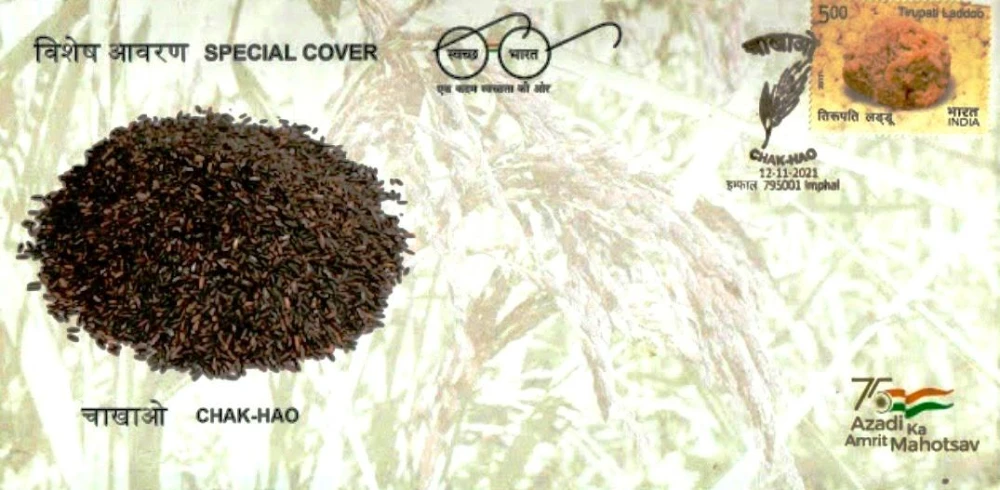
Chak-Hao represents the rich agricultural heritage, biodiversity, and traditional farming knowledge of the region, while providing valuable livelihood opportunities for local farmers.In 2021, India Post released a special cover featuring the Chak-Hao (Black Rice) and a pictorial cancellation depicting Chak-Hao (Black Rice).
Naga Cucumber: A Symbol of Indigenous Agricultural Heritage
Naga Cucumber is an indigenous cucumber variety of Nagaland, renowned for its large size, crisp texture, high water content, and mildly sweet taste. Despite its size, the fruit remains tender and flavourful, making it a popular summer vegetable.Cultivated mainly in traditional and jhum farming systems with minimal external inputs, it is widely consumed fresh, in salads, and as a traditional side dish. The crop provides an important source of income for rural farming communities. Recognizing its unique characteristics and strong link to Nagaland, Naga Cucumber received a Geographical Indication (GI) tag on 14 September 2021. The GI status protects traditional cultivation practices, supports conservation of indigenous varieties, and enhances market opportunities for farmers. Naga Cucumber is a symbol of Nagaland's rich agricultural heritage, biodiversity, and traditional farming knowledge.
Nagaland's GI products demonstrate the remarkable relationship between nature, culture, and traditional knowledge. From the fiery Naga Mircha and refreshing Naga Cucumber to the nutritious Naga Tree Tomato and culturally significant Chakhesang Shawls, these products embody the unique identity of the state and its people.
Potential GI Products of Nagaland
Nagaland possesses a rich diversity of indigenous agricultural products, handloom traditions, and handicrafts that have strong potential for Geographical Indication (GI) recognition due to their uniqueness, traditional knowledge, and cultural significance.
1. Naga Shawls of different tribes: Naga shawls of different tribes are renowned for their intricate designs and symbolic motifs representing valour, status, and tribal heritage. The handcrafted shawls feature distinctive geometric patterns and traditional colour schemes that reflect the tribe's cultural heritage and weaving expertise. Their uniqueness makes them suitable candidates for GI protection.
2. Konyak Wood Carvings: The Konyak tribe is famous for wood carvings depicting human figures, animals, and traditional motifs. These artistic creations embody indigenous craftsmanship and cultural traditions.
3. Naga Bamboo Crafts: Nagaland’s bamboo baskets, mats, containers, and decorative items are produced using traditional techniques passed down through generations. The state's rich bamboo resources contribute to the uniqueness of these products.
4. Naga Smoked Pork: Prepared using traditional smoking methods and indigenous spices, Naga smoked pork is a distinctive culinary product closely associated with Naga cuisine and food culture.
5. Axone (Fermented Soybean): Axone is a traditional fermented soybean product widely used in Naga cuisine. Its unique preparation process and characteristic flavour make it a strong candidate for GI recognition.
6. Anishi: Anishi, prepared from fermented and dried colocasia leaves, is a traditional delicacy of the Ao Nagas. The product is unique to Nagaland and reflects indigenous food preservation techniques.
7. Alder-Based Agroforestry Products: Nagaland's traditional alder (Alnus nepalensis) farming system is internationally recognized for its sustainability. Agricultural products produced under this unique agroforestry system could receive GI recognition.
8. Naga Honey: Honey collected from Nagaland's forests and highland ecosystems possesses distinctive floral characteristics linked to the state's biodiversity and traditional beekeeping practices.
9. Indigenous Rice Varieties: Traditional rice varieties cultivated by Naga communities in terrace and jhum fields’ exhibit unique taste, aroma, and cultural significance, making them potential GI products. 12. Naga Black Sesame: Locally cultivated black sesame is valued for its flavour and oil content and forms an important ingredient in traditional Naga cuisine.
10. Naga Indigenous Chillies: Beyond Naga Mircha, several local chilli varieties cultivated by different tribes possess unique traits and regional identities suitable for future GI registration.
11. Zunheboto Banana: Traditional banana varieties grown in the Zunheboto region are known locally for their taste and adaptability to hill agriculture.
12. Naga Cane Furniture: Handcrafted furniture made from cane and bamboo reflects the state's rich tradition of sustainable craftsmanship and could gain GI protection.
With the successful GI registration of products such as Naga Mircha, Naga Cucumber, and Naga Tree Tomato and culturally significant Chakhesang Shawls, Nagaland has demonstrated the value of protecting its indigenous resources. Traditional textiles, bamboo and cane crafts, fermented foods, honey, rice varieties, and tribal art forms offer excellent opportunities for future GI recognition, preserving cultural heritage while enhancing rural livelihoods and market value.
Geographical Indications offer more than legal protection. They support rural livelihoods, promote sustainable development, preserve indigenous knowledge, and strengthen cultural identity. As awareness and market opportunities continue to expand, GI products can play a transformative role in the economic and cultural development of Nagaland. By embracing both innovation and tradition, the people of Nagaland can ensure that these valuable resources remain a source of pride, prosperity, and heritage for generations to come.